


The Future of Automotive Moulds: Innovations and Trends
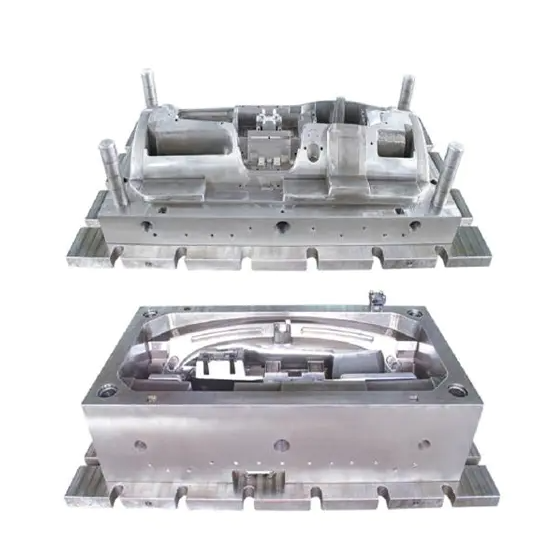
The future of automotive moulds holds significant promise, as advances in technology, materials, and manufacturing techniques continue to shape the automotive industry. As vehicle designs become more complex and the demand for lighter, more fuel-efficient cars grows, automotive moulds will play an even more important role in the production process.
One of the key trends driving the future of automotive moulds is the increasing use of lightweight materials. As manufacturers work to reduce the overall weight of vehicles to improve fuel efficiency and meet stricter environmental regulations, the materials used in automotive moulds are evolving. Lightweight metals, advanced polymers, and composite materials are becoming more common in vehicle production, and moulds are being designed to accommodate these materials. This shift requires innovation in mould design and manufacturing techniques, as lightweight materials often have different properties than traditional metals and plastics.
In addition to material advancements, the integration of automation and artificial intelligence (AI) into the moulding process is expected to transform the way automotive moulds are designed and produced. AI-powered design tools can optimise mould designs by simulating how materials will flow through the mould, reducing the time and cost involved in the prototyping phase. Automated production lines, combined with machine learning algorithms, can improve the efficiency and accuracy of mould production, enabling manufacturers to produce high-quality moulds at a faster pace.
3D printing is another technology that holds potential for the future of automotive moulds. Additive manufacturing techniques allow for the rapid production of mould prototypes and even some final moulds. This technology offers several advantages, including the ability to create complex shapes that would be difficult or costly to achieve with traditional methods. Additionally, 3d printing can reduce lead times and material waste, making the moulding process more sustainable and cost-effective.
The trend toward greater customisation in vehicle production is also impacting the use of automotive moulds. Consumers increasingly expect personalised features in their vehicles, and manufacturers are responding by offering a wider range of options for vehicle parts and accessories. Automotive moulds will need to accommodate these customisations, requiring manufacturers to create moulds that are flexible and adaptable to a variety of designs and configurations.
Finally, the growing emphasis on sustainability is influencing the future of automotive moulds. Manufacturers are looking for ways to reduce their environmental impact, and one area of focus is the use of recyclable materials in mould production. By developing moulds that can be reused or recycled, the automotive industry can reduce waste and contribute to a more sustainable production process.
In conclusion, the future of automotive moulds is closely tied to the evolving needs of the automotive industry. As materials, technologies, and manufacturing processes continue to advance, automotive moulds will play a crucial role in the production of vehicles that are lighter, more efficient, and more customizable. The continued innovation in mould design and production will drive the next generation of vehicle manufacturing, ensuring that automotive companies remain competitive in a rapidly changing market.
Categorieën
- Arts & Entertainment
- Causes
- Crafts
- Dance
- Drinks
- Film
- Health
- Food Trends
- Gaming
- Home & Garden
- Health & Fitness
- Literature
- Music & Concerts
- Networking
- Other
- Party
- Religion
- Shopping
- Sports
- Theater
- Wellness
- Cryptocurrency
- NFT Trends
- Coin update
- Lifestyle
- Business & Finance
- Entrepreneurship
- Marketing Strategies
- Personal Finance
- Investment Tips
- Industry Trends
- Technology
- Gadgets & Reviews
- Software & Apps
- Cybersecurity
- Emerging Technologies
- How-To Guides
- Onderwijs
- Movie & TV Reviews
- Celebrity News
- Book Reviews
- Personal Development
- Motivation & Inspiration
- Life Hacks
- Community & Culture
- Local Events
- Cultural Insights
- Social Issues
- Interviews & Spotlights
- Volunteering & Activism
- Science & Nature
- Animal Behavior
- Beauty Tips
- Fashion Trends
- Product Reviews
- Food & Drink
- Cooking
- Restaurant Reviews
- Travel
- Arts & Crafts
- Photography
- Workout Routines
- Parenting Tips
- News
- Tips & Tricks
- Case Studies
- Product Reviews
- Interviews
- Opinion
- Research & Insights
- Events Coverage
- Personal Stories
- Mededelingen
- Trends & Predictions
- Guest Posts
Read More
As global demand for safe and effective skin whitening solutions grows, Glutathione Injection in Dubai has emerged as a game-changer. Dubai’s advanced dermatology clinics are not only popular for luxury and innovation but also for their cutting-edge approach to aesthetic treatments. By offering clinically proven glutathione therapy, these clinics are redefining how skin...

A Product Launch Press Release is a critical tool in the marketing arsenal of any business looking to introduce a new product to the market. It helps businesses communicate with their target audience, the media, and potential customers about the product, its features, and the value it brings to the marketplace. Whether you are launching a new product, company, or website, a well-crafted Product...

The digital age has transformed how cricket fans enjoy their favorite sport. Thanks to apps like LotusBook, betting enthusiasts can place bets anytime and anywhere without hassle. If you’re looking for the best louts book id to start betting smoothly, then downloading the LotusBook app is your first step. MadrasBook, a leading platform for secure and reliable cricket betting IDs,...

Market Overview: China Dental Service Market size was valued at USD 7.9 Billion in 2024 and the total China Dental Service Market revenue is expected to grow at a CAGR of 15.80 % from 2025 to 2032, reaching nearly USD 22.06 Billion. A detailed analysis of the China Dental Service Market is presented, offering crucial Market intelligence, demand and...

The Multifunctional Beverage Blender Market sector is undergoing rapid transformation, with significant growth and innovations expected by 2029. In-depth market research offers a thorough analysis of market size, share, and emerging trends, providing essential insights into its expansion potential. The report explores market segmentation and definitions, emphasizing key components and...
