


Top Pros and Cons of Diamond Engagement Rings and Moissanite Engagement Rings
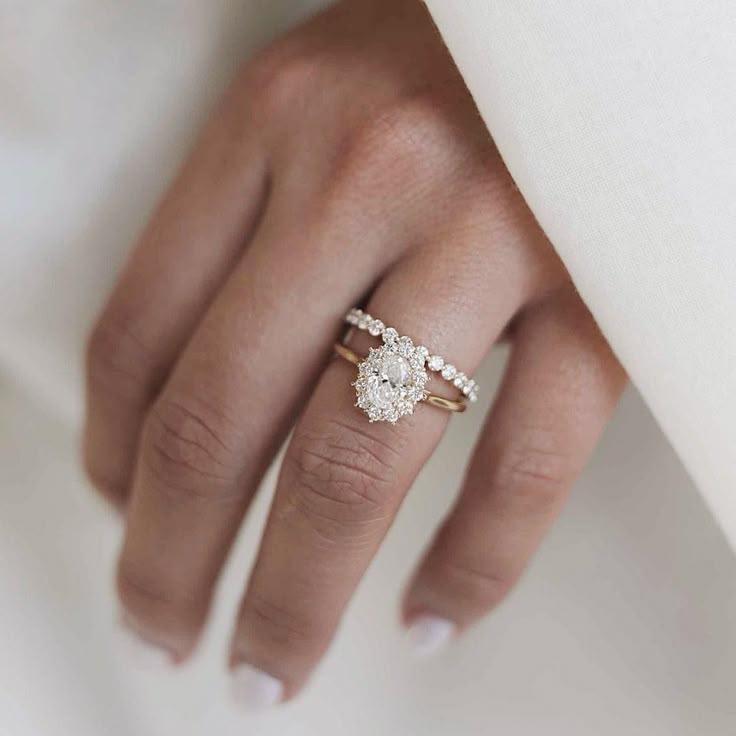
Choosing an engagement ring is a deeply personal decision that involves balancing beauty, value, ethics, and durability. Two of the most popular options available today are Diamond Engagement Rings and Moissanite Engagement Rings. Each gemstone has its own unique benefits and drawbacks. In this guide, we’ll explore the top pros and cons of both diamond and moissanite engagement rings to help you make the right choice for your forever ring.
Diamond Engagement Rings: Pros and Cons
Pros:
-
Timeless Beauty: Diamonds have been the traditional choice for engagement rings for generations. Their classic sparkle and clear brilliance make them a symbol of everlasting love.
-
Durability: Diamonds are the hardest natural material on Earth, scoring a 10 on the Mohs hardness scale. This makes them extremely resistant to scratching, perfect for everyday wear.
-
Resale Value: High-quality diamonds tend to hold some resale value, especially those with excellent cut, clarity, and certification.
-
Prestige and Tradition: Diamond engagement rings are often associated with luxury, status, and cultural significance. Many people see them as the ultimate expression of commitment.
-
Variety of Styles and Settings: Because of their popularity, diamonds are available in a wide range of cuts, settings, and customization options.
Cons:
-
High Cost: Diamonds are significantly more expensive than moissanite, especially for larger carat sizes or premium quality stones.
-
Ethical Concerns: Although many diamonds today are certified as conflict-free, some consumers are still wary of the environmental and social issues related to diamond mining.
-
Requires Care to Maintain Brilliance: While durable, diamonds still need regular cleaning to maintain their sparkle and avoid oil or dirt buildup.
Moissanite Engagement Rings: Pros and Cons
Pros:
-
Exceptional Sparkle: Moissanite has a higher refractive index than diamonds, meaning it delivers more fire and brilliance. It tends to sparkle more intensely, especially in bright lighting.
-
Affordable Price: Moissanite is much more affordable than diamonds, allowing couples to buy larger stones or more elaborate settings without stretching their budget.
-
Ethically Sourced: Moissanite is lab-grown, making it a conflict-free and environmentally responsible choice.
-
Durability: Moissanite is also very hard, ranking 9.25 on the Mohs scale, making it ideal for daily wear.
-
Visually Similar to Diamonds: To the untrained eye, moissanite looks very similar to a diamond, offering a luxurious appearance at a lower cost.
Cons:
-
Different Type of Sparkle: Moissanite’s intense fire can appear rainbow-like, which some may find too flashy or artificial compared to the more subtle brilliance of diamonds.
-
Less Resale Value: Moissanite does not typically hold resale value, which might be a drawback for those who view their ring as an investment.
-
Perceived as a Diamond Alternative: Some may consider moissanite less prestigious due to its lab-created origin and lower price point.
-
Color in Larger Stones: In larger carat sizes, moissanite can sometimes show a faint yellow or gray tint, especially in certain lighting.
Which Should You Choose?
If you're looking for tradition, resale value, and a classic appearance, Diamond Engagement Rings may be the better fit. However, if affordability, ethical sourcing, and maximum sparkle are your priorities, Moissanite Engagement Rings are a fantastic choice.
Ultimately, both options are beautiful, durable, and suitable for celebrating your love. The choice between diamond and moissanite engagement rings comes down to your values, preferences, and lifestyle. Either way, you’ll have a ring that sparkles with meaning and beauty for a lifetime.
Kategorien
- Arts & Entertainment
- Causes
- Crafts
- Dance
- Drinks
- Film
- Health
- Food Trends
- Gaming
- Home & Garden
- Health & Fitness
- Literature
- Music & Concerts
- Networking
- Andere
- Party
- Religion
- Shopping
- Sports
- Theater
- Wellness
- Cryptocurrency
- NFT Trends
- Coin update
- Lifestyle
- Business & Finance
- Entrepreneurship
- Marketing Strategies
- Personal Finance
- Investment Tips
- Industry Trends
- Technology
- Gadgets & Reviews
- Software & Apps
- Cybersecurity
- Emerging Technologies
- How-To Guides
- Ausbildung
- Movie & TV Reviews
- Celebrity News
- Book Reviews
- Personal Development
- Motivation & Inspiration
- Life Hacks
- Community & Culture
- Local Events
- Cultural Insights
- Social Issues
- Interviews & Spotlights
- Volunteering & Activism
- Science & Nature
- Animal Behavior
- Beauty Tips
- Fashion Trends
- Product Reviews
- Food & Drink
- Cooking
- Restaurant Reviews
- Travel
- Arts & Crafts
- Photography
- Workout Routines
- Parenting Tips
- News
- Tips & Tricks
- Case Studies
- Product Reviews
- Interviews
- Opinion
- Research & Insights
- Events Coverage
- Personal Stories
- Ankündigungen
- Trends & Predictions
- Guest Posts
Mehr lesen
In today’s fast-paced world, staying organized is more crucial than ever. Whether you’re a teacher gearing up for a new school year, a busy mom juggling family schedules, or a bride planning the wedding of your dreams, an academic year planner can be a game changer. These planners are crafted to help you keep track of your goals, manage your time effectively, and maintain a sense of...

The Fin Seal Machines Market sector is undergoing rapid transformation, with significant growth and innovations expected by 2029. In-depth market research offers a thorough analysis of market size, share, and emerging trends, providing essential insights into its expansion potential. The report explores market segmentation and definitions, emphasizing key components and growth...

"Digital Genome Market Size And Forecast by 2032 The Digital Genome Market is an evolving industry that holds significant potential across various sectors, driven by advancements in technology, shifting consumer preferences, and growing demand for innovative solutions. With a robust ecosystem of players and a dynamic competitive landscape, the market offers ample opportunities for growth...
Cricket is more than just a sport; it's an emotion, especially for fans in countries like India. The excitement of a live match, the thrill of a last-over chase, or the joy of seeing your favorite team win is unmatched. Now imagine combining that passion with the opportunity to predict the outcomes and make the game even more exciting. This is where an Online Cricket ID comes in! In this...

"Executive Summary Europe Rx Dermatology Topical Drug Delivery Market : The Europe Rx Dermatology Topical Drug Delivery market size was valued at USD 12.47 billion in 2024 and is expected to reach USD 22.59 billion by 2032, at a CAGR of 8.7% during the forecast period Europe Rx Dermatology Topical Drug Delivery Market report has been designed by...