


A Comprehensive and details Guide Types of Fasteners

Fasteners are essential components in construction, manufacturing, and DIY projects. They play a crucial role in holding objects together securely. Whether you're a professional or a hobbyist, understanding the different types of fasteners can help you choose the right one for your needs. In this article, we will explore the various types of fasteners, their uses, and their advantages.
1. Bolts
Bolts are one of the most commonly used fasteners, known for their strong holding capabilities. They typically require a nut to secure them in place. Some common types of bolts include:
Hex Bolts
These bolts have a six-sided head and are widely used in construction and automotive industries.
Carriage Bolts
Featuring a rounded head with a square section beneath, these bolts prevent turning when tightened.
Lag Bolts
Also called lag screws, these are heavy-duty fasteners used for securing wood and other materials.
Eye Bolts
These bolts have a looped head and are often used for lifting and rigging applications.
2. Screws
Screws are versatile fasteners that do not require a nut. They create their own thread when driven into a material.
Wood Screws
Designed for use in wood, they have coarse threads for a secure grip.
Machine Screws
These screws have uniform threads and are used in metalworking and machinery.
Sheet Metal Screws
Made for fastening metal sheets, they often come with self-tapping threads.
Drywall Screws
Used in drywall installation, these screws have sharp tips and fine threads for secure attachment.
3. Nuts
Nuts are used in conjunction with bolts to secure objects together. They come in various shapes and sizes.
Hex Nuts
The most common type, featuring six sides for easy tightening.
Lock Nuts
These nuts have a special design to prevent loosening due to vibration.
Wing Nuts
These nuts have wing-like projections for hand tightening without tools.
Flange Nuts
These have a built-in washer for even distribution of pressure.
4. Washers
Washers are thin plates used to distribute load and prevent damage to surfaces.
Flat Washers
The most basic type, used for general applications.
Lock Washers
Designed to prevent loosening by providing tension.
Fender Washers
Larger in diameter, they distribute load over a wider surface.
5. Rivets
Rivets are permanent fasteners used in construction, aviation, and manufacturing.
Pop Rivets
Also known as blind rivets, these are installed with a special tool and expand to hold materials together.
Solid Rivets
Used in structural applications, they require hammering to form a secure bond.
Tubular Rivets
These have a hollow end and are commonly used in leatherworking and metal fabrication.
6. Anchors
Anchors are used to fasten objects to concrete, brick, or drywall.
Wall Anchors
Used for hanging items on drywall without needing a stud.
Concrete Anchors
Heavy-duty fasteners used for securing structures to concrete.
Toggle Bolts
These expand behind the material for a strong hold, often used in drywall installations.
7. Clips and Clamps
These fasteners are used for securing cables, pipes, and tubing.
Hose Clamps
Used for securing hoses to fittings.
Spring Clips
Provide a flexible yet secure grip on objects.
Cable Clips
Organize and secure electrical cables.
Conclusion
Fasteners come in many shapes and forms, each designed for specific applications. Whether you need to secure metal, wood, or concrete, selecting the right fastener is essential for durability and safety. Understanding these different types can help you make informed decisions in your projects. Next time you're working on a project, consider which type of fastener will provide the best results!
Categorias
- Arts & Entertainment
- Causes
- Crafts
- Dance
- Drinks
- Film
- Health
- Food Trends
- Gaming
- Home & Garden
- Health & Fitness
- Literature
- Music & Concerts
- Networking
- Outro
- Party
- Religion
- Shopping
- Sports
- Theater
- Wellness
- Cryptocurrency
- NFT Trends
- Coin update
- Lifestyle
- Business & Finance
- Entrepreneurship
- Marketing Strategies
- Personal Finance
- Investment Tips
- Industry Trends
- Technology
- Gadgets & Reviews
- Software & Apps
- Cybersecurity
- Emerging Technologies
- How-To Guides
- Educação
- Movie & TV Reviews
- Celebrity News
- Book Reviews
- Personal Development
- Motivation & Inspiration
- Life Hacks
- Community & Culture
- Local Events
- Cultural Insights
- Social Issues
- Interviews & Spotlights
- Volunteering & Activism
- Science & Nature
- Animal Behavior
- Beauty Tips
- Fashion Trends
- Product Reviews
- Food & Drink
- Cooking
- Restaurant Reviews
- Travel
- Arts & Crafts
- Photography
- Workout Routines
- Parenting Tips
- News
- Tips & Tricks
- Case Studies
- Product Reviews
- Interviews
- Opinion
- Research & Insights
- Events Coverage
- Personal Stories
- Avisos
- Trends & Predictions
- Guest Posts
Leia Mais
"Executive Summary Spain Artificial Turf Market Size and Share: Global Industry Snapshot CAGR Value : Data Bridge Market Research analyses that the artificial turf market is expected to reach the value of EUR0 113,099.25 thousand by the year 2029, at a CAGR of 8.4% during the forecast period. Businesses can depend with confidence upon this superior Spain Artificial Turf...

Introduction The BIS Certificate for Beds is a mandatory compliance requirement in India for manufacturers and importers dealing in beds for residential and commercial use. Under the BIS Certificate India system, products that affect public safety must meet Indian Standards before being sold in the market. As per IS 17635:2022 – Beds (Safety Requirements), all beds sold in India must...

Artificial intelligence is evolving at an incredible pace. Models are becoming smarter, faster, and more capable of handling complex tasks across industries. But behind every powerful AI system lies a deeper layer that most people rarely think about — infrastructure. Who owns the compute?Who verifies the work?Who controls the data? Today, the answers to those questions are heavily...

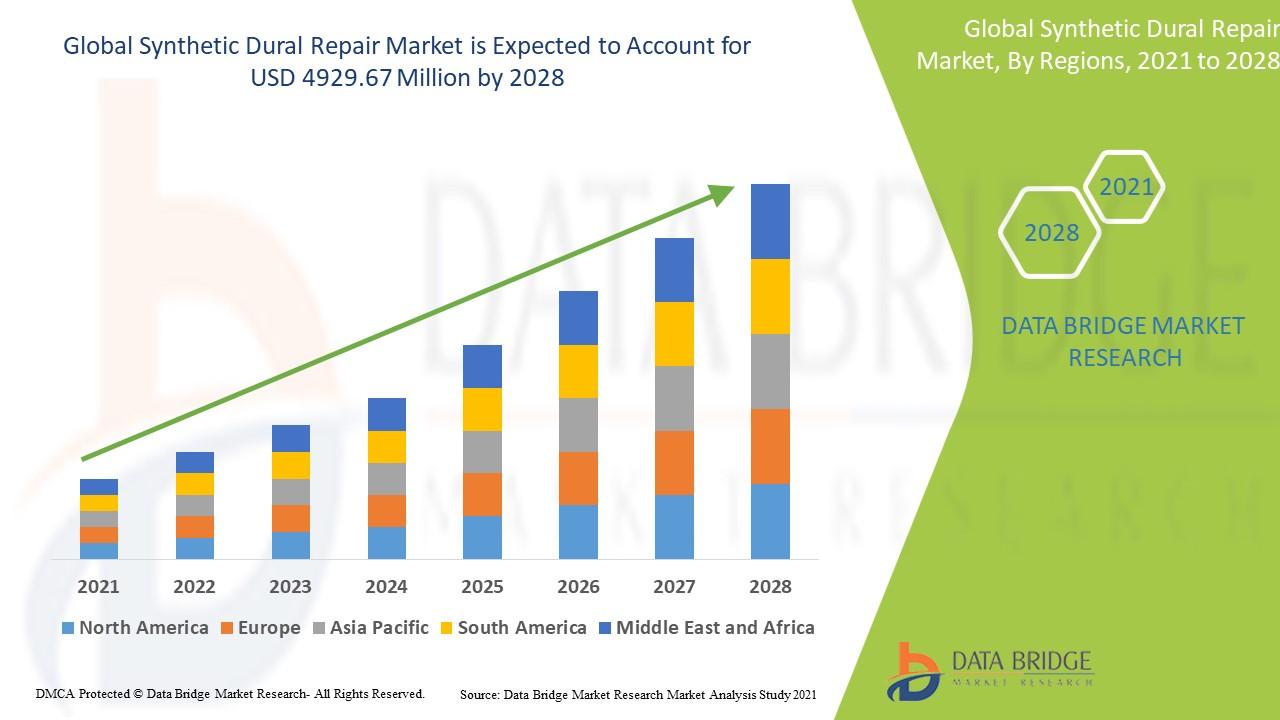
"Executive Summary Synthetic Dural Repair Market Size and Share Across Top Segments The global synthetic dural repair market size was valued at USD 3.94 billion in 2024 and is projected to reach USD 6.17 billion by 2032, with a CAGR of 5.76% during the forecast period of 2025 to 2032. This global Synthetic Dural Repair Market report identifies and analyses the emerging trends...
The consumer preference for sustainable and convenient laundry solutions is reshaping the detergent industry. Traditional liquid and powder detergents often generate excess plastic waste, while laundry detergent sheets provide an environmentally friendly alternative. Compact, easy-to-use, and biodegradable, these sheets appeal to households seeking effective cleaning with minimal environmental...
