


Best Attic Insulation Options to Improve HVAC Efficiency
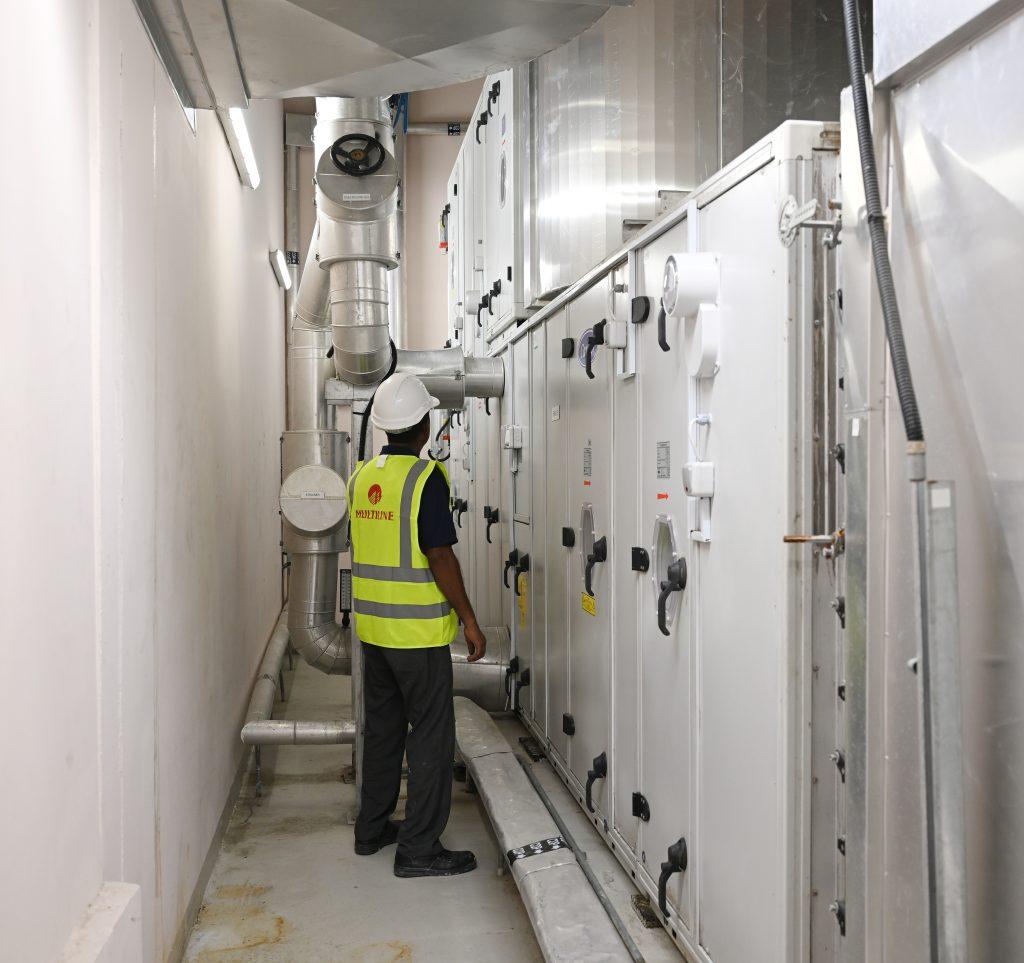
Proper attic insulation is crucial for maintaining indoor comfort, especially in regions with extreme climates like the UAE. Without effective insulation, conditioned air escapes, forcing HVAC systems to work harder and increasing energy bills. A reliable HVAC company in Dubai understands the importance of attic insulation in enhancing energy efficiency, reducing cooling costs, and ensuring a consistent indoor temperature.
This article explores the best attic insulation options, their benefits, and how they contribute to better HVAC performance.
Why Attic Insulation Matters for HVAC Efficiency
Attic insulation acts as a barrier between your indoor living space and the harsh outdoor temperatures. In hot climates like Dubai, it prevents heat from entering the home, reducing the strain on air conditioning systems. Without proper insulation, cool air escapes through the attic, leading to inefficient HVAC performance and higher electricity bills.
By selecting the right insulation material and ensuring proper installation, homeowners and businesses can experience significant energy savings while maintaining a comfortable indoor environment.
Top Attic Insulation Options for Better HVAC Performance
Choosing the right type of insulation depends on factors like budget, climate conditions, and energy efficiency goals. Here are the best attic insulation options to improve HVAC efficiency:
1. Spray Foam Insulation
Overview
Spray foam insulation is a high-performance option that expands upon application, filling gaps and sealing air leaks. It is available in two types: open-cell and closed-cell foam.
Benefits
- Provides superior air sealing, reducing energy loss.
- High R-value (thermal resistance), meaning better insulation performance.
- Helps prevent moisture buildup and mold growth.
- Enhances structural integrity by reinforcing attic surfaces.
Best for:
- Homes and businesses seeking maximum energy efficiency.
- Buildings with irregular attic spaces that need airtight insulation.
2. Fiberglass Batt Insulation
Overview
Pre-cut panels composed of fine glass fibers make up fiberglass batt insulation. It is one of the most common and affordable insulation options.
Benefits
- Easy to install and widely available.
- Provides good thermal resistance when properly fitted.
- Fire-resistant and does not absorb moisture.
- Cost-effective option for budget-conscious homeowners.
Best for:
- Attics with standard joist spacing for easy installation.
- Homeowners looking for an affordable yet efficient insulation solution.
3. Blown-In Fiberglass Insulation
Overview
Blown-in fiberglass insulation involves loose fibers that are sprayed into attic spaces, creating a seamless layer of insulation.
Benefits
- Covers hard-to-reach areas more effectively than batt insulation.
- Offers good thermal performance without major structural changes.
- Resistant to moisture, mold, and pests.
- Lightweight and does not add excessive weight to the attic structure.
Best for:
- Attics with irregular layouts that require flexible insulation coverage.
- Homes undergoing insulation upgrades without removing existing materials.
4. Cellulose Insulation
Overview
Made from recycled paper products treated with fire-resistant chemicals, cellulose insulation is an eco-friendly choice that provides excellent thermal performance.
Benefits
- High density, offering superior thermal insulation compared to fiberglass.
- Good soundproofing capabilities, reducing noise pollution.
- Sustainable and environmentally friendly insulation option.
- Helps reduce air leaks, enhancing HVAC efficiency.
Best for:
- Homeowners looking for an eco-friendly insulation solution.
- Attics that require enhanced soundproofing along with thermal performance.
5. Radiant Barrier Insulation
Overview
Radiant barriers are reflective materials installed on the underside of the attic roof to block heat from entering the space. Unlike traditional insulation, they work by reflecting radiant heat instead of absorbing it.
Benefits
- Ideal for hot climates like Dubai, as it significantly reduces heat gain.
- Lowers attic temperatures, reducing the cooling load on HVAC systems.
- Works well when combined with other insulation types for maximum efficiency.
- Lightweight, space-efficient, and simple to install.
Best for:
- Homes and businesses in extremely hot climates that need additional heat protection.
- Buildings looking to enhance existing insulation for better energy efficiency.
How Attic Insulation Improves HVAC Efficiency
1. Reduces HVAC Load
Proper insulation minimizes heat gain, meaning HVAC systems do not have to work as hard to maintain indoor temperatures. This results in lower energy consumption and reduced wear and tear on HVAC equipment.
2. Lowers Energy Bills
By preventing cool air from escaping and blocking external heat, insulation reduces energy waste, leading to significant cost savings on electricity bills.
3. Enhances Indoor Comfort
Insulation helps maintain a consistent indoor temperature, preventing hot or cold spots throughout the home or office.
4. Extends HVAC System Lifespan
Since insulation reduces the workload on heating and cooling systems, HVAC components experience less strain, resulting in fewer repairs and a longer lifespan.
5. Improves Indoor Air Quality
Well-insulated attics reduce air leaks, preventing dust, allergens, and outdoor pollutants from entering the living space.
Choosing the Right Attic Insulation for Your Needs
When selecting attic insulation, consider:
- Climate: In hot regions like Dubai, radiant barriers and spray foam insulation offer excellent heat resistance.
- Budget: Fiberglass batts are cost-effective, while spray foam provides long-term savings despite higher initial costs.
- Energy Efficiency Goals: Homes aiming for maximum efficiency should opt for high-R-value materials like spray foam or cellulose.
Professional installation ensures optimal insulation performance. Consulting an experienced HVAC company in Dubai can help determine the best insulation type based on your specific needs.
Conclusion
Attic insulation plays a vital role in enhancing HVAC efficiency, reducing energy bills, and maintaining indoor comfort. Choosing the right insulation—whether spray foam, fiberglass, cellulose, or radiant barriers—ensures your HVAC system operates at peak performance while keeping energy costs low.
Investing in proper insulation not only benefits your wallet but also extends the lifespan of your HVAC system, making it a smart and sustainable choice for homes and businesses in the UAE.
Категории
- Arts & Entertainment
- Causes
- Crafts
- Dance
- Drinks
- Film
- Health
- Food Trends
- Gaming
- Home & Garden
- Health & Fitness
- Literature
- Music & Concerts
- Networking
- Другое
- Party
- Religion
- Shopping
- Sports
- Theater
- Wellness
- Cryptocurrency
- NFT Trends
- Coin update
- Lifestyle
- Business & Finance
- Entrepreneurship
- Marketing Strategies
- Personal Finance
- Investment Tips
- Industry Trends
- Technology
- Gadgets & Reviews
- Software & Apps
- Cybersecurity
- Emerging Technologies
- How-To Guides
- Образование
- Movie & TV Reviews
- Celebrity News
- Book Reviews
- Personal Development
- Motivation & Inspiration
- Life Hacks
- Community & Culture
- Local Events
- Cultural Insights
- Social Issues
- Interviews & Spotlights
- Volunteering & Activism
- Science & Nature
- Animal Behavior
- Beauty Tips
- Fashion Trends
- Product Reviews
- Food & Drink
- Cooking
- Restaurant Reviews
- Travel
- Arts & Crafts
- Photography
- Workout Routines
- Parenting Tips
- News
- Tips & Tricks
- Case Studies
- Product Reviews
- Interviews
- Opinion
- Research & Insights
- Events Coverage
- Personal Stories
- Последние новости
- Trends & Predictions
- Guest Posts
Больше
CLICK THIS L!NKK 🔴📱👉 https://iyxwfree.my.id/watch-streaming/?video=karla-telcel-video-viral-de-que-trata-que-le-paso-a-la-edecan 🔴 Visit THIS L!NKK 🔴📱👉 https://iyxwfree.my.id/watch-streaming/?video=karla-telcel-video-viral-de-que-trata-que-le-paso-a-la-edecan 🔴 En las últimas horas, la búsqueda de Karla Telcel y su video viral ha ganado notable popularidad en internet. Este...

"The Hesperedin Market sector is undergoing rapid transformation, with significant growth and innovations expected by 2028. In-depth market research offers a thorough analysis of market size, share, and emerging trends, providing essential insights into its expansion potential. The report explores market segmentation and definitions, emphasizing key components and growth drivers....

The Universal Serial Bus (USB) Charger Market sector is undergoing rapid transformation, with significant growth and innovations expected by 2032. In-depth market research offers a thorough analysis of market size, share, and emerging trends, providing essential insights into its expansion potential. The report explores market segmentation and definitions, emphasizing key components and growth...

Book Ujjain to Nalkheda cab online at best price. CabBazar provides car rental services for all cab types AC, Non AC, Hatchback, SUV, Sedan, Innova and Tempo Traveller. Both One way drop taxi and round trip cab available at lowest price. Price starts Rs. 9/Km.

Latest Insights on Executive Summary North America Automotive Magnet Wire Market Share and Size CAGR Value The North America automotive magnet wire market size was valued at USD 1.21 billion in 2024 and is expected to reach USD 1.67 billion by 2032, at a CAGR of 4.1% during the forecast period This North America Automotive Magnet Wire Market research report is an absolute overview of...