


Best Practices for Building Successful Partnerships with Offshore Development Centers
In 2023, global spending on outsourcing was projected to reach $92.5 billion, with offshore development centers (ODCs) playing a significant role in this growth. According to recent studies, nearly 60% of companies have turned to offshore development to access specialized talent and reduce operational costs. In today's globalized world, businesses are increasingly turning to Offshore Development Centers (ODCs) to leverage cost-effective development solutions, access specialized skills, and scale their operations. These centers, often located in countries with lower labor costs, offer businesses the ability to work with highly skilled teams while significantly reducing overhead. However, while offshore development presents many advantages, successful partnerships with ODCs require careful planning, communication, and management.
What Is an Offshore Development Center?
An Offshore Development Center (ODC) is a dedicated team of software developers, engineers, and technical experts working remotely from a different country. Businesses typically partner with offshore development firms to create software applications, build infrastructure, or manage IT projects without the need for in-house resources. Offshore centers are especially beneficial for companies looking to scale quickly while saving on operational costs.
Benefits of Offshore Development Centers
Before we dive into the best practices, it’s essential to understand the core benefits that make offshore development centers an attractive option for many businesses:
-
Cost Efficiency: Offshore development centers allow companies to access top-tier talent at a fraction of the cost compared to hiring local employees.
-
Access to Specialized Talent: Many offshore locations boast a large pool of specialized technical skills in areas such as software development, cybersecurity, and data analytics.
-
Scalability: Offshore development centers offer businesses the ability to scale their teams quickly and efficiently based on project requirements.
-
Faster Time-to-Market: By working with offshore teams in different time zones, companies can leverage a round-the-clock development cycle.
Also Read: The Role of Data Analytics in Customer Personalization
Key Considerations for Choosing an Offshore Development Center
Choosing the right Offshore Development Center is crucial for the success of your partnership. Here are some key factors to consider:
1. Location and Time Zone Compatibility
Selecting an offshore development center in a region with a suitable time zone is critical for maintaining effective communication. For example, if your business is based in North America, partnering with a development center in Eastern Europe or India might offer a good balance between time zone overlap and cost savings. Ensure that there is enough overlap for real-time collaboration.
2. Technical Expertise
Ensure that the offshore center you choose has the technical skills that align with your business requirements. Look for centers that specialize in the specific technologies, frameworks, and platforms you need. It's important to assess the technical proficiency of the development team through certifications, past project experience, and client references.
3. Cultural Fit
Cultural alignment plays a significant role in the success of an offshore development partnership. Consider language barriers, work culture, and the level of understanding about your industry. A strong cultural fit can help avoid misunderstandings and facilitate smoother collaboration.
4. Legal and Security Considerations
Offshore development often involves sharing sensitive data and intellectual property. Before entering into a partnership, ensure that the offshore development center follows international standards for data protection and security. Implement legal contracts that clearly define confidentiality agreements and intellectual property ownership.
Best Practices for Building Successful Partnerships
Once you've selected the right offshore development center, it’s time to lay the groundwork for a successful partnership. Follow these best practices to ensure the collaboration is effective and productive.
1. Set Clear Expectations from the Start
Clear communication is essential in any partnership. At the beginning of your collaboration, establish specific goals, timelines, deliverables, and performance metrics. Ensure both your internal team and the offshore team are aligned on expectations to avoid confusion down the line. This includes setting up KPIs (Key Performance Indicators) to track the progress and success of the project.
2. Foster Open and Regular Communication
Communication is often cited as one of the biggest challenges when working with offshore teams. Regular communication can help build trust and ensure that any issues are addressed promptly. Utilize tools like Slack, Microsoft Teams, and Zoom to maintain consistent communication. Schedule regular meetings (e.g., weekly check-ins) to discuss project updates, potential roadblocks, and feedback. Make sure that both parties have easy access to communication channels to quickly resolve any issues.
3. Invest in Project Management Tools
Effective project management is key to keeping offshore development projects on track. Use project management tools like Jira, Trello, or Asana to monitor the progress of tasks, allocate resources, and ensure that deadlines are met. These tools help improve transparency and ensure that everyone involved in the project can collaborate and track updates in real time.
4. Focus on Building a Strong Relationship
While offshore development centers can help reduce costs, they should also be viewed as a long-term partner rather than just a resource. Take the time to build a relationship with the offshore team by fostering trust and understanding. Involve the offshore team in brainstorming sessions, feedback loops, and decision-making processes. Treat them as an extension of your internal team to create a more collaborative environment.
5. Define Roles and Responsibilities Clearly
To avoid confusion, ensure that each team member (both internal and offshore) knows their roles and responsibilities. Clearly define who is responsible for what aspects of the project, including decision-making, quality assurance, and project management. This ensures accountability and smooth execution.
6. Address Time Zone Differences Effectively
Time zone differences can be challenging when working with offshore teams. To mitigate this issue, set expectations around working hours and create a flexible communication schedule. Be mindful of the time zones and try to find a balance that works for both teams. For instance, rotating meeting times can help ensure that no team is inconvenienced over time.
7. Implement Robust Quality Control Processes
Quality assurance is essential when working with an offshore development team. Implement regular code reviews, testing, and QA processes to ensure the quality of the deliverables. The offshore team should follow a defined coding standard and deliver high-quality outputs. Consider having an internal team member review the work at various stages of development to ensure it meets your quality standards.
8. Provide Feedback and Recognition
Feedback is crucial for continuous improvement. Provide constructive feedback to the offshore team regularly, recognizing their successes and suggesting areas for improvement. Positive reinforcement can motivate the team to perform better and build a stronger relationship.
9. Establish a Clear Escalation Process
In any partnership, conflicts or issues may arise. It’s important to have a clearly defined escalation process in place. Establish guidelines on how to address problems, who to contact for specific issues, and how to handle conflicts. This ensures that issues are resolved quickly and efficiently, without disrupting the workflow.
10. Monitor and Adapt the Partnership Regularly
Lastly, it’s important to regularly evaluate the effectiveness of your partnership with the offshore development center. Assess the progress of the project, measure performance against KPIs, and adapt strategies as necessary. This allows you to address any problems early and make improvements for future projects.
Conclusion
Building a successful partnership with an Offshore Development Center requires careful planning, communication, and mutual understanding. By choosing the right partner, setting clear expectations, fostering open communication, and maintaining a strong relationship, businesses can ensure that their offshore projects are successful and cost-effective. Remember that an offshore development center is not just an external vendor but a long-term partner that can help you scale your business and achieve your technical goals.
Categorie
- Arts & Entertainment
- Causes
- Crafts
- Dance
- Drinks
- Film
- Health
- Food Trends
- Gaming
- Home & Garden
- Health & Fitness
- Literature
- Music & Concerts
- Networking
- Altre informazioni
- Party
- Religion
- Shopping
- Sports
- Theater
- Wellness
- Cryptocurrency
- NFT Trends
- Coin update
- Lifestyle
- Business & Finance
- Entrepreneurship
- Marketing Strategies
- Personal Finance
- Investment Tips
- Industry Trends
- Technology
- Gadgets & Reviews
- Software & Apps
- Cybersecurity
- Emerging Technologies
- How-To Guides
- Formazione
- Movie & TV Reviews
- Celebrity News
- Book Reviews
- Personal Development
- Motivation & Inspiration
- Life Hacks
- Community & Culture
- Local Events
- Cultural Insights
- Social Issues
- Interviews & Spotlights
- Volunteering & Activism
- Science & Nature
- Animal Behavior
- Beauty Tips
- Fashion Trends
- Product Reviews
- Food & Drink
- Cooking
- Restaurant Reviews
- Travel
- Arts & Crafts
- Photography
- Workout Routines
- Parenting Tips
- News
- Tips & Tricks
- Case Studies
- Product Reviews
- Interviews
- Opinion
- Research & Insights
- Events Coverage
- Personal Stories
- Annunci
- Trends & Predictions
- Guest Posts
Leggi tutto
Many players wonder if playing roulette online free can actually improve their winning chances, and the answer is yes. Free roulette games provide an opportunity to practice strategic betting, analyze outcomes, and refine approaches without the pressure of losing money. Over time, this practice helps players develop a stronger understanding of probability and risk management, essential skills...

Cricket fans worldwide have been waiting for the Cricket World Cup 2023, where top teams clash, bringing exhilarating matches and unforgettable moments. As you prepare for the event, Level777 is here to enhance your cricket experience. From team insights to live updates, discover how you can immerse yourself in every six, every wicket, and every nail-biting finish. What to Expect from the...

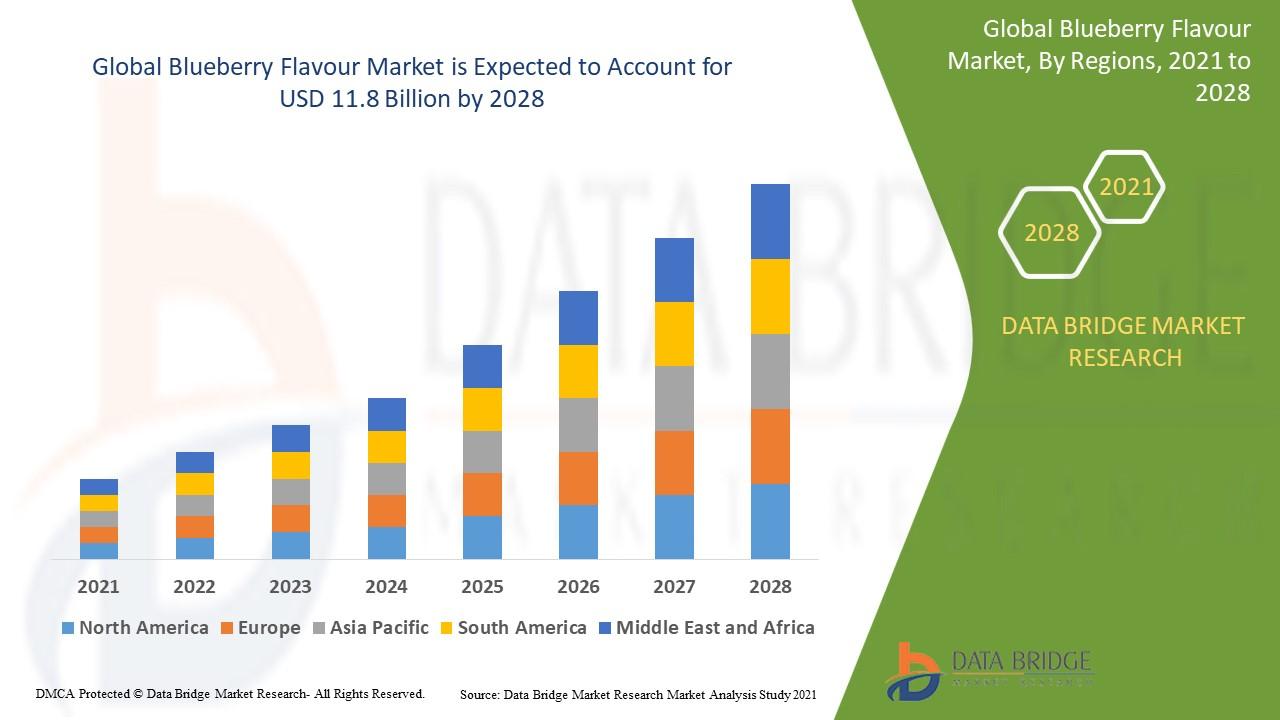
The Blueberry Flavour Market sector is undergoing rapid transformation, with significant growth and innovations expected by 2028. In-depth market research offers a thorough analysis of market size, share, and emerging trends, providing essential insights into its expansion potential. The report explores market segmentation and definitions, emphasizing key components and growth...
IMARC Group’s “Radial Tyre Manufacturing Plant Project Report 2025: Industry Trends, Plant Setup, Machinery, Raw Materials, Investment Opportunities, Cost and Revenue” report provides a comprehensive guide on how to successfully set up a radial tyre manufacturing plant. The report offers clarifications on various aspects, such as unit operations, raw material requirements,...

Introduction The medical equipment maintenance market covers all activities related to inspecting, repairing, and servicing medical devices to ensure their safe and efficient operation. This market plays a vital role in modern healthcare. Hospitals, clinics, laboratories, and diagnostic centers rely on well-maintained equipment to deliver accurate and timely patient care. Over the...
