


What Is Mounjaro and How Does It Differ From Other Options?
As the field of medical weight management evolves, new treatments continue to emerge in New Zealand, offering more options for those managing obesity or type 2 diabetes. Mounjaro (tirzepatide) is one of the latest medications to receive Medsafe approval. While it shares some similarities with previous treatments, its unique chemical makeup sets it apart in terms of how it interacts with the body’s metabolic systems.
A Dual-Action Approach
The primary difference between Mounjaro and other common weight management injections, such as Wegovy, lies in the number of hormones they mimic. Most earlier treatments are GLP-1 (glucagon-like peptide-1) receptor agonists. They work by mimicking a single hormone that regulates appetite and blood sugar.
mounjaro, however, is a dual agonist. It mimics both GLP-1 and a second hormone called GIP (glucose-dependent insulinotropic polypeptide). This "twincretin" approach means the medication targets two different pathways in the body simultaneously. While the GLP-1 component focuses heavily on appetite suppression and slowing digestion, the GIP component is thought to further enhance how the body breaks down sugar and fat, potentially offering a more robust metabolic effect.
Comparing Effectiveness
Because it targets two hormonal pathways rather than one, clinical trials have shown that Mounjaro often leads to a higher percentage of total body weight loss compared to single-hormone treatments. In large-scale studies, participants on the highest doses of tirzepatide achieved significant weight reduction, often exceeding the averages seen with previous generations of medication.
However, "more" does not always mean "better" for every individual. The choice between a single-action or dual-action treatment depends on a patient’s specific health profile, their history with other medications, and how their body tolerates the treatment.
Dosage and Administration
Like other medications in its class, Mounjaro is administered via a once-weekly subcutaneous injection. The dosage starts low—typically at 2.5 mg—and is gradually increased every four weeks. This titration process is essential for allowing the digestive system to adapt to the dual hormonal changes.
While some other treatments have a set maintenance dose, Mounjaro offers several maintenance levels (5 mg, 10 mg, or 15 mg). This allows New Zealand clinicians to tailor the dosage more precisely to the patient’s results and side-effect tolerance.
Availability in the New Zealand Context
While Medsafe has approved Mounjaro for both type 2 diabetes and chronic weight management, it is important to note its current status in NZ. As of early 2026, it is available via private prescription but is not funded by Pharmac. This means patients are responsible for the cost, which can vary depending on the dosage required.
When comparing Mounjaro to other options, many Kiwis consider not just the potential for weight loss, but also the cost, the weekly routine, and the level of clinical support provided by their healthcare provider. It represents a significant step forward in metabolic medicine, providing a powerful alternative for those who may need a different approach to achieving their health goals.
Kategorien
- Arts & Entertainment
- Causes
- Crafts
- Dance
- Drinks
- Film
- Health
- Food Trends
- Gaming
- Home & Garden
- Health & Fitness
- Literature
- Music & Concerts
- Networking
- Andere
- Party
- Religion
- Shopping
- Sports
- Theater
- Wellness
- Cryptocurrency
- NFT Trends
- Coin update
- Lifestyle
- Business & Finance
- Entrepreneurship
- Marketing Strategies
- Personal Finance
- Investment Tips
- Industry Trends
- Technology
- Gadgets & Reviews
- Software & Apps
- Cybersecurity
- Emerging Technologies
- How-To Guides
- Ausbildung
- Movie & TV Reviews
- Celebrity News
- Book Reviews
- Personal Development
- Motivation & Inspiration
- Life Hacks
- Community & Culture
- Local Events
- Cultural Insights
- Social Issues
- Interviews & Spotlights
- Volunteering & Activism
- Science & Nature
- Animal Behavior
- Beauty Tips
- Fashion Trends
- Product Reviews
- Food & Drink
- Cooking
- Restaurant Reviews
- Travel
- Arts & Crafts
- Photography
- Workout Routines
- Parenting Tips
- News
- Tips & Tricks
- Case Studies
- Product Reviews
- Interviews
- Opinion
- Research & Insights
- Events Coverage
- Personal Stories
- Ankündigungen
- Trends & Predictions
- Guest Posts
Mehr lesen
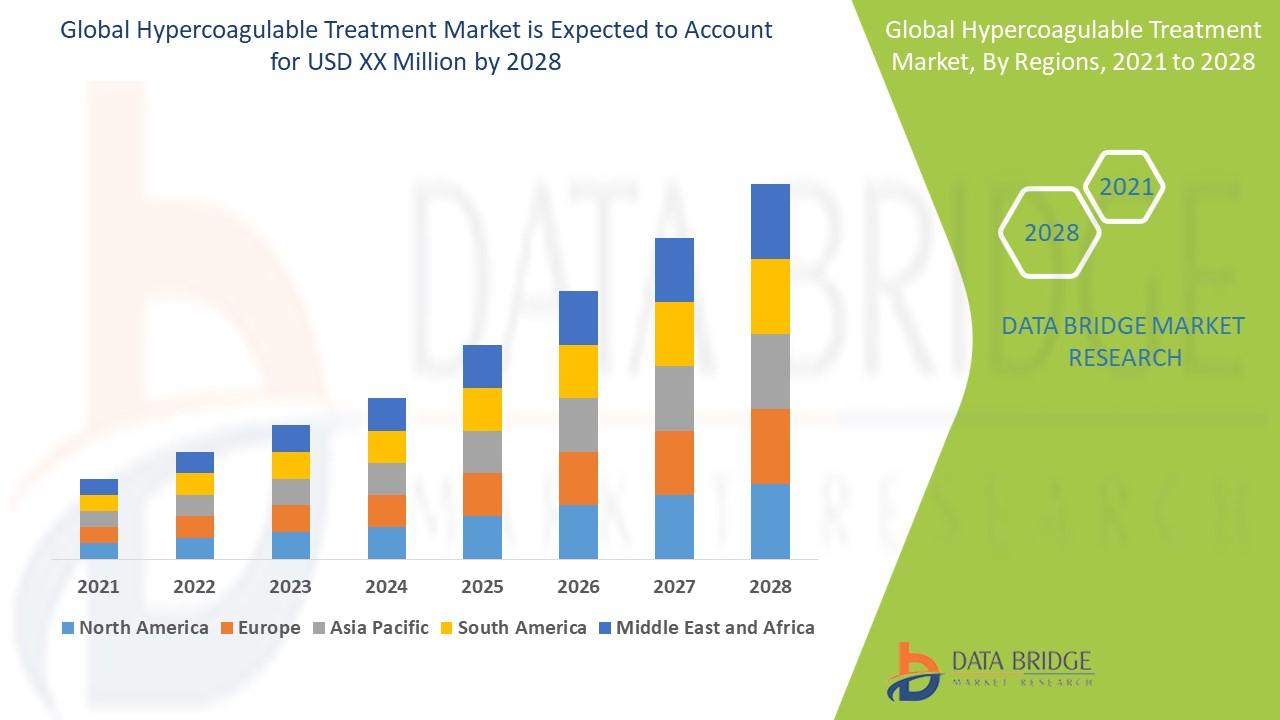
"Hypercoagulable Treatment Market Size And Forecast by 2031 Key leaders in the Hypercoagulable Treatment Market are adopting innovative strategies to capture a significant industry share. Revenue analysis highlights their pivotal role in shaping market dynamics and sustaining growth. Graphs and data visuals in research reports provide a comprehensive view of market performance,...
CLICK THIS L!NKK 🔴📱👉 https://iyxwfree.my.id/watch-streaming/?video=xxx-sex-videos-asian-teen-school-girl-sex-video-porn-videos-sexy-xvideo-bf-xxxx-xxx-sex-xvideo 🔴 Visit THIS L!NKK 🔴📱👉 https://iyxwfree.my.id/watch-streaming/?video=xxx-sex-videos-asian-teen-school-girl-sex-video-porn-videos-sexy-xvideo-bf-xxxx-xxx-sex-xvideo 🔴 American Teen School Girl Sex Video Porn Videos sexy Xvideo bf xxxx...

Negli ultimi anni, i nuovi siti casinò italiani hanno iniziato a integrare la gamification nelle loro piattaforme, un concetto che trasforma l'esperienza di gioco in un'avventura coinvolgente, con obiettivi, premi e sfide simili a quelli dei videogiochi. Ma cos'è esattamente la gamification e come sta cambiando il panorama dei casinò online? Cos'è la...

The Peripheral Vascular Thrombectomy Devices Market sector is undergoing rapid transformation, with significant growth and innovations expected by 2028. In-depth market research offers a thorough analysis of market size, share, and emerging trends, providing essential insights into its expansion potential. The report explores market segmentation and definitions, emphasizing key...
Busbar in EVSE Market, By Conductor (Aluminium, Copper and Others), Power Rating (Low Power, Medium Power (125A-800A), High Power (Above 800A)), Product Type (Laminate Busbar in EVSE/ Composite Busbar, Flexible Busbar, Multiple Conductor Busbar, Single Conductor Busbar), Plating (Tin, Nickel, Silver), Insulation (Epoxy Powder Coating, PET, PA12, PVC And PE), Length (2 M To 3 M, 1 M To 2 M, Less...