


Preauricular Tag Removal in Riyadh: Procedure and Expectations
Preauricular Tag Removal in Riyadh: Procedure and Expectations
For many individuals living in the capital, cosmetic and functional dermatological concerns are often addressed with precision and advanced medical technology. Preauricular Tag Removal in Riyadh has become a highly sought-after minor surgical procedure for those looking to eliminate small, skin-colored growths that appear just in front of the ear. These tags, often present from birth, are generally benign but can cause self-consciousness or physical irritation when they catch on clothing or jewelry. Choosing to undergo this procedure in a leading medical hub like Riyadh ensures access to sterile environments, expert techniques, and a standard of care that prioritizes both aesthetic outcomes and patient comfort.
Understanding Preauricular Tags
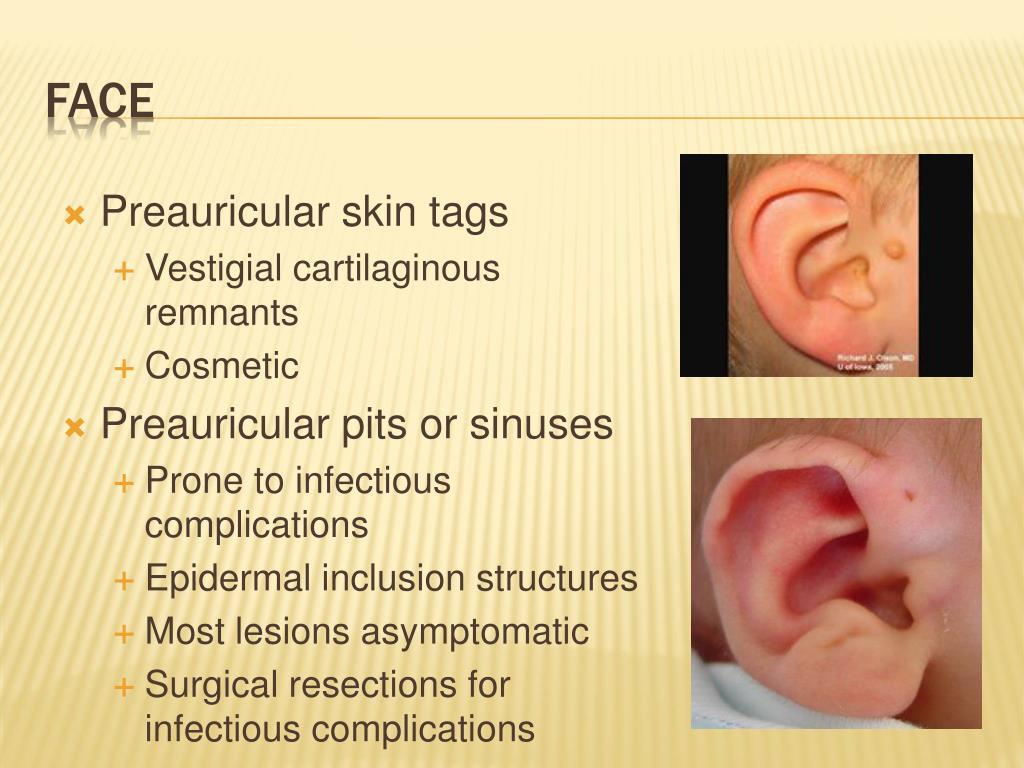
A preauricular tag, also known as an accessory auricle or branchial cleft remnant, is a small nodule consisting of skin, fat, or even a tiny core of cartilage. They are typically located along the line between the top of the ear and the corner of the mouth, usually positioned right in front of the tragus. While they are overwhelmingly harmless and do not usually indicate an underlying health issue, many adults choose to have them removed for purely cosmetic reasons to achieve a smoother facial profile.
In some cases, parents in Riyadh seek removal for their children to prevent any potential social discomfort as they grow. Regardless of the age of the patient, the fundamental goal remains the same: a safe, quick, and scar-minimized extraction of the extra tissue.
The Consultation Process
Before the procedure begins, a thorough consultation is essential. During this stage, the specialist examines the tag to determine its composition. Since some tags contain a cartilaginous base that extends deeper than a standard skin tag, a physical assessment helps in planning the exact depth of the excision.
Patients are encouraged to discuss their medical history and any medications they are currently taking. The specialist will explain the technique best suited for the specific size and location of the tag, ensuring the patient understands the balance between complete removal and the preservation of the natural contours of the ear.
The Procedure: Step-by-Step
The removal process is typically performed as an outpatient procedure, meaning patients can return home the same day. The complexity of the removal depends largely on whether the tag is purely skin-based or contains a stalk of cartilage.
1. Preparation and Anesthesia
The area around the ear is meticulously cleaned with an antiseptic solution to prevent infection. For most adults and older children, a local anesthetic is injected at the base of the tag. This numbs the area completely within minutes, ensuring that the patient feels no pain during the actual removal, though a slight pressure might be felt.
2. The Excision Technique
There are several methods used depending on the tag's structure:
-
Surgical Excision: This is the most common method for tags with a cartilage core. Using a fine scalpel, the surgeon carefully removes the tag at its base. This method is preferred because it ensures the entire "root" is removed, preventing the tag from regrowing.
-
Shave Excision: For very small, superficial tags that are primarily skin, a shave technique may be used to level the growth with the surrounding skin.
-
Electrosurgery or Laser: In some modern clinics, specialized tools are used to "seal" the tissue as it is cut, which minimizes bleeding and can sometimes result in faster initial healing.
3. Closing the Site
Once the tag is removed, the specialist will close the small incision. If the tag was small, a simple adhesive strip or a single fine stitch might be sufficient. For larger tags, dissolvable or traditional sutures are used to bring the skin edges together cleanly. The goal is to align the skin perfectly so that the eventual scar mimics a natural skin fold in front of the ear.
Recovery and Aftercare Expectations
One of the primary reasons for the popularity of this procedure is the minimal downtime involved. Most patients find that they can resume their normal daily activities almost immediately, provided they follow basic hygiene protocols.
-
The First 24–48 Hours: It is normal to experience slight redness or mild swelling around the site. Over-the-counter pain relief is usually more than enough to manage any minor discomfort. The area should be kept dry for the first day.
-
Wound Care: Patients are usually advised to apply a thin layer of antibiotic ointment to keep the area hydrated and protected from bacteria.
-
Suture Removal: If non-dissolvable stitches were used, they are typically removed within 5 to 7 days. This is a quick and painless process.
-
Scar Management: Initially, the site may appear as a small pink line. Over the following weeks and months, this fades significantly. Using sun protection is vital during this stage, as UV exposure can cause the scar to darken.
Long-term Results
The results of a preauricular tag removal are permanent. Once the tissue and its underlying stalk are removed, the growth does not return. Patients often report a significant boost in confidence, especially those who previously felt the need to hide the area with their hair. The ear's appearance remains natural, and the tiny scar typically becomes nearly invisible over time, blending into the preauricular crease.
Why Riyadh is a Preferred Location for Treatment
Riyadh has established itself as a premier destination for specialized dermatological and cosmetic procedures. The city’s medical infrastructure is characterized by high-tech facilities and a commitment to international safety protocols. Choosing a facility in this region means benefiting from:
-
Precision and Expertise: Specialists are well-versed in facial anatomy, ensuring that the delicate area around the ear is handled with care.
-
Advanced Equipment: Access to the latest surgical and laser technologies allows for more efficient procedures and better aesthetic results.
-
Cultural Understanding: Local clinics provide a professional environment that respects patient privacy and provides clear, detailed communication throughout the process.
Possible Risks and Considerations
While the procedure is considered very safe, as with any minor surgery, there are minor risks to be aware of:
-
Infection: Extremely rare if aftercare instructions are followed.
-
Minor Bleeding: Usually controlled easily during the procedure.
-
Scarring: While specialists aim for a "scarless" look, individuals heal differently. Proper aftercare significantly reduces the risk of prominent scarring.
Conclusion
Addressing a preauricular tag is a straightforward decision for many who want to refine their appearance. The combination of a quick procedure, local anesthesia, and rapid recovery makes it a highly accessible option. By understanding the procedure and having realistic expectations about the healing process, patients can approach their treatment with confidence. The focus remains on achieving a clean, smooth result that allows the natural beauty of the facial features to stand out without the distraction of a minor skin growth.
Категории
- Arts & Entertainment
- Causes
- Crafts
- Dance
- Drinks
- Film
- Health
- Food Trends
- Gaming
- Home & Garden
- Health & Fitness
- Literature
- Music & Concerts
- Networking
- Другое
- Party
- Religion
- Shopping
- Sports
- Theater
- Wellness
- Cryptocurrency
- NFT Trends
- Coin update
- Lifestyle
- Business & Finance
- Entrepreneurship
- Marketing Strategies
- Personal Finance
- Investment Tips
- Industry Trends
- Technology
- Gadgets & Reviews
- Software & Apps
- Cybersecurity
- Emerging Technologies
- How-To Guides
- Образование
- Movie & TV Reviews
- Celebrity News
- Book Reviews
- Personal Development
- Motivation & Inspiration
- Life Hacks
- Community & Culture
- Local Events
- Cultural Insights
- Social Issues
- Interviews & Spotlights
- Volunteering & Activism
- Science & Nature
- Animal Behavior
- Beauty Tips
- Fashion Trends
- Product Reviews
- Food & Drink
- Cooking
- Restaurant Reviews
- Travel
- Arts & Crafts
- Photography
- Workout Routines
- Parenting Tips
- News
- Tips & Tricks
- Case Studies
- Product Reviews
- Interviews
- Opinion
- Research & Insights
- Events Coverage
- Personal Stories
- Последние новости
- Trends & Predictions
- Guest Posts
Больше
The Asia-Pacific Enterprise Content Management (ECM) Market is the fastest-growing regional market globally, driven by aggressive digital transformation mandates, the explosive growth of unstructured data, and the critical need for compliance and data governance across diverse economies. ECM solutions, evolving into modular Content Services Platforms (CSPs), are essential for...

"Bath - Shower Products Market - Size, Share, Demand, Industry Trends and Opportunities Global Bath and Shower Products Market, By Product Type (Shower Cream/Gel, Bar Soap, Body Wash, Shower Oil, Bath Additives, and Other Types), Form (Solids, Liquids, and Gel/Jellies), Distribution Channel (Convenience Stores, Online Retail, Offline Retail, Pharmacies, Specialist Retailers, Variety...

Same-day dentures, also known as immediate dentures, are a modern dental solution designed to provide patients with a complete set of teeth in a single visit or shortly after tooth extraction. Unlike traditional dentures, same day dentures little rock ar which require multiple appointments and a waiting period while gums heal, same-day dentures allow patients to leave the dental office with...
The Future of Wound Care: How Foam Dressings Are Revolutionizing Healing in 2025 When it comes to wound care, the goal has always been simple: speed up healing while minimizing discomfort and infection risks. Over the decades, we’ve seen countless advancements, but few have been as impactful as the rise of foam dressings. In 2025, foam dressings are no longer just an...
"In-Depth Study on Executive Summary Pour Point Depressant Market Size and Share The global pour point depressants market size was valued at USD 1.97 billion in 2024 and is expected to reach USD 3.90 billion by 2032, at a CAGR of 8.90% during the forecast periodThe market growth is largely fueled by increasing demand for high-performance lubricants across automotive, industrial,...