How Many KM is Manaslu Trek? Your Essential Himalayan Distance Guide
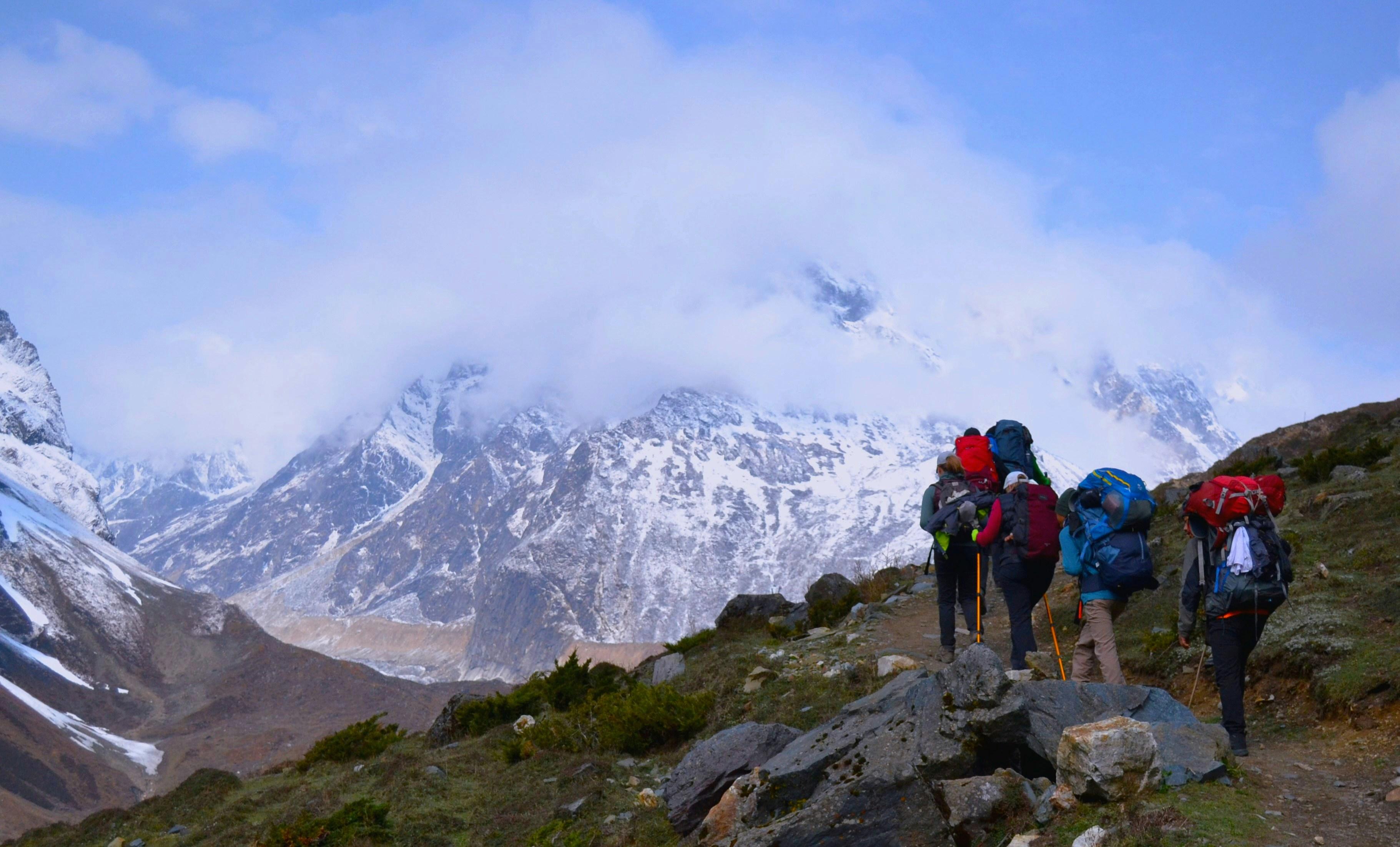
The Himalayas are calling, and the mighty Manaslu stands tall, waiting for adventurers. Many trekkers planning this amazing journey ask, “How many km is Manaslu trek?” Understanding the distance helps you prepare, pace yourself, and fully enjoy one of the most beautiful trails in Nepal. But the trek is not just about numbers—it is about the breathtaking views, charming villages, and the feeling of walking among the world’s highest peaks.
This trek takes you through quiet valleys, across rivers, and over high passes. Each day brings something new: snow-capped mountains, glaciers, and forests. You will pass small villages where locals welcome travelers with warm smiles and traditional food. It is not just a trek; it is an adventure that fills your heart as much as your eyes.
Where the Manaslu Trek Begins
Most trekkers start at Soti Khola. From here, the trail gently climbs along the Budhi Gandaki River. The first days are peaceful, filled with forests, terraced fields, and small villages. You will hear the river rushing beside you and see local children waving as you walk by.
The trail passes through villages like Jagat and Dharapani, where tea houses provide food and rest. The altitude rises slowly, which helps trekkers adjust to the thinner air. Walking these first few kilometers gives you time to enjoy the calm beauty of the Manaslu Region.
Manaslu Trek Distance and Key Statistics
So, let’s answer the big question: How many km is Manaslu trek? The total trek distance varies slightly depending on the exact route and side trips you take. Generally, the trek covers about 170–180 kilometers from start to finish.
Here are some useful statistics to help plan your journey:
-
Average Trek Duration: 14–16 days
-
Total Distance: 170–180 km
-
Maximum Elevation: 5,160 meters at Larkya La Pass
-
Starting Point: Soti Khola
-
Ending Point: Besisahar or Pokhara
Most trekkers walk about 10–15 km per day, giving time to rest and enjoy the views along the trail. The trek is considered moderate to challenging, mainly due to the high pass and long days of walking.
The Thrill of Larkya La Pass
The highest point of the trek is the famous Larkya La Pass at 5,160 meters. This is a true test for any trekker. The climb is steep, the air is thin, and temperatures can be very cold.
Trekkers usually start before sunrise to reach the pass. Step by step, you climb higher until the world opens up in front of you. From the top, snow-covered peaks surround you in every direction. Colorful prayer flags wave in the wind, marking the path. Standing here is a moment of pure achievement. Many say it is the highlight of the entire Manaslu trek.
Changing Landscapes Along the Route
One of the best things about the Manaslu trek is the variety of landscapes. The lower trail passes through lush forests, rivers, and farmland. Birds sing, and the green hills create a peaceful start to the journey.
As you walk higher, the terrain changes. Forests thin, cliffs rise, and the land becomes more rocky. This part of the trek is close to the Tibetan plateau, giving a dry, almost desert-like view in some valleys. Glaciers and snow peaks appear as you approach the high pass. The mix of forests, rivers, cliffs, and glaciers makes the trek visually stunning.
Culture and Villages on the Manaslu Trail
The Manaslu region is home to Gurung, Tibetan, and other ethnic communities. The trek passes through many small villages where locals maintain traditional lifestyles. Yaks carry loads along the paths, monasteries sit quietly on hills, and prayer wheels spin with every gust of wind.
Villages like Samagaon and Samdo are common stopping points. Tea houses offer hearty meals and warm beds. Trekkers often spend a day in Samagaon to rest and adjust to the higher altitude. Sharing stories with locals and enjoying their hospitality adds a unique cultural experience to the adventure.
Best Time to Trek Manaslu
The ideal time to walk the Manaslu trail is spring (March–May) or autumn (September–November). During these seasons, the weather is clear, and the views of Manaslu and surrounding peaks are breathtaking.
Spring brings blooming rhododendrons and vibrant greenery. Autumn offers crisp, clear skies and sharp mountain views. Winter is cold and snowy, making the high pass more challenging. The monsoon season can bring heavy rain, slippery paths, and landslides, so it is less recommended.
Why the Manaslu Trek is a Must-Do Adventure
The Manaslu trek is not only about walking a long distance. It is a journey through some of the most spectacular Himalayan landscapes. Mountains, glaciers, rivers, and valleys change with every step.
The total annapurna circuit trek km may seem long, but the real treasure is the experience. Meeting locals, seeing ancient monasteries, crossing high passes, and feeling the cold wind at 5,160 meters creates memories that last a lifetime.
By the time trekkers reach the end at Pokhara or Besisahar, they carry more than just photos. They carry the feeling of walking in the shadows of the Himalayas, discovering both beauty and strength within themselves.
For anyone wondering, “How many km is Manaslu trek?”, now you know the distance. But more importantly, you know it is a journey worth every step.
Categories
- Arts & Entertainment
- Causes
- Crafts
- Dance
- Drinks
- Film
- Health
- Food Trends
- Gaming
- Home & Garden
- Health & Fitness
- Literature
- Music & Concerts
- Networking
- Other
- Party
- Religion
- Shopping
- Sports
- Theater
- Wellness
- Cryptocurrency
- NFT Trends
- Coin update
- Lifestyle
- Business & Finance
- Entrepreneurship
- Marketing Strategies
- Personal Finance
- Investment Tips
- Industry Trends
- Technology
- Gadgets & Reviews
- Software & Apps
- Cybersecurity
- Emerging Technologies
- How-To Guides
- Education
- Movie & TV Reviews
- Celebrity News
- Book Reviews
- Personal Development
- Motivation & Inspiration
- Life Hacks
- Community & Culture
- Local Events
- Cultural Insights
- Social Issues
- Interviews & Spotlights
- Volunteering & Activism
- Science & Nature
- Animal Behavior
- Beauty Tips
- Fashion Trends
- Product Reviews
- Food & Drink
- Cooking
- Restaurant Reviews
- Travel
- Arts & Crafts
- Photography
- Workout Routines
- Parenting Tips
- News
- Tips & Tricks
- Case Studies
- Product Reviews
- Interviews
- Opinion
- Research & Insights
- Events Coverage
- Personal Stories
- Announcements
- Trends & Predictions
- Guest Posts
Read More
The ENT (Ear, Nose & Throat) Devices Market is experiencing robust global growth, driven by rising prevalence of ENT disorders, technological innovation, aging populations, and expanding healthcare infrastructure across developed and emerging economies. This long-form, in-depth article provides valuable insights into market size, segmentation, key trends, growth drivers, regional forecasts,...

"Floor Cleaning Equipment Market Size, Share, and Trends Analysis Report—Industry Overview and Forecast to 2030 The Commercial Floor Cleaning Machines Market is experiencing rapid transformation, driven by technological advancements, evolving consumer preferences, and industry innovations. According to top market research companies, businesses across sectors are leveraging in-depth...

Upgrading your kitchen with Best Kitchen Cabinets can completely transform the look, functionality, and value of your home. Homeowners in Fishers, IN, are increasingly investing in high-quality, modern, and custom cabinets that blend durability with style. Companies like Construction & Inspection Division (CID) LLC help homeowners make informed decisions, ensuring each kitchen...

The Space Mining Market sector is undergoing rapid transformation, with significant growth and innovations expected by 2031. In-depth market research offers a thorough analysis of market size, share, and emerging trends, providing essential insights into its expansion potential. The report explores market segmentation and definitions, emphasizing key components and growtha drivers. Through the...

Jesmonite workshops in Singapore offer hands-on sessions for makers who want tactile, eco-friendly craft experiences. These classes teach simple casting, marbling, and terrazzo techniques using Jesmonite AC100, a low-odour, quick-dry concrete alternative popular with hobbyists and designers. TL;DR Find public and corporate Jesmonite sessions that teach coasters, terrazzo trays, lamps, and...