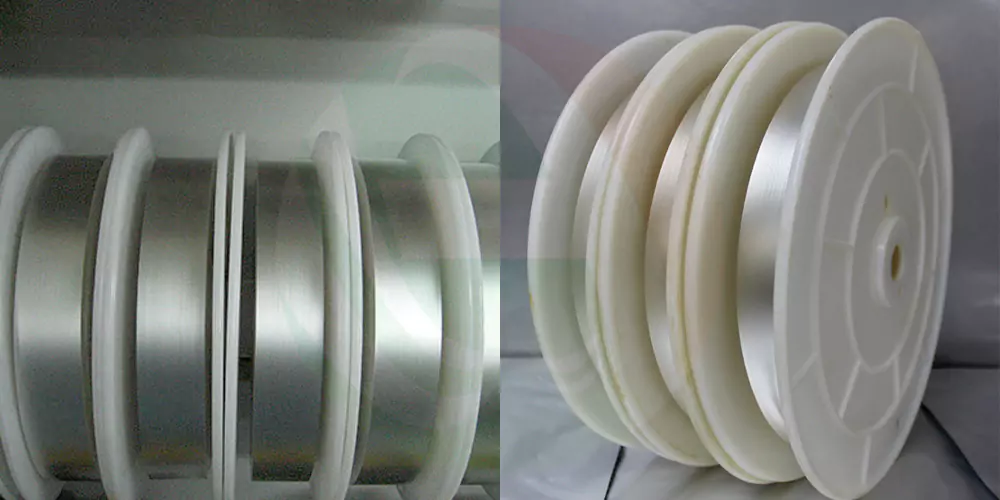
A Lithium Strip is a thin, flat form of lithium metal widely used in energy storage, industrial processing, and advanced research. Lithium is known for being the lightest metal and one of the most powerful elements in electrochemical reactions. When shaped into strip form, it becomes easier to use in manufacturing and laboratory environments. As industries move toward lightweight materials and high-performance energy solutions, lithium strips have become increasingly important in global markets.
The rising demand for electric vehicles, renewable energy storage systems, and portable electronic devices has significantly increased the need for lithium-based materials. Lithium strips are at the center of this transformation because they offer high energy density, strong conductivity, and excellent performance in compact designs.
How Lithium Strips Are Produced
Lithium strips are produced from high-purity lithium metal. The metal is carefully processed and rolled into thin sheets under controlled environmental conditions. Since lithium reacts quickly with air and moisture, manufacturing takes place in dry rooms or inert atmospheres to prevent oxidation.
After rolling, the lithium is cut into precise strip dimensions based on industrial requirements. The final product is packaged in vacuum-sealed containers or stored in protective oil to maintain quality. Precision in thickness and purity is critical because even small variations can affect battery performance and chemical reactions.
Role of Lithium Strip in Battery Technology
The most important application of lithium strips is in battery production, especially lithium-metal batteries. In these batteries, the lithium strip typically functions as the anode. The anode stores energy during charging and releases it during discharge, allowing devices to operate efficiently.
Lithium-metal batteries are considered a next-generation energy solution because they offer higher energy density compared to traditional lithium-ion batteries. This means devices can run longer on a single charge without increasing battery size. Electric vehicles, drones, aerospace equipment, and renewable energy systems benefit greatly from this technology.
As research continues to improve battery lifespan and safety, lithium strips remain a key material in achieving better energy storage performance.
Industrial Applications Beyond Batteries
While batteries are the primary use, lithium strips also play an important role in various industrial and chemical processes. Lithium acts as a strong reducing agent in chemical reactions, making it valuable in pharmaceutical manufacturing and specialized chemical production.
In metallurgy, lithium strips are used to produce lightweight alloys. These alloys enhance strength and reduce overall weight, which is essential in automotive and aerospace engineering. The demand for lighter and stronger materials continues to increase, supporting further use of lithium-based components.
Research institutions also use lithium strips in experiments involving advanced materials and electrochemical studies. Their controlled form allows scientists to conduct accurate and reliable tests.
Advantages of Lithium Strip
Lithium strips offer several advantages that make them highly desirable in modern industries. One major benefit is their high energy storage capacity. Lithium can store more energy per unit weight than many other metals, making it ideal for compact and portable systems.
Another advantage is their lightweight structure. In applications like electric vehicles or aerospace equipment, reducing weight improves efficiency and overall performance. Lithium strips also provide strong conductivity, which enhances battery output and reliability.
Additionally, lithium strips are adaptable. They can be manufactured in different thicknesses and sizes to meet specific technical needs. This flexibility allows companies to design customized solutions for various industries.
Safety Measures and Handling Guidelines
Because lithium is highly reactive, proper handling of lithium strips is essential. Exposure to moisture can cause chemical reactions that generate heat or flames. For this reason, lithium strips must be stored in dry, sealed environments.
Industrial facilities follow strict safety standards, including protective equipment, controlled storage systems, and specialized transportation procedures. Workers are trained to handle lithium carefully to prevent accidents and maintain product integrity.
Understanding and following safety guidelines ensures that lithium strips can be used effectively while minimizing risk.
Market Growth and Future Potential
The global market for lithium strips is closely connected to the expansion of clean energy and electric mobility. As governments worldwide focus on reducing carbon emissions, electric vehicle production continues to rise. This growth directly increases demand for lithium-metal batteries and, consequently, lithium strips.
Renewable energy systems such as solar and wind farms also require efficient energy storage solutions. Lithium-based batteries provide reliable storage, making lithium strips an important component of sustainable infrastructure.
Future innovations, including solid-state batteries and advanced energy storage technologies, are expected to further increase the importance of lithium strips. Improvements in manufacturing processes may also enhance safety, efficiency, and affordability.
Conclusion
Lithium Strip is a thin and highly efficient form of lithium metal used in battery manufacturing, industrial processes, and scientific research. Its lightweight structure, high energy density, and excellent electrochemical properties make it a critical material in modern technology.
With growing demand for electric vehicles, renewable energy systems, and portable electronics, lithium strips continue to gain global importance. As innovation advances and energy needs expand, lithium strips will remain a key component in powering the future of technology and sustainable development.