


A Complete Guide to Preparing for the BIO International Convention as a First-Time Exhibitor
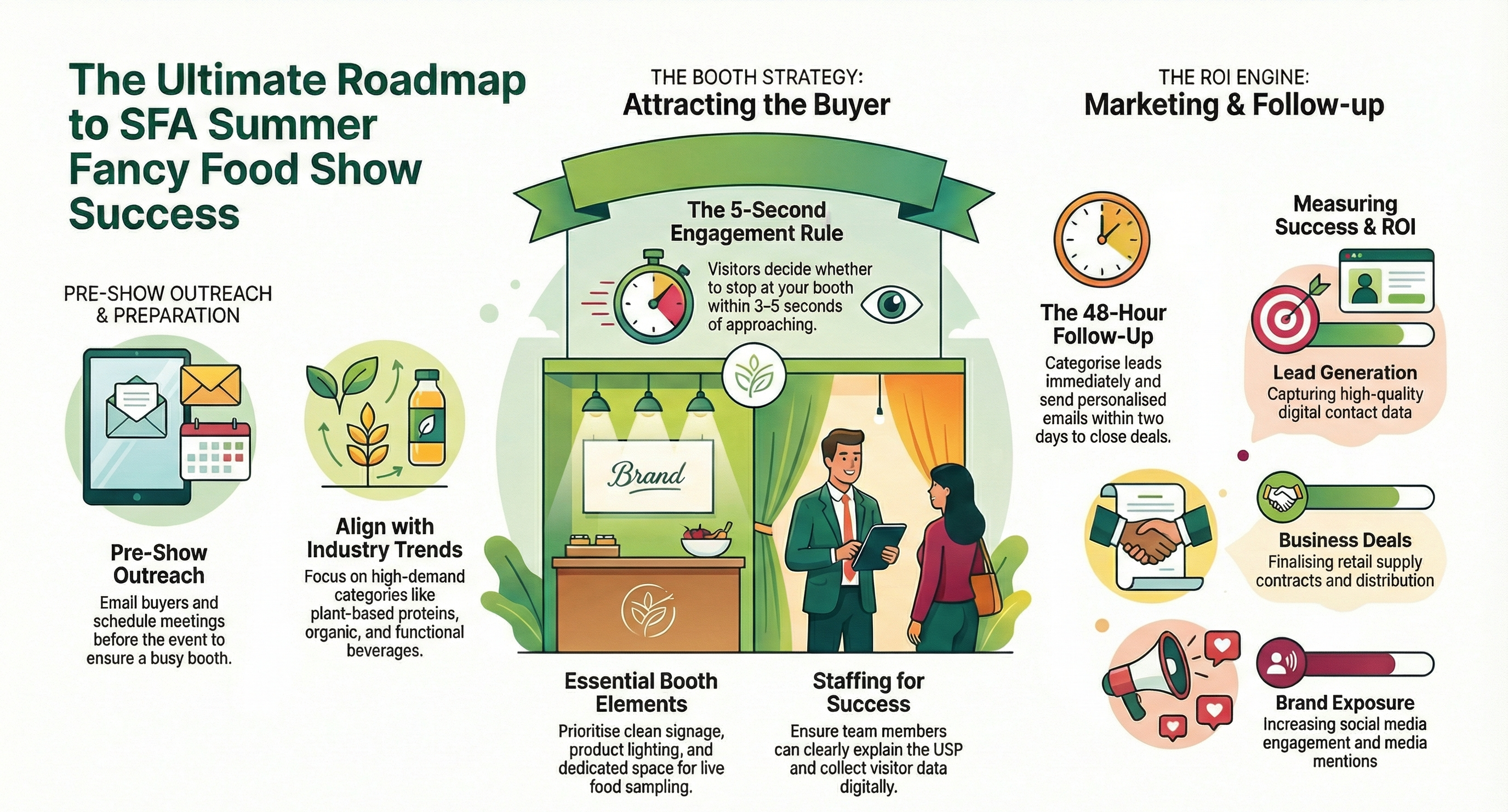
Participating in the BIO International Convention is a major milestone for biotechnology companies, startups, research institutions, and healthcare innovators. As one of the world’s most influential biotechnology trade shows, the event gathers thousands of professionals including pharmaceutical companies, investors, scientists, contract manufacturers, and regulatory leaders. For a first-time exhibitor, the scale of the show can feel overwhelming. However, with the right preparation, strategy, and booth planning, the exhibition can become a powerful platform for networking, brand positioning, and business growth.
Understanding the Importance of the Event
The BIO International Convention is not just a standard trade show; it is a global meeting hub for the life sciences industry. Companies from across the world attend to showcase research breakthroughs, form strategic partnerships, and explore commercialization opportunities. The event typically features:
-
Partnering meetings between biotech firms and investors
-
Product launches and demonstrations
-
Educational sessions and panel discussions
-
Regulatory and policy briefings
-
Networking receptions
For new exhibitors, the biggest advantage is direct access to decision-makers. Instead of months of outreach emails and cold calls, you meet pharmaceutical leaders, distributors, venture capitalists, and research collaborators face-to-face within a few days.
Step 1: Define Clear Exhibition Goals
Before booking your booth, you must identify what you want to achieve. Many first-time exhibitors make the mistake of attending without clear objectives. Your goals may include:
-
Lead generation
-
Brand awareness
-
Investor meetings
-
Partnership development
-
Product launch
-
Market research
Each objective affects your booth design, staffing, marketing materials, and meeting schedule. For example, if your primary goal is attracting investors, your booth messaging should focus on innovation, scalability, and clinical results rather than just product features.
Step 2: Plan Your Booth Strategy Early
Trade show success begins months before the event. The BIO International Convention is a large-scale exhibition, and waiting until the last minute to prepare often results in higher costs and missed opportunities.
Choose the Right Booth Size
Your booth size should align with your goals and budget.
-
Small booths (10x10): Ideal for startups and early-stage biotech companies
-
Medium booths (10x20 or 20x20): Suitable for growing companies launching products
-
Large booths or island exhibits: Best for established pharmaceutical or biotech organizations
Focus on Functionality
Your booth must allow:
-
Comfortable meetings
-
Clear product display
-
Engaging presentations
-
Easy visitor flow
A crowded booth drives visitors away. Space planning is as important as visual design.
Step 3: Design a Booth That Attracts Attention
At a busy exhibition hall, visitors may pass hundreds of booths in a single day. You typically have 3–5 seconds to capture attention.
Key Booth Design Elements
1. Clear Messaging
Visitors should immediately understand:
-
Who you are
-
What you do
-
Why it matters
Avoid technical jargon on your main signage. Keep it simple and impactful.
2. Strong Branding
Use:
-
Consistent brand colors
-
High-resolution graphics
-
Large readable fonts
3. Interactive Experience
Instead of brochures alone, include:
-
Live demos
-
Digital presentations
-
AR/VR scientific visualizations
-
Short explainer videos
4. Comfortable Meeting Area
The BIO International Convention is heavily partnership-driven. Private meeting spaces inside your booth increase meaningful discussions and business opportunities.
Step 4: Train Your Booth Staff
Your team is more important than your booth design. Even a beautiful booth fails if staff members are unprepared.
Staff Should:
-
Understand your product thoroughly
-
Deliver a 30-second elevator pitch
-
Engage visitors politely
-
Qualify leads quickly
-
Schedule meetings effectively
Avoid these common mistakes:
-
Staff using phones
-
Sitting and ignoring visitors
-
Talking only among themselves
-
Overloading visitors with technical data
Instead, your team should act as ambassadors, educators, and relationship builders.
Step 5: Pre-Show Marketing Is Essential
Many exhibitors rely only on foot traffic. This is a major error. Successful companies schedule meetings before the exhibition even starts.
Pre-Event Marketing Checklist
-
Email your client and partner database
-
Announce your participation on LinkedIn
-
Share booth number and meeting booking link
-
Invite investors and collaborators
-
Publish press releases
-
Schedule appointments through partnering platforms
The more meetings you schedule in advance, the more productive your exhibition will be.
Step 6: Prepare Marketing Materials
Visitors at the BIO International Convention often attend dozens of meetings daily. Your material should be concise and memorable.
Prepare:
-
One-page company overview
-
Scientific poster or summary
-
Business card
-
Digital presentation
-
QR codes linking to website or data
Avoid heavy printed catalogs; most professionals prefer digital access.
Step 7: Lead Capture and Management
Lead generation is one of the most valuable outcomes of the BIO International Convention, but many exhibitors fail to follow up properly.
How to Capture Leads
Use:
-
Lead capture apps
-
Badge scanners
-
Digital forms
-
Tablet registration
Qualify Leads Immediately
Categorize them as:
-
Investors
-
Potential clients
-
Partners
-
Distributors
-
Researchers
Add notes immediately after conversations. Memory fades quickly after long exhibition days.
Step 8: Networking Opportunities You Should Not Miss
The real power of the BIO International Convention often lies outside the booth.
Attend:
-
Networking receptions
-
Industry sessions
-
Panel discussions
-
Private partnering meetings
Many partnerships are formed during casual conversations rather than formal presentations.
Pro tip: carry business cards at all times — even during coffee breaks.
Step 9: Product Demonstrations and Presentations
If your company has a new therapy, platform technology, or research pipeline, demonstrations are extremely effective.
Effective presentations should:
-
Be 5–7 minutes long
-
Avoid deep scientific complexity
-
Focus on real-world impact
-
Highlight clinical value
Remember: your audience may include investors, not only scientists.
Step 10: Social Media During the Event
Live posting significantly increases visibility.
Post:
-
Booth photos
-
Meeting highlights
-
Speaker sessions
-
Product launches
-
Industry insights
Use professional platforms like LinkedIn and include the event hashtag. This attracts attendees who haven’t yet visited your booth.
Step 11: Budget Planning
First-time exhibitors often underestimate costs. Your budget should include:
-
Booth space rental
-
Booth construction
-
Shipping and logistics
-
Travel and accommodation
-
Marketing materials
-
Staff expenses
-
Internet and electricity
-
Lead capture tools
Plan at least 20% contingency for unexpected expenses.
Step 12: Post-Show Follow-Up (Most Critical Step)
Many companies fail after the show because they delay follow-up.
Follow-up must happen within 48–72 hours.
Send:
-
Personalized emails
-
Meeting summaries
-
Requested documents
-
Investor decks
-
Partnership proposals
Leads grow cold quickly. Fast follow-up dramatically improves conversion rates.
Common Mistakes First-Time Exhibitors Make
Avoid these pitfalls:
-
Booking booth too late
-
No pre-scheduled meetings
-
Overloading visitors with technical details
-
Poor booth staffing
-
Weak follow-up process
-
Lack of clear message
-
Not tracking ROI
Measuring Your ROI
After the BIO International Convention, evaluate success using:
-
Number of meetings held
-
Qualified leads
-
Partnerships initiated
-
Investor discussions
-
Deals in progress
-
Website traffic increase
-
Brand awareness
Trade shows are long-term investments. Some partnerships may close months after the event.
Final Thoughts
For first-time participants, exhibiting at the BIO International Convention can transform a company’s visibility, credibility, and growth trajectory. With proper planning, targeted marketing, trained staff, and strategic follow-up, your exhibition presence can produce partnerships, funding opportunities, and international expansion. The key is preparation — the more organized and proactive you are, the greater the return you will achieve from this globally recognized biotechnology event.
Kategorien
- Arts & Entertainment
- Causes
- Crafts
- Dance
- Drinks
- Film
- Health
- Food Trends
- Gaming
- Home & Garden
- Health & Fitness
- Literature
- Music & Concerts
- Networking
- Andere
- Party
- Religion
- Shopping
- Sports
- Theater
- Wellness
- Cryptocurrency
- NFT Trends
- Coin update
- Lifestyle
- Business & Finance
- Entrepreneurship
- Marketing Strategies
- Personal Finance
- Investment Tips
- Industry Trends
- Technology
- Gadgets & Reviews
- Software & Apps
- Cybersecurity
- Emerging Technologies
- How-To Guides
- Ausbildung
- Movie & TV Reviews
- Celebrity News
- Book Reviews
- Personal Development
- Motivation & Inspiration
- Life Hacks
- Community & Culture
- Local Events
- Cultural Insights
- Social Issues
- Interviews & Spotlights
- Volunteering & Activism
- Science & Nature
- Animal Behavior
- Beauty Tips
- Fashion Trends
- Product Reviews
- Food & Drink
- Cooking
- Restaurant Reviews
- Travel
- Arts & Crafts
- Photography
- Workout Routines
- Parenting Tips
- News
- Tips & Tricks
- Case Studies
- Product Reviews
- Interviews
- Opinion
- Research & Insights
- Events Coverage
- Personal Stories
- Ankündigungen
- Trends & Predictions
- Guest Posts
Mehr lesen
"Key Drivers Impacting Executive Summary Europe Commercial Jar Blenders Market Size and Share CAGR Value Data Bridge Market Research analyses that the market is growing with a CAGR of 5.6% in the forecast period of 2020 to 2028 and is expected to reach USD 57,296.39 thousand by 2028. The Europe Commercial Jar Blenders Market report contains market insights and analysis for...

The Produce Packaging Market sector is undergoing rapid transformation, with significant growth and innovations expected by 2029. In-depth market research offers a thorough analysis of market size, share, and emerging trends, providing essential insights into its expansion potential. The report explores market segmentation and definitions, emphasizing key components and growth...

The rise of PU leather notebooks in modern society reflects a growing trend toward sustainability, personalization, and practicality. As consumers become more conscious of their environmental impact and personal preferences, the demand for PU leather products has surged. These notebooks offer an alternative to traditional leather goods, providing a stylish and functional option that meets the...

Dental emergencies can strike at any moment, causing pain, discomfort, and stress. Whether it's a severe toothache, a chipped tooth, or a knocked-out tooth, finding a reliable emergency dental service in Melbourne is crucial for prompt care. At Australian Family Dental, we understand the urgency of dental issues and provide fast, professional treatment to restore your smile and...
Consumer preferences in the home remodeling market have shifted toward personalized living spaces with a focus on sustainability and convenience. Homeowners today seek thoughtful renovations that add value, adapt to changing lifestyles, and improve energy efficiency without sacrificing design appeal. The Home Remodeling Market reflects these trends through increased demand for...
