Engineering Reliability: A Deep Dive into Cockpit Display System Manufacturing
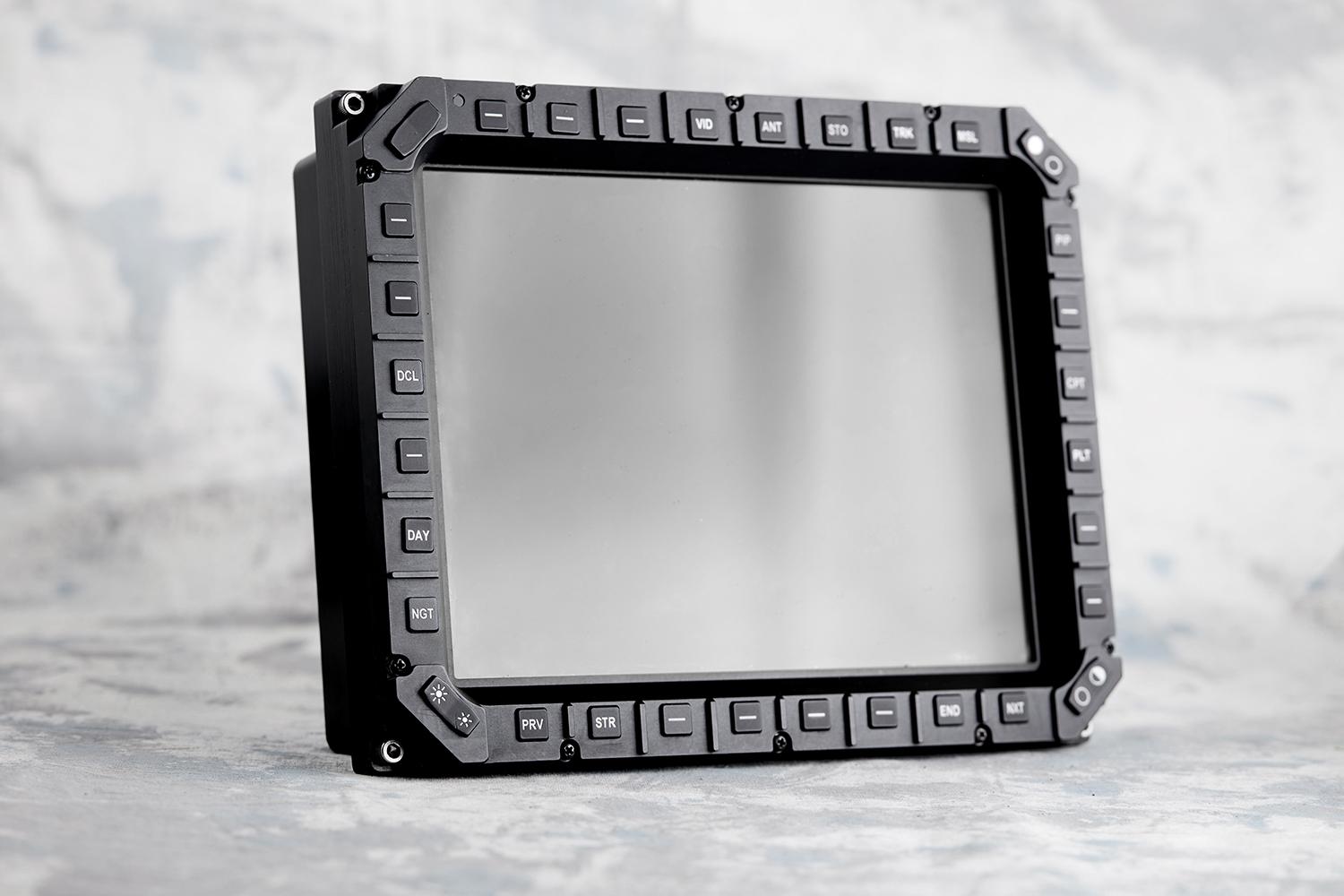
When pilots depend on cockpit display systems for safe aircraft operation, reliability isn't negotiable-it's essential. Yet achieving the 50,000+ hour mean time between failures (MTBF) that aerospace applications demand requires manufacturing processes fundamentally different from consumer or even industrial electronics production. Understanding how leading rugged display manufacturers engineer reliability into every stage of production provides critical insight for system integrators and platform manufacturers evaluating display suppliers. The difference between adequate and exceptional reliability often lies in manufacturing details invisible to casual inspection.
Component Selection and Qualification: Building Reliability From The Start
Reliability begins with component selection long before manufacturing starts. Premium rugged display manufacturers source components specifically rated for extended temperature operation (-55°C to +85°C for military applications, often -40°C to +85°C for commercial aviation). These military- and aerospace-grade components cost 3-10 times more than commercial equivalents but provide the reliability margins necessary for harsh environments.
Component derating represents another critical reliability strategy. Rather than operating components at their maximum rated specifications, aerospace displays typically operate power supplies at 50-70% of rated capacity, capacitors at 50% of rated voltage, and semiconductors well below junction temperature limits. This conservative design approach provides substantial margins that absorb environmental stress without component degradation.
Leading manufacturers maintain approved vendor lists with extensive qualification histories for each component. When obsolescence forces component changes, new parts undergo rigorous qualification testing including temperature cycling, vibration exposure, and accelerated life testing before incorporation into production displays. This qualification discipline prevents the infant mortality issues that plague programs using inadequately tested components.
PCB Design and Manufacturing for Extreme Environments
The printed circuit boards (PCBs) in cockpit display systems face continuous vibration, temperature cycling, and humidity exposure that would destroy standard PCBs within months. Aerospace-grade PCBs use heavier copper weights (2-4 oz. versus 1 oz. in consumer electronics) providing lower resistance, better thermal management, and improved mechanical strength. High-temperature FR-4 or polyimide substrates maintain dimensional stability and dielectric properties across the full operating temperature range.
Via design and plating quality critically affect reliability. Aerospace PCBs implement multiple redundant vias for critical connections, preventing single-point failures from via cracking during thermal cycling. Plating thickness in through-holes exceeds commercial standards, ensuring reliable connections despite thermal expansion stresses. Premium manufacturers inspect via quality using cross-sectional analysis on production samples, catching defects before they reach field deployment.
Conformal coating application protects circuitry from moisture, dust, and chemical contamination. Advanced rugged display manufacturers apply multiple coating layers using automated systems that ensure uniform coverage without the voids and thickness variations common in manual application. Coating thickness inspection and electrical testing verify protection effectiveness before displays progress to final assembly.
Optical Assembly: Where Precision Meets Durability
Optical bonding-the process of eliminating air gaps between display layers-represents one of the most critical manufacturing operations for cockpit display systems. Poor bonding technique creates optical defects (Newton rings, bubbles, edge delamination) and mechanical weaknesses. Leading manufacturers use cleanroom environments with precisely controlled temperature and humidity during bonding operations. Automated dispensing systems apply adhesive with micron-level precision, while vacuum lamination presses bond layers without introducing voids or contaminants.
The adhesive selection itself affects long-term reliability. Aerospace-grade optically clear adhesives (OCA) maintain optical clarity and bond strength across the full temperature range while resisting UV degradation and humidity penetration. Inferior adhesives yellow with age, develop haze, or delaminate under thermal cycling-failures that render displays unreadable long before their expected service life.
Anti-reflective coating application on final optical surfaces follows similarly exacting processes. Premium manufacturers use vacuum deposition systems that apply multiple interference coating layers, achieving reflectance below 1% while maintaining uniform coating thickness across the display area. This precision ensures consistent optical performance across production lots rather than the unit-to-unit variation common with less controlled processes.
Environmental Screening: Eliminating Weak Units Before Deployment
Even with premium components and controlled manufacturing processes, some displays contain latent defects that would cause early field failures. Environmental stress screening (ESS) subjects every production unit to accelerated stress cycles designed to precipitate infant mortality failures in the factory rather than in service.
Typical ESS protocols for cockpit display systems include multiple temperature cycles from -40°C to +85°C while the display operates under full electrical load. Vibration testing subjects displays to resonant frequency sweeps that would reveal mechanical assembly defects. Power cycling hundreds of times stresses solder joints and electrical connections. Units surviving ESS demonstrate the robustness to withstand years of field operation.
Premium rugged display manufacturers track ESS failure data to continuously improve manufacturing processes. Rising failure rates for specific components or assembly operations trigger immediate investigation and corrective action, preventing systemic quality issues from affecting large production quantities.
Comprehensive Inspection and Functional Testing
Beyond environmental screening, displays undergo exhaustive functional testing verifying every specification parameter. Automated optical test systems measure brightness uniformity, color accuracy, viewing angles, and response times using calibrated instruments in controlled lighting conditions. Touch sensitivity testing validates operation through gloves and verifies rejection of false inputs. Interface testing confirms correct operation with customer-specific video and data protocols.
Leading manufacturers implement 100% inspection with documented test results traceable to individual serial numbers. This complete traceability allows field failure analysis to identify potential lot-specific issues and enables targeted corrective actions. Programs lacking this traceability struggle to identify and resolve systemic quality problems.
AEROMAOZ, a world-renowned provider of rugged HMI solutions for mission-critical environments, exemplifies manufacturing excellence in cockpit display system production. With over 40 years of AS9100-certified manufacturing experience serving military aviation, UAV operations, and armored vehicle applications, AEROMAOZ has refined the manufacturing processes and quality systems that deliver the exceptional reliability tier-1 system integrators and platform manufacturers demand.
Conclusion: Reliability is Manufactured, Not Marketed
Exceptional reliability in cockpit display systems results from disciplined manufacturing processes spanning component selection, PCB design, optical assembly, environmental screening, and comprehensive testing. While many rugged display manufacturers claim exceptional reliability, only those with mature processes, quality systems, and continuous improvement cultures consistently deliver displays that meet aerospace's demanding operational requirements. For system integrators and platform manufacturers, understanding these manufacturing fundamentals enables informed supplier evaluation that looks beyond marketing claims to assess actual manufacturing capability—the foundation of genuine display reliability.
Kategoriler
- Arts & Entertainment
- Causes
- Crafts
- Dance
- Drinks
- Film
- Health
- Food Trends
- Gaming
- Home & Garden
- Health & Fitness
- Literature
- Music & Concerts
- Networking
- Other
- Party
- Religion
- Shopping
- Sports
- Theater
- Wellness
- Cryptocurrency
- NFT Trends
- Coin update
- Lifestyle
- Business & Finance
- Entrepreneurship
- Marketing Strategies
- Personal Finance
- Investment Tips
- Industry Trends
- Technology
- Gadgets & Reviews
- Software & Apps
- Cybersecurity
- Emerging Technologies
- How-To Guides
- EĞİTİM BİLGİLERİ
- Movie & TV Reviews
- Celebrity News
- Book Reviews
- Personal Development
- Motivation & Inspiration
- Life Hacks
- Community & Culture
- Local Events
- Cultural Insights
- Social Issues
- Interviews & Spotlights
- Volunteering & Activism
- Science & Nature
- Animal Behavior
- Beauty Tips
- Fashion Trends
- Product Reviews
- Food & Drink
- Cooking
- Restaurant Reviews
- Travel
- Arts & Crafts
- Photography
- Workout Routines
- Parenting Tips
- News
- Tips & Tricks
- Case Studies
- Product Reviews
- Interviews
- Opinion
- Research & Insights
- Events Coverage
- Personal Stories
- Duyurular
- Trends & Predictions
- Guest Posts
Read More
"Executive Summary Baggage Handling System Market : The growing number of terrorist attacks or terrorism in general at airports and railway stations, increased focus on the installation of technologically advanced scanners, growth and expansion of security and surveillance industry. In the developing economies and growing public expenditure for the rapid development of...

In today’s competitive marketplaces, what matters really is to stand out so that one can grab or catch the attention of consumers. The making of printed boxes wholesale has emerged as a reliable instrument in making an impression by serving both purposes for a business: to protect the product and to present the assets of its unique identity. Packaging today is not only about protecting...

If you’re planning a memorable getaway to the Western Ghats, Ekostay Villa Blanco stands out among villas in Lonavala with pool for its blend of style, comfort, and scenic surroundings. Whether you’re travelling with family, friends, or looking for a peaceful escape, this villa provides the perfect backdrop for a refreshing and relaxing stay. A Beautiful Holiday Home in the Hills...

Executive Summary Semi Anechoic Chamber Market: Growth Trends and Share Breakdown CAGR Value The global semi anechoic chamber market size was valued at USD 1.42 billion in 2025 and is expected to reach USD 2.09 billion by 2033, at a CAGR of 4.90% during the forecast period This Semi Anechoic Chamber Market research report is a proven and consistent source of information that gives...