


Coffee Temperature: The Complete Guide to Brewing the Perfect Cup

When it comes to making great coffee, most people focus on coffee beans, grind size, or brewing equipment. But one important factor that directly affects flavor is often overlooked: coffee temperature.
The right coffee temperature can enhance sweetness, aroma, and balance, while the wrong temperature can make coffee taste bitter, burnt, sour, or weak. Whether you're making espresso, pour-over, French press, or instant coffee, understanding coffee temperature is the key to improving your coffee experience.
In this blog, we’ll explore the best coffee brewing temperatures, serving temperatures, and expert tips to get café-quality results at home.
Why Coffee Temperature Matters
Coffee is made by extracting flavor compounds from coffee grounds using hot water. The temperature of the water controls how fast and how much extraction happens.
-
Too hot water extracts too much and creates bitterness.
-
Too cold water under-extracts and results in sour or weak coffee.
Perfect coffee temperature helps you achieve:
-
Better aroma
-
Balanced flavor
-
Smooth texture
-
Less bitterness
-
More sweetness
Ideal Coffee Brewing Temperature
The recommended coffee brewing temperature is usually:
✅ 90°C to 96°C (195°F to 205°F)
This is considered the ideal range for extracting the best flavors from coffee beans without burning them.
Most specialty coffee professionals and brewing standards recommend staying within this temperature range for best results.
What Happens If Coffee Water Is Too Hot?
Using boiling water (100°C / 212°F) directly on coffee grounds can lead to over-extraction.
Common issues:
-
Bitter taste
-
Burnt flavor
-
Dry aftertaste
-
Harsh and unpleasant notes
Dark roast coffee is especially sensitive to high temperatures because it is already heavily roasted.
What Happens If Coffee Water Is Too Cold?
Low water temperature reduces extraction and results in under-developed flavors.
Common issues:
-
Sour taste
-
Watery texture
-
Weak coffee aroma
-
Less sweetness and body
If your coffee tastes acidic or thin, low brewing temperature could be the reason.
Best Coffee Temperature by Brewing Method
Different brewing methods require slightly different coffee temperature settings.
☕ Pour Over (V60, Chemex)
Best temperature: 92°C to 96°C
Pour-over brewing benefits from higher temperatures because water passes through coffee quickly.
☕ French Press
Best temperature: 90°C to 94°C
French press has longer contact time, so slightly lower temperature prevents bitterness.
☕ Espresso
Best temperature: 90°C to 96°C
Espresso requires precise control. Higher temperatures bring out bold flavors, while lower temperatures increase smoothness.
☕ Moka Pot
Best temperature: Medium heat control (water not boiling aggressively)
Moka pots can easily burn coffee if overheated. Use controlled heat and remove from the stove once brewed.
☕ Drip Coffee Maker
Best temperature: 90°C to 96°C
Good coffee machines maintain proper brewing temperature automatically.
☕ Cold Brew
Best temperature: Room temperature or cold water
Cold brew uses time instead of heat, steeping coffee for 12–24 hours.
Best Serving Coffee Temperature
Brewing temperature and drinking temperature are different.
Freshly brewed coffee is usually too hot to drink immediately. The ideal serving temperature is:
✅ 55°C to 65°C (130°F to 150°F)
At this temperature, coffee tastes smoother and flavors become clearer.
Coffee Temperature for Milk-Based Drinks
For cappuccino, latte, and flat white, milk temperature is also important.
🥛 Best milk steaming temperature:
60°C to 65°C (140°F to 149°F)
If milk is overheated above 70°C, it can taste burnt and lose sweetness.
How to Measure Coffee Temperature Easily
You don’t need expensive tools, but a simple kitchen thermometer helps.
Easy method without a thermometer:
-
Boil water
-
Let it sit for 30 to 60 seconds
-
Then pour it over coffee grounds
This usually drops water temperature into the ideal brewing range.
Tips to Control Coffee Temperature Better
Here are some practical tips for improving coffee temperature control:
✔ Preheat Your Coffee Cup
Pour hot water into the cup first, then discard it before adding coffee. This keeps your coffee warm longer.
✔ Preheat Brewing Equipment
Warm your French press, pour-over dripper, or espresso portafilter for stable brewing.
✔ Use a Temperature-Control Kettle
Electric kettles with temperature settings are excellent for consistent brewing.
✔ Avoid Reheating Coffee
Reheating coffee in the microwave changes its taste and increases bitterness. Brew fresh instead.
Coffee Temperature and Taste: What to Expect
Coffee temperature affects flavor clarity.
Hot Coffee (Above 70°C)
-
Strong aroma
-
Flavor is less clear
-
Harder to taste sweetness
Warm Coffee (55°C to 65°C)
-
Best flavor balance
-
Sweetness and acidity become noticeable
-
Smooth mouthfeel
Cool Coffee (Below 40°C)
-
Bitterness becomes more noticeable
-
Acidity feels sharper
-
Flavor becomes flat
This is why specialty coffee is often served slightly cooler than regular coffee.
Common Coffee Temperature Mistakes
Many people make these simple mistakes:
-
Using boiling water directly on coffee
-
Brewing with lukewarm water
-
Not preheating the cup or equipment
-
Leaving coffee on a hot plate too long
-
Overheating milk for lattes
Fixing these mistakes can instantly improve your coffee quality.
Final Thoughts
Coffee temperature is one of the most important factors in making delicious coffee. For most brewing methods, the ideal range is 90°C to 96°C, while the best drinking temperature is 55°C to 65°C.
Категории
- Arts & Entertainment
- Causes
- Crafts
- Dance
- Drinks
- Film
- Health
- Food Trends
- Gaming
- Home & Garden
- Health & Fitness
- Literature
- Music & Concerts
- Networking
- Другое
- Party
- Religion
- Shopping
- Sports
- Theater
- Wellness
- Cryptocurrency
- NFT Trends
- Coin update
- Lifestyle
- Business & Finance
- Entrepreneurship
- Marketing Strategies
- Personal Finance
- Investment Tips
- Industry Trends
- Technology
- Gadgets & Reviews
- Software & Apps
- Cybersecurity
- Emerging Technologies
- How-To Guides
- Образование
- Movie & TV Reviews
- Celebrity News
- Book Reviews
- Personal Development
- Motivation & Inspiration
- Life Hacks
- Community & Culture
- Local Events
- Cultural Insights
- Social Issues
- Interviews & Spotlights
- Volunteering & Activism
- Science & Nature
- Animal Behavior
- Beauty Tips
- Fashion Trends
- Product Reviews
- Food & Drink
- Cooking
- Restaurant Reviews
- Travel
- Arts & Crafts
- Photography
- Workout Routines
- Parenting Tips
- News
- Tips & Tricks
- Case Studies
- Product Reviews
- Interviews
- Opinion
- Research & Insights
- Events Coverage
- Personal Stories
- Последние новости
- Trends & Predictions
- Guest Posts
Больше
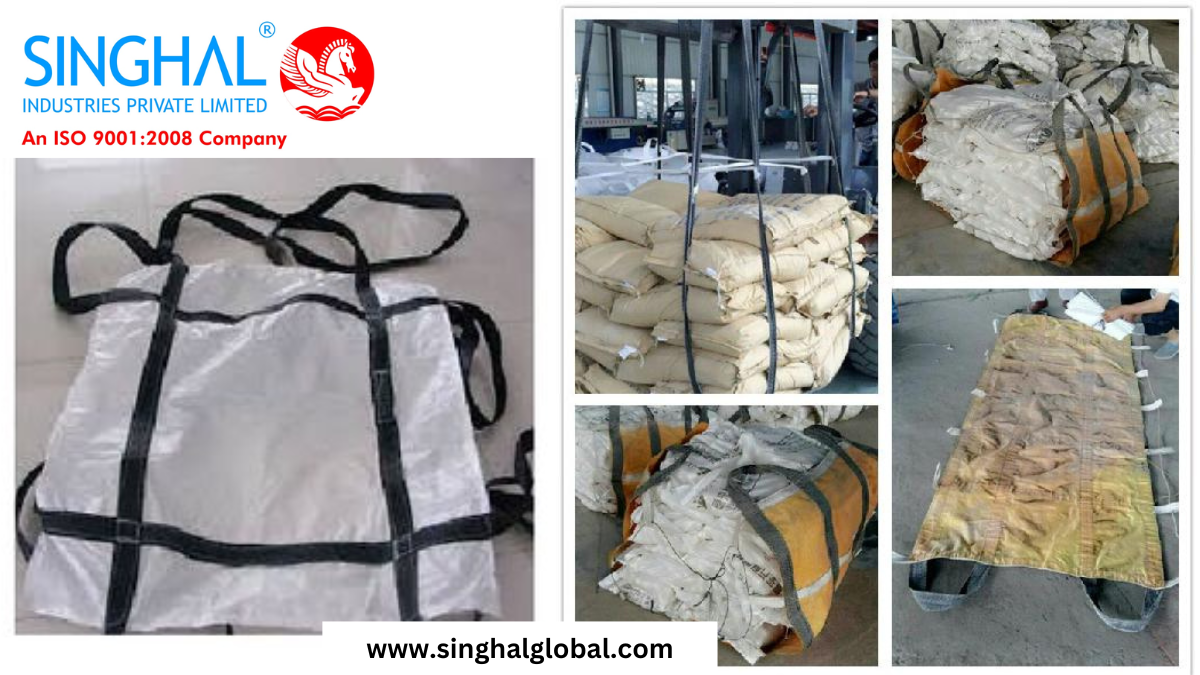
In the world of bulk packaging, FIBC (Flexible Intermediate Bulk Containers) jumbo sling bags have gained widespread popularity for their durability, strength, and versatility. Used in various industries such as agriculture, construction, chemicals, and mining, these bags offer an efficient and reliable way to transport and store large quantities of materials. In this article, we will delve...
The Protein Powder Market is undergoing a significant transformation, with industry forecasts predicting rapid expansion and cutting-edge technological innovations by 2032. As businesses continue to embrace digital advancements and strategic shifts, the sector is set to experience unprecedented growth, driven by rising demand, market expansion, and evolving industry trends. A recent...

Old tractors are more than just machines; they’re a part of agricultural history. For many farmers, an old tractor is a trusted workhorse—rugged, dependable, and familiar. But keeping these vintage machines in good working condition takes more than just a little oil and a prayer. Whether you're running a classic Ford 8N or an International Harvester from the 1970s, regular...

Pimples can be stubborn, frustrating, and often painful. Whether you're dealing with teenage acne or adult breakouts, finding a long-term, side-effect-free solution is everyone’s goal. That's where homeopathy comes into play. Many people now turn to holistic approaches, especially those looking for the best homeopathic medicine for pimples. This natural healing system treats not just the...

CLICK THIS L!NKK 🔴📱👉 https://iyxwfree.my.id/watch-streaming/?video=video-indo-museum-leaked-video-viral-on-twitter-x 🔴 Visit THIS L!NKK 🔴📱👉 https://iyxwfree.my.id/watch-streaming/?video=video-indo-museum-leaked-video-viral-on-twitter-x 🔴 Check out the latest Indonesian videos at Porzo.com. Updated continuously and over 1000 categories. Search for . Popular searches Exclusive Leaked Content,...
