Iranian Burial Southern California: A Compassionate Guide For Families
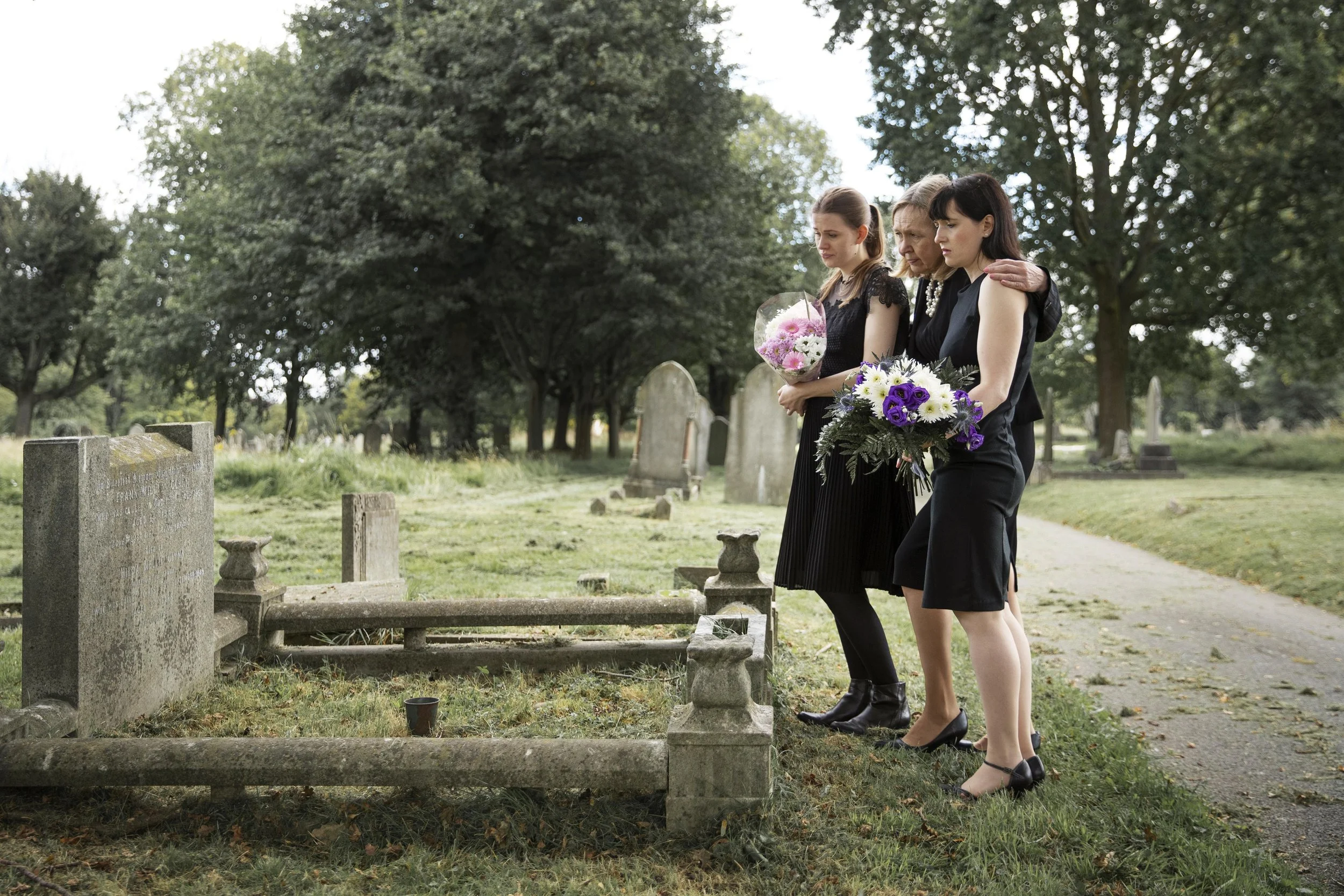
Losing a loved one is never easy, and it can feel even more overwhelming when you are trying to honor specific Iranian traditions while living in Southern California. Many families want a burial that respects both Islamic customs and the cultural expectations of the Iranian community, while also working within local cemetery rules and timelines. This guide walks you through the key elements of planning an Iranian burial in Southern California so you can make thoughtful, confident decisions during a difficult time.
Iranian Burial Southern California: What Makes It Unique?
Iranian burial in Southern California is unique because it blends traditional Islamic practices with the realities of American funeral laws, local cemeteries, and multicultural communities. Families often aim to bury their loved one within 24 hours whenever possible, reflecting deep respect for the deceased and alignment with long‑standing religious guidance. At the same time, you may need to coordinate with funeral homes, cemeteries, and sometimes mosques or Islamic centers to ensure everything is done correctly and legally in California.
In many Iranian Muslim families, core rituals such as Ghusl (ritual washing of the body) and Kafan (simple white shrouding) remain central to the burial process, even when performed in Southern California facilities. Cemeteries that offer Muslim sections and allow the body to be placed facing Mecca provide reassurance that cultural and religious expectations are being met. Community involvement is also very important; extended family and friends typically gather for prayers, condolences, and shared meals, helping everyone process their grief together. The result is a ceremony that feels authentically Iranian, even far from Iran itself.
Iranian Burial Southern California: How Do Funeral Homes Support Families?
Funeral homes that understand Iranian and Muslim traditions play a vital role in making the process smoother and less stressful for families. They coordinate time‑sensitive tasks such as preparing the body, arranging Ghusl, providing a proper shroud, and scheduling the burial as promptly as possible while still respecting local regulations. Many also help families communicate with cemeteries, mosques, and community leaders so that religious rites and legal requirements align.
Some providers in Southern California focus specifically on Islamic and Iranian needs, offering services like ritual washing areas, transportation to cemeteries with Muslim sections, and connections to imams or religious scholars for Janaza prayers. They may also support families who want eco‑friendly or simple caskets that match Islamic values of humility and respect for the earth.
How Do Iranian Islamic Burial Traditions Shape The Process?
For most Iranian Muslims, burial customs are rooted in Islamic teachings that emphasize dignity, modesty, and speed in handling the deceased. The body is typically washed in a specific manner (Ghusl), then wrapped in a simple white shroud (Kafan), symbolizing purity and equality before God. Perfume or scented substances may be used modestly, and care is taken to handle the body gently and respectfully at every stage. These steps are deeply spiritual, giving comfort to families who know they are fulfilling important religious obligations.
The burial itself often takes place with the body placed in the grave so it faces Mecca, which is an essential detail in Islamic practice. Family and community members recite prayers, including specific supplications for mercy and forgiveness on behalf of the deceased. In Iranian culture, gatherings after the burial—such as memorials and prayer nights—continue the support for the family, sometimes including traditional foods and hospitality as expressions of respect and solidarity. These customs help transform grief into a shared, meaningful experience anchored in faith and tradition.
What Should You Know About Cemeteries And Burial Sites In Southern California?
Choosing the right cemetery is one of the most important decisions for Iranian families in Southern California. Many families look for cemeteries that offer dedicated Muslim sections, clear policies on Islamic burial practices, and flexibility on scheduling burials quickly when needed. Well‑known cemeteries such as Rose Hills Memorial Park and other large regional parks are often mentioned for their designated areas for Muslim burials and their experience serving diverse communities, including Iranians.
When evaluating a cemetery, key questions include whether the grave can be oriented toward Mecca, what type of markers or headstones are allowed, and what the rules are around graveside prayers and gathering space. Some locations may also offer on‑site prayer rooms or chapels, which can be very helpful for Janaza prayers or post‑burial reflections. Costs, plot availability, and long‑term maintenance should also be considered, especially for families who expect future generations to visit and remember their loved ones. Working with a funeral home familiar with Iranian needs can simplify comparing these options and securing a suitable resting place.
How Can Families Balance Tradition, Law, And Practical Needs?
Even when families are committed to following Iranian and Islamic traditions, they must also navigate California laws and practical constraints such as hospital release times, paperwork, and cemetery schedules. Death certificates, permits, and other legal documents must be processed correctly before burial, which can sometimes affect the goal of a 24‑hour timeline. A knowledgeable funeral home can often shorten delays by handling documentation efficiently and coordinating directly with hospitals and authorities.
Families also face emotional and logistical decisions: who will participate in Ghusl, where to hold prayers, how many days of memorial gatherings to host, and how to involve relatives who live overseas. Some may request live streaming or recorded services so distant family members can still feel connected to the ceremony. It can help to prioritize the core elements that matter most—such as proper washing, shrouding, prayer, and orientation of the grave—while staying flexible on details influenced by local rules. This approach keeps the heart of Iranian tradition intact while easing the practical challenges of living in Southern California.
Why Choosing A Culturally Sensitive Funeral Provider Matters?
A funeral provider that truly understands Iranian culture and Islamic burial practices can be the difference between a stressful, confusing experience and one that feels peaceful and respectful. These providers are familiar with the urgency of burial in Iranian communities and design their services to support quick, dignified arrangements. They coordinate Ghusl, Kafan, transportation, and cemetery communication so that families can focus more on prayer and remembrance than on logistics.
Culturally sensitive teams also know how important community is during times of loss, and they often create space for extended family and friends to visit, participate in prayers, and offer condolences. They can suggest cemeteries that routinely serve Iranian and Muslim families, guide you through costs and options, and respect specific family preferences around modesty and gender roles during washing and viewing. When every detail—from the timing of the burial to the direction of the grave—is handled with understanding, families feel reassured that their loved one has been honored in a way that reflects both their faith and their heritage.
Conclusion
Planning an Iranian burial in Southern California means balancing heartfelt tradition with local laws, timing, and practical needs. Jab aap aise funeral home ko choose karte ho jo Iranian aur Islamic customs ko achhi tarah samajhta ho, to poora process zyada orderly, respectful, aur emotionally supportive ban jata hai. Cemeteries with Muslim sections, proper Ghusl and Kafan arrangements, and graves oriented toward Mecca help families feel that their loved one has been honored in a way that truly reflects their faith and heritage. In sab cheezon ko dhyan mein rakhkar, aap ek aisi final farewell plan kar sakte ho jo dignified bhi ho aur deeply personal bhi.
Κατηγορίες
- Arts & Entertainment
- Causes
- Crafts
- Dance
- Drinks
- Film
- Health
- Food Trends
- Gaming
- Home & Garden
- Health & Fitness
- Literature
- Music & Concerts
- Networking
- άλλο
- Party
- Religion
- Shopping
- Sports
- Theater
- Wellness
- Cryptocurrency
- NFT Trends
- Coin update
- Lifestyle
- Business & Finance
- Entrepreneurship
- Marketing Strategies
- Personal Finance
- Investment Tips
- Industry Trends
- Technology
- Gadgets & Reviews
- Software & Apps
- Cybersecurity
- Emerging Technologies
- How-To Guides
- Εκπαίδευση
- Movie & TV Reviews
- Celebrity News
- Book Reviews
- Personal Development
- Motivation & Inspiration
- Life Hacks
- Community & Culture
- Local Events
- Cultural Insights
- Social Issues
- Interviews & Spotlights
- Volunteering & Activism
- Science & Nature
- Animal Behavior
- Beauty Tips
- Fashion Trends
- Product Reviews
- Food & Drink
- Cooking
- Restaurant Reviews
- Travel
- Arts & Crafts
- Photography
- Workout Routines
- Parenting Tips
- News
- Tips & Tricks
- Case Studies
- Product Reviews
- Interviews
- Opinion
- Research & Insights
- Events Coverage
- Personal Stories
- Ανακοινώσεις
- Trends & Predictions
- Guest Posts
Διαβάζω περισσότερα
Consumer preferences in the home remodeling market have shifted toward personalized living spaces with a focus on sustainability and convenience. Homeowners today seek thoughtful renovations that add value, adapt to changing lifestyles, and improve energy efficiency without sacrificing design appeal. The Home Remodeling Market reflects these trends through increased demand for...

Automotive Contract Manufacturing Market Market report offers a comprehensive analysis of the market status for leading Automotive Contract Manufacturing Market manufacturers, presenting key facts and figures, along with detailed insights such as meaning, definition, SWOT analysis, PESTAL analysis, expert opinions, and the latest global developments. The Automotive Contract Manufacturing...

The Carbon Fiber Reinforced Thermoplastic Composites (CFRTP) Market sector is undergoing rapid transformation, with significant growth and innovations expected by 2030. In-depth market research offers a thorough analysis of market size, share, and emerging trends, providing essential insights into its expansion potential. The report explores market segmentation and definitions, emphasizing key...

Melbourne is home to a growing number of support services for people living with disability, thanks to the National Disability Insurance Scheme (NDIS). Among these, NDIS support accommodation Melbourne plays a vital role in helping individuals live with dignity, independence, and community connection. At the same time, culturally appropriate support—especially for Aboriginal and...

The Abaca Fiber Market continues to evolve as sustainability becomes a defining factor in material selection. Abaca’s unique combination of strength, flexibility, and natural origin positions it as a valuable alternative to synthetic fibers. This has led to increased interest from industries seeking to align with environmental standards. Analysis of the Abaca Fiber Market shows...