How Physical Security Consultants Reduce Insurance Premiums

I have spent twenty years watching smart CEOs make the same expensive mistake. They buy a state-of-the-art camera system and think they are safe. Cameras don't stop intruders; they just film them. If you want to protect your people and your profits, you need a brain, not just a lens. You need a physical security consultant who views your building as a series of vulnerabilities waiting for a solution.
Security is not a product you buy off a shelf. Instead, it is a living strategy. Most business owners wait for a breach to happen before they take action. By then, the damage to your brand and your bottom line is already done. Let's fix that.
The 2026 Reality of Enterprise Risk
The world changed, but many security plans were stuck in 2010. Today, a physical security consultant looks at more than just locks. We look at how your physical space interacts with your digital data. If an intruder can walk into your server room because a door was propped open for a pizza delivery, your $50,000 firewall is useless.
The modern threat landscape is a mix of old-school theft and high-tech intrusion. You cannot ignore one for the other. Consequently, your strategy must be an integrated shield.
What Does a Physical Security Consultant Actually Do?
Many people confuse consultants with security guard vendors. A guard vendor wants to sell you man-hours. A consultant wants to reduce your need for them.
Security Risk Assessments (SRA)
This is the forensic deep dive. We don't guess. We test. I have walked through secure facilities using nothing but a high-visibility vest and a clipboard. Why? Because most staff won't challenge someone who looks like they belong. A proper SRA identifies these gaps in your physical security posture before a criminal does.
System Design and Engineering
A consultant acts as your architect. We design the blueprints for your surveillance, access control, and perimeter protection. Since we don't sell the hardware, our advice remains unbiased. We ensure that your tech stacks talk to each other. If your badge reader doesn't trigger your camera to record, you have a broken system.
CPTED: Using Architecture as a Weapon
Crime Prevention Through Environmental Design (CPTED) is a fancy way of saying we use your landscaping and lighting to discourage bad actors. It’s about psychology. For instance, a well-lit path with clear sightlines makes a criminal feel exposed. They hate that.
The CXO’s Guide to Vetting an Expert
Don't hire the first person who shows up with a badge. You are protecting your life's work. Look for these two things:
-
Independence: If they receive a commission from a camera manufacturer, walk away. Their loyalty is to their wallet, not your walls.
-
Certifications: Demand to see a CPP (Certified Protection Professional) or PSP (Physical Security Professional) designation from ASIS International. These aren't just pieces of paper; they represent thousands of hours of proven expertise.
The ROI of Not Getting Robbed
Security is often seen as a grudge purchase. It’s a line item that doesn't seem to generate revenue. But have you calculated the cost of a lawsuit? If an employee is harmed on your property because of a known security flaw, your insurance company might just walk away.
A veteran consultant helps you lower insurance premiums. They prevent the 48-hour shutdown that follows a major theft. In short, they protect your continuity. Efficient security also allows you to integrate IoT and Ai in Physical security, turning security data into business intelligence.
Common Blunders to Avoid
-
Buying the Shiny Object: Do not buy AI-powered facial recognition if your back gate doesn't even lock.
-
Ignoring the Human Element: You can spend millions on tech, but if your employees don't know the tailgating policy, you are still at risk.
-
The One and Done Mindset: Threats evolve. Your security plan must be audited every year.
Frequently Asked Questions
How much does a physical security consultant cost?
Fees vary, but typically you pay for the assessment or an hourly rate for project management. It is a fraction of the cost of a major breach.
Do I need a consultant if I have an alarm company?
Yes. Alarm companies are installers. They are not strategists. A consultant ensures the alarm is actually placed where it matters most.
What is the most common vulnerability?
Complacency. Most businesses have great hardware but terrible security culture among staff.
Final Words from Defend My Business
Security is a choice you make every day. You can choose to be a target, or you can choose to be a fortress. At Defend My Business, we don't just point out holes; we help you plug them with an ironclad strategy. Whether you are scaling a startup or securing a corporate campus, your safety is our only metric of success.
Categories
- Arts & Entertainment
- Causes
- Crafts
- Dance
- Drinks
- Film
- Health
- Food Trends
- Gaming
- Home & Garden
- Health & Fitness
- Literature
- Music & Concerts
- Networking
- Other
- Party
- Religion
- Shopping
- Sports
- Theater
- Wellness
- Cryptocurrency
- NFT Trends
- Coin update
- Lifestyle
- Business & Finance
- Entrepreneurship
- Marketing Strategies
- Personal Finance
- Investment Tips
- Industry Trends
- Technology
- Gadgets & Reviews
- Software & Apps
- Cybersecurity
- Emerging Technologies
- How-To Guides
- Education
- Movie & TV Reviews
- Celebrity News
- Book Reviews
- Personal Development
- Motivation & Inspiration
- Life Hacks
- Community & Culture
- Local Events
- Cultural Insights
- Social Issues
- Interviews & Spotlights
- Volunteering & Activism
- Science & Nature
- Animal Behavior
- Beauty Tips
- Fashion Trends
- Product Reviews
- Food & Drink
- Cooking
- Restaurant Reviews
- Travel
- Arts & Crafts
- Photography
- Workout Routines
- Parenting Tips
- News
- Tips & Tricks
- Case Studies
- Product Reviews
- Interviews
- Opinion
- Research & Insights
- Events Coverage
- Personal Stories
- Announcements
- Trends & Predictions
- Guest Posts
Read More
The search for radiant, even-toned, and firm skin has led many individuals to explore the potential of the Best Glutathione Pills For Skin Whitening. These supplements have gained popularity for their reputation in promoting a brighter complexion and supporting skin health. While many are aware of their skin-brightening benefits, there is growing interest in understanding whether these pills...

The Bar Juice 5000 is a standout in the world of disposable vapes, offering an impressive 5,000 puffs, sleek design, and a wide range of flavors. Whether you're a beginner or a seasoned vaper, the Bar Juice 5000 delivers a premium vaping experience that combines convenience, performance, and longevity. In this article, we'll explore everything you need to know about the...

The Powdered Sugar Market is undergoing a significant transformation, with industry forecasts predicting rapid expansion and cutting-edge technological innovations by 2032. As businesses continue to embrace digital advancements and strategic shifts, the sector is set to experience unprecedented growth, driven by rising demand, market expansion, and evolving industry trends. A recent...
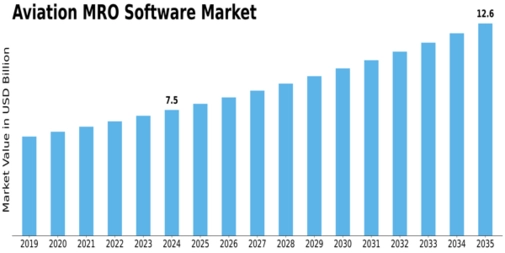
As per Market Research Future analysis, the Aviation MRO Software Market Size was estimated at 45.32 USD Billion in 2024. The Aviation MRO Software industry is projected to grow from 48.4 USD Billion in 2025 to 93.46 USD Billion by 2035, exhibiting a compound annual growth rate (CAGR) of 6.8% during the forecast period 2025 - 2035. Introduction The Aviation MRO Software Market is a...
Dreaming of establishing a thriving online business in Dubai? An eCommerce License in Dubai with visa is your key to unlocking this dynamic market. With Dubai's strategic location, supportive government policies, and tax-friendly environment, it's no wonder aspiring entrepreneurs are flocking to this e-commerce hub. Obtaining an eCommerce license in Dubai is a straightforward process, allowing...