Putting Patients First: How Technology is Reshaping the Pharmaceutical World

For a long time, healthcare often felt like a one-way street. A doctor would diagnose a problem, a pharmaceutical company would provide a pill, and the patient’s main role was simply to follow instructions. While this model saved countless lives, it often overlooked a crucial element: the patient's own experience, preferences, and daily life. Today, that is changing dramatically. A new approach, focused on the patient, is taking over, and technology is the powerful engine making it all possible.
This shift is all about moving the patient from the end of the line to the very center of the healthcare journey. It’s a move from simply treating a disease to caring for the whole person. This means listening to what patients need, understanding their challenges, and designing treatments and support systems that fit into their lives, not the other way around.
What Does It Mean to Be Patient-Centric?
Being patient-centric means that a pharmaceutical company thinks about the patient at every single stage of a medicine's life. It starts long before a drug ever hits the pharmacy shelf. It means asking important questions: What are the biggest daily struggles for someone with this condition? Is the treatment easy to take? What are the side effects that matter most to them? How can we make participating in a clinical trial less of a burden?
The answers to these questions are reshaping the industry. Instead of just creating a powerful molecule, companies are now designing complete care experiences. This might include providing easy-to-read information about a new medication, creating support programs to help patients manage side effects, or developing packaging that is simple for someone with arthritis to open. This shift towards patient centricity in pharma is not just a trend; it's a fundamental change in how medicine is developed and delivered. It recognizes that a medicine is only truly effective if the patient is able and willing to take it as intended, and feels supported throughout their treatment.
Technology: The Engine Driving Patient-First Healthcare
This patient-focused vision would be difficult to achieve without the incredible advancements in technology. Modern tech provides the tools to connect with patients, understand their needs on a deeper level, and deliver personalized support at a scale that was once unimaginable. These technology solutions are transforming the business of healthcare for the better.
Here are some of the key ways technology is making healthcare more patient-centric:
1. Mobile Apps and Wearable Devices: Smartphones are now powerful health tools. Patients can use apps to track their symptoms, set medication reminders, and log how they are feeling each day. Wearable devices, like smartwatches, can monitor heart rate, activity levels, and sleep patterns. This information gives both the patient and their doctor a much clearer picture of their health in the real world, not just during a brief office visit. This empowers patients to take an active role in managing their own condition.
2. Telehealth and Virtual Consultations: The need to travel to a clinic can be a major barrier to care, especially for the elderly, those in rural areas, or people with mobility issues. Telehealth allows patients to connect with healthcare professionals from the comfort of their homes. This not only makes healthcare more accessible but also makes it easier for patients to ask quick questions or get follow-up advice without disrupting their entire day.
3. Online Patient Communities: The internet has made it possible for people with the same health conditions to connect, no matter where they live. These online communities are a powerful source of emotional support and practical advice. Patients can share experiences, discuss coping strategies, and learn from one another. For pharmaceutical companies, these platforms (when monitored ethically) provide invaluable, unfiltered insights into the patient experience.
4. Artificial Intelligence (AI) and Big Data: AI can analyze huge amounts of health information (anonymously) to uncover patterns that would be impossible for humans to see. This can help researchers identify what treatments work best for specific types of patients, leading to more personalized medicine. AI can also help make clinical trials more efficient by identifying the right participants faster, which can speed up the development of new, life-saving drugs.
5. Digital Tools for Clinical Trials: Traditionally, participating in a clinical trial required frequent, time-consuming visits to a hospital. Today, new digital tools are transforming that experience. Patients can use mobile apps to report side effects, complete surveys, and even connect with researchers through video calls. This decentralized model reflects how technology solutions for business are also reshaping healthcare—improving efficiency, expanding access, and enabling more diverse participation, which ultimately leads to higher-quality research data.
6. Personalized Education and Support: Instead of a dense, one-size-fits-all pamphlet, technology allows for customized patient education. A patient might get access to a website with interactive videos about their condition, or use an AI-powered chatbot to get instant answers to common questions about their medication. This ensures patients have the information they need in a format they can easily understand.
In conclusion, the future of pharmaceuticals is one of partnership between companies and patients. By placing the patient at the heart of every decision and using technology to bridge the gaps, the industry is not just creating better medicines, but also building a more supportive, accessible, and effective healthcare system for everyone.
Categorias
- Arts & Entertainment
- Causes
- Crafts
- Dance
- Drinks
- Film
- Health
- Food Trends
- Gaming
- Home & Garden
- Health & Fitness
- Literature
- Music & Concerts
- Networking
- Outro
- Party
- Religion
- Shopping
- Sports
- Theater
- Wellness
- Cryptocurrency
- NFT Trends
- Coin update
- Lifestyle
- Business & Finance
- Entrepreneurship
- Marketing Strategies
- Personal Finance
- Investment Tips
- Industry Trends
- Technology
- Gadgets & Reviews
- Software & Apps
- Cybersecurity
- Emerging Technologies
- How-To Guides
- Educação
- Movie & TV Reviews
- Celebrity News
- Book Reviews
- Personal Development
- Motivation & Inspiration
- Life Hacks
- Community & Culture
- Local Events
- Cultural Insights
- Social Issues
- Interviews & Spotlights
- Volunteering & Activism
- Science & Nature
- Animal Behavior
- Beauty Tips
- Fashion Trends
- Product Reviews
- Food & Drink
- Cooking
- Restaurant Reviews
- Travel
- Arts & Crafts
- Photography
- Workout Routines
- Parenting Tips
- News
- Tips & Tricks
- Case Studies
- Product Reviews
- Interviews
- Opinion
- Research & Insights
- Events Coverage
- Personal Stories
- Avisos
- Trends & Predictions
- Guest Posts
Leia Mais
The popularity of the Indian Premier League (IPL) has grown massively over the years, attracting millions of cricket fans from around the world. Along with the excitement of watching matches, many users now explore online platforms to enhance their experience through betting. This is where IPL betting sites with ID IPL Betting access come into play. These platforms provide users with instant...

"Executive Summary Europe Cocoa Beans Market : Europe cocoa beans market size was valued at USD 5.22 billion in 2023 and is projected to reach USD 9.10 billion by 2031, with a CAGR of 7.2% during the forecast period of 2024 to 2031. For a powerful business growth, companies must take up market research report service which has become quite vital in this rapidly altering marketplace....

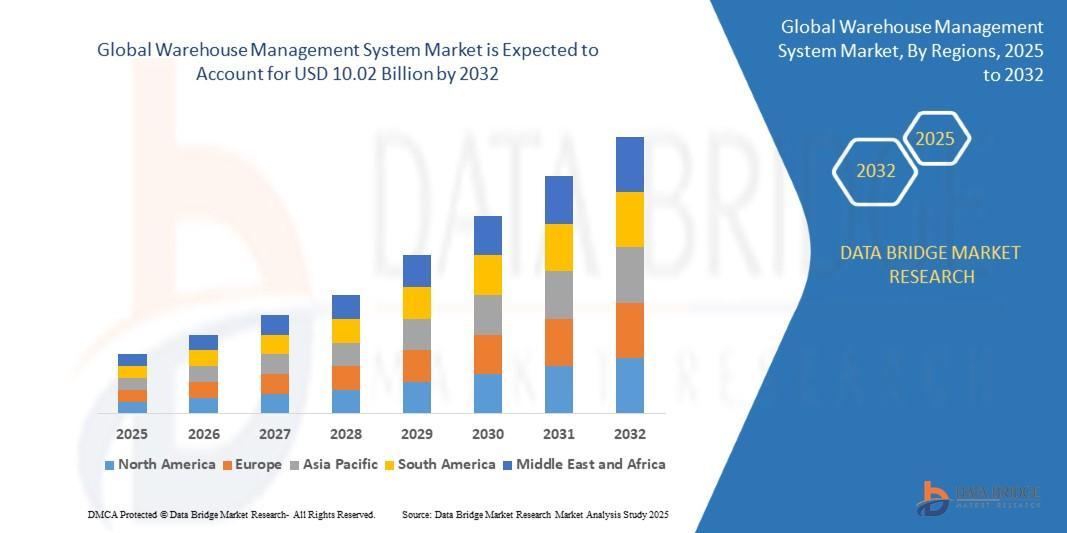
The Warehouse Management System Market sector is undergoing rapid transformation, with significant growth and innovations expected by 2032. In-depth market research offers a thorough analysis of market size, share, and emerging trends, providing essential insights into its expansion potential. The report explores market segmentation and definitions, emphasizing key components and growth...
The Indoor Location Market sector is undergoing rapid transformation, with significant growth and innovations expected by 2028. In-depth market research offers a thorough analysis of market size, share, and emerging trends, providing essential insights into its expansion potential. The report explores market segmentation and definitions, emphasizing key components and growth drivers. Through...

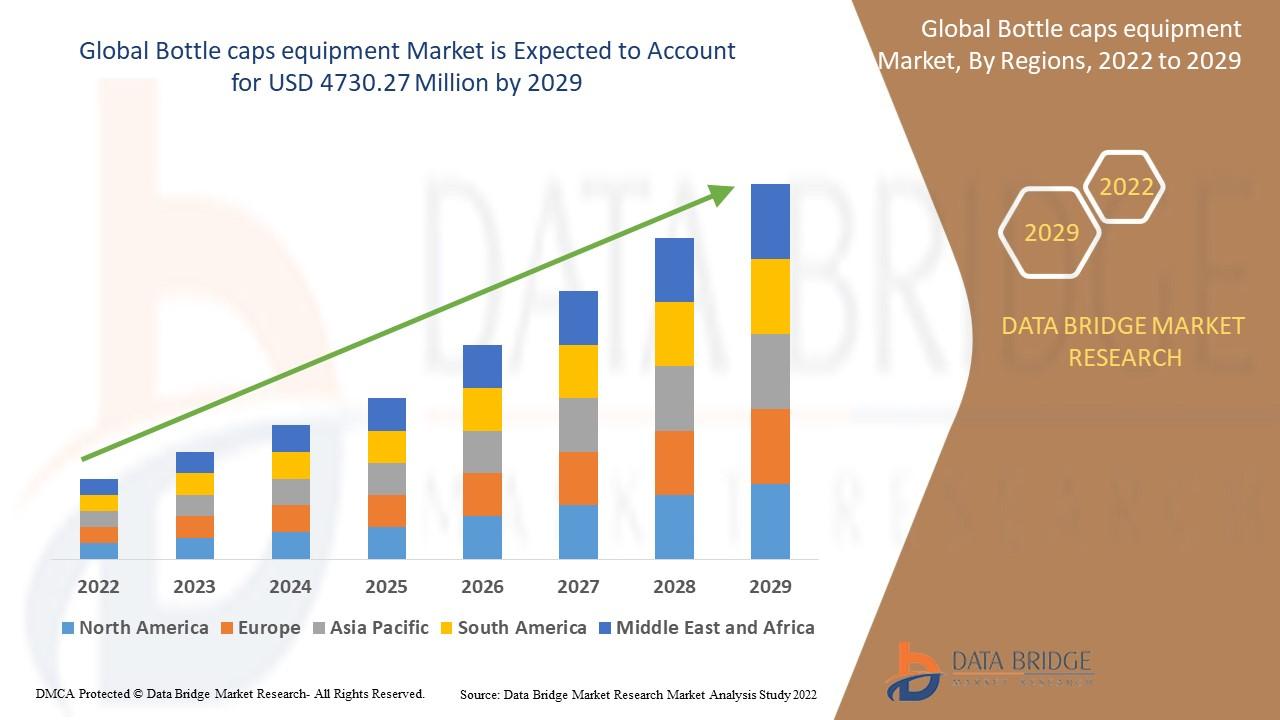
"Market Trends Shaping Executive Summary Bottle Caps Equipment Market Size and Share CAGR Value Data Bridge Market Research analyses that the bottle caps equipment market was valued at USD 3510.00 million in 2021 and is expected to reach USD 4730.27 million by 2029, registering a CAGR of 3.80 % during the forecast period of 2022 to 2029. The Bottle Caps Equipment Market report...