


Developing Communication Skills Through Center-Based ABA Therapy
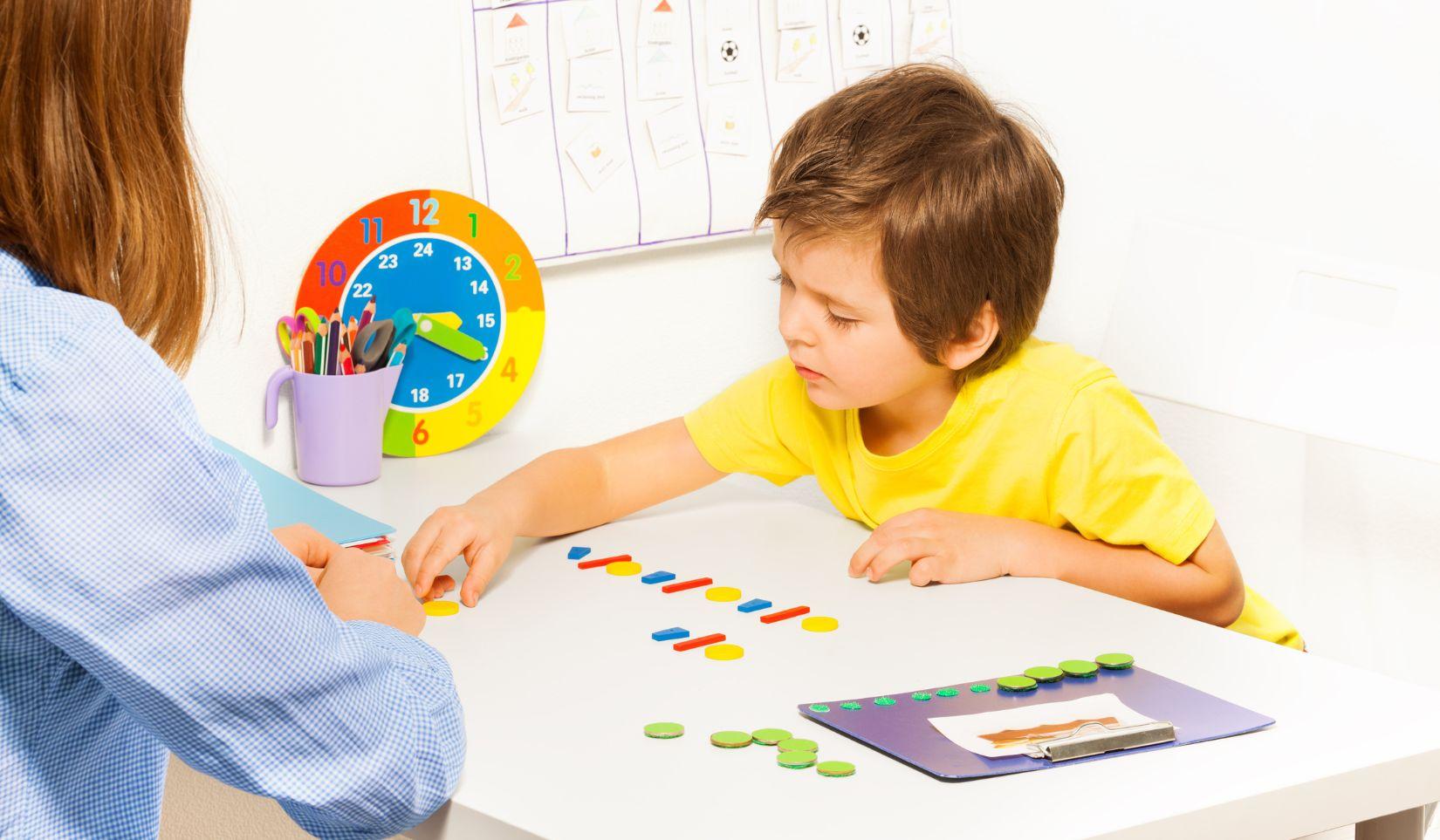
Communication is one of the most important skills a child can learn. It helps them express needs, share ideas, build relationships, and understand the world around them. For many children who need extra support, structured and consistent teaching can make a meaningful difference. Center-based ABA therapy offers a supportive environment where communication skills can grow step by step through individualized plans, guided practice, and positive reinforcement.
This article explores how center-based ABA therapy helps children develop communication abilities and why a structured center setting can be especially effective.
What Is Center-Based ABA Therapy?
Center-based ABA therapy takes place in a dedicated therapy center where trained professionals work closely with children on skill development. Sessions are typically structured, goal-oriented, and customized to each child’s learning style and needs. The center environment allows for consistent routines, access to learning materials, and opportunities to interact with peers and therapists throughout the day.
Communication development is often a primary focus of these programs. Therapists use proven teaching methods to help children learn how to express themselves clearly, understand others, and participate in everyday conversations.
Why Communication Skills Matter
Strong communication skills help children succeed in many areas of life. They allow children to:
-
Express wants and needs clearly
-
Follow directions and understand instructions
-
Participate in group activities
-
Build friendships and relationships
-
Develop confidence and independence
When children struggle to communicate, they may feel frustrated or misunderstood. Center-based ABA therapy works to reduce these challenges by teaching practical and functional communication skills that can be used at home, in school, and in the community.
How Center-Based ABA Therapy Supports Communication
Individualized Assessment and Planning
Every child has unique strengths and challenges. At the beginning of therapy, professionals conduct assessments to understand a child’s current communication abilities. Based on this information, a personalized treatment plan is created with clear goals and measurable outcomes.
These goals may include:
-
Requesting items or help
-
Answering questions
-
Following directions
-
Using complete sentences
-
Participating in conversations
-
Understanding social cues
Therapists continuously track progress and adjust goals as the child develops new skills.
Structured Learning Environment
A center-based setting provides structure and routine, which can support learning and consistency. Children attend sessions at scheduled times and participate in planned activities designed to build communication abilities.
Structured environments help children:
-
Focus on tasks
-
Practice communication regularly
-
Learn through repetition
-
Build confidence with predictable routines
This consistency allows children to practice skills throughout the day in different situations, making it easier to generalize what they learn.
One-on-One Instruction
Individual sessions with trained therapists are a core part of center-based ABA therapy. During one-on-one time, therapists focus on specific communication goals and provide immediate feedback and encouragement.
Techniques used may include:
-
Modeling appropriate language
-
Prompting and guiding responses
-
Reinforcing successful attempts
-
Breaking tasks into small steps
This individualized attention ensures that each child receives support tailored to their learning pace and style.
Group Learning Opportunities
In addition to individual sessions, center-based therapy often includes small group activities. These group settings provide valuable opportunities for children to practice communication with peers in a safe and supportive environment.
Group activities may involve:
-
Turn-taking games
-
Cooperative play
-
Storytime discussions
-
Structured conversations
These experiences help children learn how to initiate conversations, respond to others, and participate in social interactions.
Use of Positive Reinforcement
Positive reinforcement is a key part of ABA therapy. When children use communication skills successfully, therapists provide praise, rewards, or encouragement. This helps motivate children to continue practicing and improves learning outcomes.
Reinforcement can include:
-
Verbal praise
-
Stickers or tokens
-
Preferred activities
-
Celebrating progress
Over time, children learn that effective communication leads to positive outcomes, making them more likely to use these skills in everyday situations.
Teaching Functional Communication
Center-based ABA therapy focuses on functional communication, meaning skills that are useful in daily life. Instead of memorizing words or phrases, children learn how to communicate for real-life purposes.
Examples of functional communication include:
-
Asking for help
-
Requesting a favorite item
-
Saying “all done” or “break”
-
Answering simple questions
-
Greeting others
-
Expressing feelings
These practical skills help children navigate daily routines and interactions more independently.
Collaboration with Families
Family involvement is an important part of communication development. Many centers provide parent training and regular updates so families can support learning at home. Therapists may share strategies, progress reports, and suggestions for reinforcing skills outside of therapy sessions.
When families and therapists work together, children have more opportunities to practice communication in different environments. This consistency can lead to stronger and more lasting progress.
Preparing for School and Social Settings
Communication skills learned in center-based ABA therapy can help children prepare for school and other group settings. Being able to follow instructions, ask questions, and interact with peers makes classroom participation easier and more enjoyable.
Therapists often work on:
-
Listening and responding
-
Participating in group activities
-
Following routines
-
Asking for clarification
-
Sharing and taking turns
These skills help children feel more confident when transitioning to new environments.
Tracking Progress and Celebrating Success
One of the strengths of center-based ABA therapy is the focus on measurable progress. Therapists collect data during sessions to monitor improvements and identify areas that need more support. This data-driven approach ensures that therapy remains effective and goal-oriented.
Progress may be gradual, but every step forward is meaningful. Celebrating small achievements helps build confidence and keeps children motivated to continue learning.
Long-Term Benefits of Communication Development
Developing strong communication skills can have lasting benefits. As children learn to express themselves and understand others, they gain greater independence and confidence. They are better able to participate in family activities, school routines, and social interactions.
Over time, improved communication can lead to:
-
Stronger relationships
-
Increased participation in activities
-
Greater independence
-
Improved emotional expression
-
Enhanced learning opportunities
Center-based ABA therapy provides the structure, support, and guidance needed to help children build these important skills.
If you’re looking for ABA therapists in Missouri City, TX, we offer personalized, professional ABA therapy services to support communication, behavior, and daily living skills in a caring and structured environment.
Conclusion
Communication is a vital life skill that supports learning, relationships, and independence. Center-based ABA therapy offers a structured and supportive environment where children can develop communication abilities through individualized plans, guided practice, and positive reinforcement.
With the help of trained professionals and family involvement, children can make meaningful progress in expressing themselves and understanding others. Over time, these skills can open doors to new opportunities, stronger connections, and greater confidence in everyday life.
Kategorien
- Arts & Entertainment
- Causes
- Crafts
- Dance
- Drinks
- Film
- Health
- Food Trends
- Gaming
- Home & Garden
- Health & Fitness
- Literature
- Music & Concerts
- Networking
- Andere
- Party
- Religion
- Shopping
- Sports
- Theater
- Wellness
- Cryptocurrency
- NFT Trends
- Coin update
- Lifestyle
- Business & Finance
- Entrepreneurship
- Marketing Strategies
- Personal Finance
- Investment Tips
- Industry Trends
- Technology
- Gadgets & Reviews
- Software & Apps
- Cybersecurity
- Emerging Technologies
- How-To Guides
- Ausbildung
- Movie & TV Reviews
- Celebrity News
- Book Reviews
- Personal Development
- Motivation & Inspiration
- Life Hacks
- Community & Culture
- Local Events
- Cultural Insights
- Social Issues
- Interviews & Spotlights
- Volunteering & Activism
- Science & Nature
- Animal Behavior
- Beauty Tips
- Fashion Trends
- Product Reviews
- Food & Drink
- Cooking
- Restaurant Reviews
- Travel
- Arts & Crafts
- Photography
- Workout Routines
- Parenting Tips
- News
- Tips & Tricks
- Case Studies
- Product Reviews
- Interviews
- Opinion
- Research & Insights
- Events Coverage
- Personal Stories
- Ankündigungen
- Trends & Predictions
- Guest Posts
Mehr lesen
"Executive Summary Archery Equipment Market Trends: Share, Size, and Future Forecast The global archery equipment market was valued at USD 2.56 billion in 2024 and is expected to reach USD 4.08 billion by 2032. During the forecast period of 2025 to 2032 the market is likely to grow at a CAGR of 6.00%, primarily driven by rising popularity of archery...

Financial markets increasingly rely on automation, digital platforms, and data intelligence to interpret economic conditions. Advanced analytics now guide investment decisions, enabling stakeholders to understand complex valuation signals and behavioral trends. This technological evolution is reshaping how industries plan growth strategies and manage competitive pressures. As per MRFR analysis,...

"Posaconazole Market Size And Forecast by 2032 The global posaconazole market size was valued at USD 613.48 million in 2024 and is projected to reach USD 941.50 million by 2032, with a CAGR of 5.50% during the forecast period of 2025 to 2032. The growth trajectory of the Posaconazole Market is shaped by various drivers, including technological advancements, favorable regulatory...
IntroductionIn a world that’s becoming increasingly digital, human interaction has found a new form — through online chats. One of the most exciting ways people connect today is via free random chat platforms like TalkWithStranger.com. It’s fast, simple, and a refreshing way to meet people worldwide. Whether you want to share ideas, discuss life, or just have a lighthearted...

Generative AI consulting companies help businesses harness the creative power of AI to generate content, automate tasks, and develop intelligent systems. Generative AI consulting companies specialize in guiding organizations through model selection, data preparation, fine-tuning, and implementation of generative models like GPT and diffusion networks. Services often include synthetic content...
