


15 advancements in artificial intelligence for 2026 embryology labs
In the first quarter of 2026, the integration of deep learning algorithms into the daily workflow of embryologists has shifted from a novel concept to a clinical necessity. New AI platforms are now capable of analyzing millions of time-lapse images to identify subtle developmental cues invisible to the human eye, such as the exact timing of the second polar body extrusion. These insights are allowing labs in North America and Southeast Asia to optimize incubator conditions in real-time, tailoring the atmosphere to the specific kinetic needs of each developing blastocyst.
Predictive modeling for stimulation cycles
AI is not limited to the laboratory; it is also revolutionizing the clinical management of ovarian stimulation. By 2026, predictive models use a patient’s historical hormone levels, BMI, and genetic markers to forecast how they will respond to specific dosages of FSH and LH. This data-driven approach minimizes the risk of Ovarian Hyperstimulation Syndrome (OHSS) while maximizing the yield of mature oocytes. Clinicians are leveraging fertility services market data to refine these algorithms, ensuring that individualized care becomes the standard for all stimulated cycles.
Automation of routine lab tasks
2026 has seen the widespread adoption of robotic workstations for oocyte denudation and embryo vitrification. These automated systems provide a level of consistency that manual processing cannot match, eliminating the "human factor" in delicate procedures. By freeing up embryologists from repetitive tasks, AI-driven automation allows these professionals to focus on high-level diagnostic interpretation and patient consultation, ultimately improving the overall throughput and success rates of large-scale fertility clinics.
Enhancing sperm selection for ICSI
Male factor infertility is benefiting significantly from AI-assisted sperm selection in 2026. High-throughput imaging systems can now analyze sperm motility and morphology in three dimensions, selecting the most viable sperm for Intracytoplasmic Sperm Injection (ICSI) in seconds. This technology is particularly valuable for patients with severe oligospermia, where finding a single healthy sperm can be the difference between a successful fertilization and a failed cycle. This precision-based approach is now being piloted in several national research hospitals across India as part of a broader push for affordable, high-tech healthcare.
Ethical frameworks for AI in reproduction
The rapid advancement of AI in 2026 has prompted international regulatory bodies to establish clear ethical guidelines. These frameworks focus on transparency, requiring that patients be informed when AI is used in the selection or diagnostic process. Furthermore, there is a strong emphasis on data security, ensuring that the vast amounts of genomic and morphokinetic data processed by these systems are protected against unauthorized access. As these technologies become more pervasive, the focus remains on using AI as a supportive tool that enhances, rather than replaces, human clinical judgment.
Trending news 2026: Why data is the new superpower in the embryology lab
- 3D holographic projections used for real-time surgical training in 2026
- Cloud-based hospital systems integrate fertility data for holistic care
- HGH supplementation protocols for poor ovarian responders updated in 2026
- Urogenital imaging advancements detect subtle barriers to conception
- Environmental toxin research links air quality to reproductive success rates
- New screening tools for muscular disorders added to pre-IVF panels
- The gut-fertility axis: New probiotics show promise in pilot clinical trials
- High-speed analyzers cut hormone testing turnaround to under 30 minutes
- Ergonomic lab design reduces repetitive strain for clinical embryologists
- Smart injectors for IVF drugs improve patient compliance and dosing accuracy
Thanks for Reading — Stay tuned as we monitor how AI continues to turn complex developmental data into higher success rates for patients.
Kategorien
- Arts & Entertainment
- Causes
- Crafts
- Dance
- Drinks
- Film
- Health
- Food Trends
- Gaming
- Home & Garden
- Health & Fitness
- Literature
- Music & Concerts
- Networking
- Andere
- Party
- Religion
- Shopping
- Sports
- Theater
- Wellness
- Cryptocurrency
- NFT Trends
- Coin update
- Lifestyle
- Business & Finance
- Entrepreneurship
- Marketing Strategies
- Personal Finance
- Investment Tips
- Industry Trends
- Technology
- Gadgets & Reviews
- Software & Apps
- Cybersecurity
- Emerging Technologies
- How-To Guides
- Ausbildung
- Movie & TV Reviews
- Celebrity News
- Book Reviews
- Personal Development
- Motivation & Inspiration
- Life Hacks
- Community & Culture
- Local Events
- Cultural Insights
- Social Issues
- Interviews & Spotlights
- Volunteering & Activism
- Science & Nature
- Animal Behavior
- Beauty Tips
- Fashion Trends
- Product Reviews
- Food & Drink
- Cooking
- Restaurant Reviews
- Travel
- Arts & Crafts
- Photography
- Workout Routines
- Parenting Tips
- News
- Tips & Tricks
- Case Studies
- Product Reviews
- Interviews
- Opinion
- Research & Insights
- Events Coverage
- Personal Stories
- Ankündigungen
- Trends & Predictions
- Guest Posts
Mehr lesen
Ferrite Beads Market, valued at USD 641 million in 2024, is on a trajectory of significant expansion, projected to reach USD 1042 million by 2032. This growth, representing a compound annual growth rate (CAGR) of 7.4%, is detailed in a comprehensive new report published by Semiconductor Insight. The study highlights the indispensable role these components play in ensuring the...

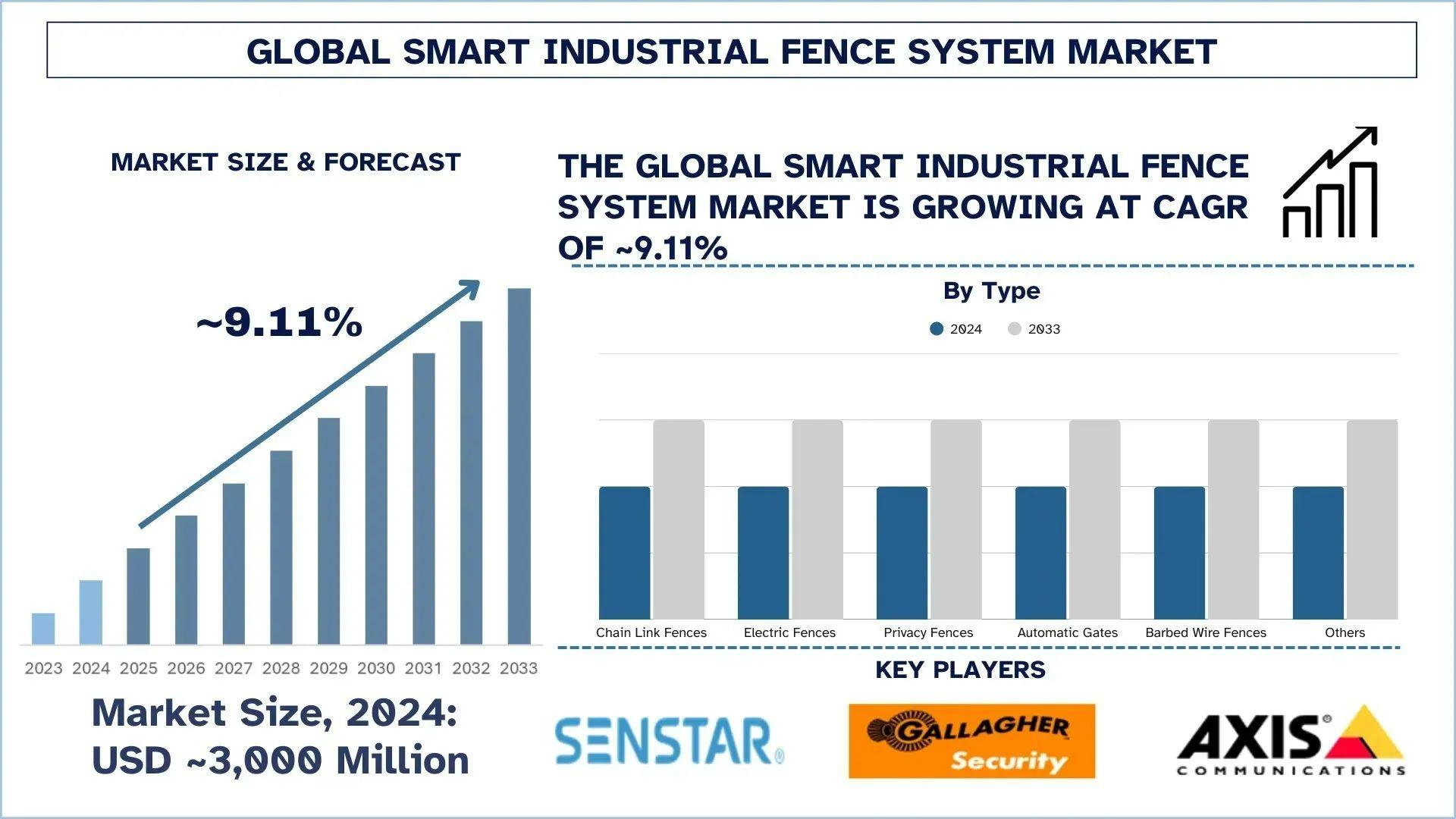
According to a new report by UnivDatos, The Smart Industrial Fence System Market is expected to reach USD million in 2033 by growing at a CAGR of ~9.11%. The smart industrial fence system market shows a global shift toward smart and connected perimeter security solutions. Industries are adopting these systems to strengthen defenses against intrusion and sabotage. Smart fencing...
ในตลาดบุหรี่ไฟฟ้า relx ยังคงเป็นแบรนด์ที่มีฐานผู้ใช้กว้างขวาง ด้วยความน่าเชื่อถือและบริการหลังการขายที่มีมาตรฐาน ทำให้ผู้ใช้ใหม่หลายคนเลือกที่จะเริ่มต้นกับแบรนด์นี้ ก่อนตัดสินใจซื้อควรศึกษาข้อดีข้อเสียของแต่ละรุ่นให้ละเอียด ขณะที่แบรนด์ เยว่เค่อ ก็เป็นคู่แข่งสำคัญที่มาแรงไม่แพ้กัน ด้วยราคาที่เข้าถึงง่ายและนวัตกรรมที่ทันสมัย...
"Executive Summary: The global ophthalmic knives market size was valued at USD 2.24 billion in 2024 and is projected to reach USD 3.02 billion by 2032, with a CAGR of 3.80% during the forecast period of 2025 to 2032. In addition to the insights on market scenarios such as market value, growth rate, segmentation, geographical coverage, and major players, the market reports curated by the...
The Pramoxine Market sector is undergoing rapid transformation, with significant growth and innovations expected by 2029. In-depth market research offers a thorough analysis of market size, share, and emerging trends, providing essential insights into its expansion potential. The report explores market segmentation and definitions, emphasizing key components and growth drivers....