Superficial, Medium, or Deep? Selecting the Best Peel Depth for Your Skin
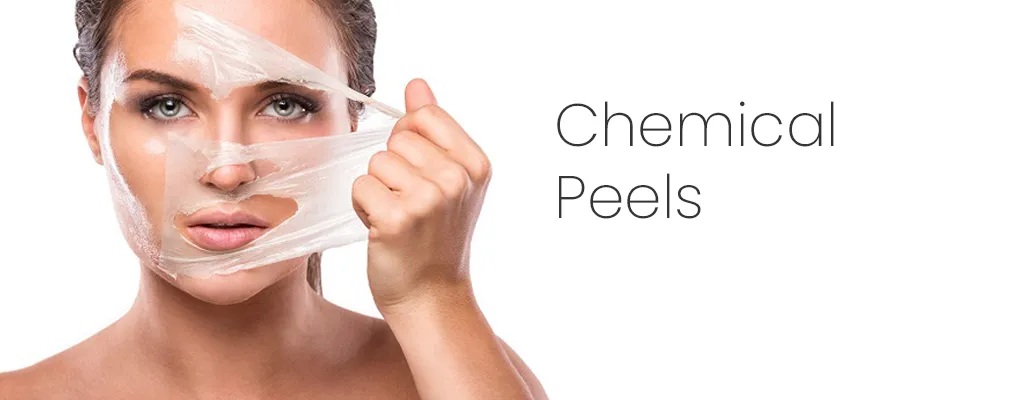
Chemical peels are a highly sought-after skin resurfacing technique used to improve the texture and appearance of the skin on the face, neck, and hands. In the heart of the Kingdom’s capital, Chemical Peels in Riyadh(التقشير الكيميائي في الرياض) have become a staple for individuals looking to combat the effects of sun damage, acne scarring, and the natural aging process. By applying a specialized chemical solution, the outer layers of damaged skin are carefully exfoliated and eventually peel away, making way for a fresh, regenerated layer of skin that is typically smoother and more evenly toned. In Riyadh’s specific climate—where high temperatures and intense UV radiation are common—the choice of peel and the subsequent aftercare are critical to achieving a radiant, youthful glow safely.
The Three Tiers of Chemical Resurfacing
Choosing the right peel depth is a balance between your skin concerns, your lifestyle, and your tolerance for recovery. In Riyadh’s aesthetic market, treatments are categorized into three distinct levels of penetration.
1. Superficial (Light) Peels: The "Glow and Go" Treatment
Superficial peels are the most common choice for those seeking a quick refresh. These peels only penetrate the epidermis (the outermost layer of the skin).
-
Common Acids: Glycolic acid, Salicylic acid, Lactic acid, or Mandelic acid.
-
Best For: Treating mild acne, fine lines, dryness, and uneven skin tone.
-
Riyadh Lifestyle: These are popular because they require virtually no downtime. You may experience some mild flaking similar to a dry patch, but you can usually return to work or social activities immediately.
-
Investment: Often performed in a series of 3 to 6 sessions for cumulative results.
2. Medium-Depth Peels: Targeted Correction
Medium peels go a step further, reaching through the epidermis and into the upper part of the middle skin layer (dermis).
-
Common Acids: Trichloroacetic acid (TCA) (usually 20%–35%) or Jessner’s solution.
-
Best For: Stubborn hyperpigmentation, moderate acne scars, and noticeable wrinkles.
-
Riyadh Lifestyle: This depth requires a "social downtime" of about 7 to 10 days. The skin will typically turn brown and crusty before peeling away in larger flakes. It is the preferred choice for residents dealing with moderate sun damage from the harsh Nejd sun.
3. Deep Peels: Total Transformation
Deep peels are intensive medical procedures that penetrate the lower dermal layers.
-
Common Agents: Phenol or high-strength TCA.
-
Best For: Severe sun damage, deep-set wrinkles, and significant scarring.
-
Riyadh Lifestyle: Due to the risk of complications and the intense sun in the region, deep peels are less common and require strict medical supervision. Recovery can take 14 to 21 days, and the results are dramatic, often lasting for years.
Matching Depth to Your Skin Type (The Fitzpatrick Scale)
In Riyadh, professional consultations focus heavily on the Fitzpatrick Skin Phototype. This is a classification system that describes how different skin types respond to UV light and chemical agents.
-
Types I–III (Fair to Olive): Generally suitable for all peel depths. However, fair skin is more prone to prolonged redness after a deep peel.
-
Types IV–VI (Light Brown to Dark Brown): Common in the Middle East, these skin types require caution. Deeper peels can trigger Post-Inflammatory Hyperpigmentation (PIH), where the skin heals with dark patches. Specialists often recommend multiple superficial or "designer" medium peels rather than one deep peel to ensure safety.
Comparing the Depths at a Glance
| Feature | Superficial Peel | Medium Peel | Deep Peel |
| Penetration | Epidermis only | Epidermis + Upper Dermis | Mid-Dermis |
| Primary Goal | Brightening & Texture | Pigment & Fine Lines | Deep Wrinkles & Scars |
| Downtime | 0 – 2 days | 7 – 10 days | 14 – 21 days |
| Anesthesia | None | Topical numbing/Sedation | Sedation/Local Anesthetic |
| Frequency | Every 2–4 weeks | Every 6–12 months | Once in a lifetime/Few years |
Selecting Your Best Option
When choosing your depth in Riyadh, consider the following checklist:
-
What is your primary concern? If it is just "dullness," stick to superficial. If you have "sun spots," go for medium.
-
Can you stay indoors? Medium and deep peels require you to stay out of the sun entirely for several days. If your job involves outdoor site visits, a series of light peels is safer.
-
Are you preparing for an event? Never do a medium or deep peel within 3 weeks of a major event. Superficial peels should be done 5–7 days before.
Conclusion
Selecting the best peel depth is not about finding the "strongest" acid, but the one that fits your skin’s biology and your ability to manage the recovery. By understanding the difference between a light refresh and a deep resurfacing, you can work with your specialist to create a plan that delivers a clearer, more youthful complexion without unnecessary risks.
Categories
- Arts & Entertainment
- Causes
- Crafts
- Dance
- Drinks
- Film
- Health
- Food Trends
- Gaming
- Home & Garden
- Health & Fitness
- Literature
- Music & Concerts
- Networking
- Other
- Party
- Religion
- Shopping
- Sports
- Theater
- Wellness
- Cryptocurrency
- NFT Trends
- Coin update
- Lifestyle
- Business & Finance
- Entrepreneurship
- Marketing Strategies
- Personal Finance
- Investment Tips
- Industry Trends
- Technology
- Gadgets & Reviews
- Software & Apps
- Cybersecurity
- Emerging Technologies
- How-To Guides
- Education
- Movie & TV Reviews
- Celebrity News
- Book Reviews
- Personal Development
- Motivation & Inspiration
- Life Hacks
- Community & Culture
- Local Events
- Cultural Insights
- Social Issues
- Interviews & Spotlights
- Volunteering & Activism
- Science & Nature
- Animal Behavior
- Beauty Tips
- Fashion Trends
- Product Reviews
- Food & Drink
- Cooking
- Restaurant Reviews
- Travel
- Arts & Crafts
- Photography
- Workout Routines
- Parenting Tips
- News
- Tips & Tricks
- Case Studies
- Product Reviews
- Interviews
- Opinion
- Research & Insights
- Events Coverage
- Personal Stories
- Announcements
- Trends & Predictions
- Guest Posts
Read More
If you're in Houston and craving the best hot wings, Atomic Wings is the place to be. With its unbeatable blend of spice, flavor, and quality, this wing spot stands out as one of the most beloved destinations for hot wings in Houston. Whether you're a spice enthusiast or just looking for something bold and savory, Atomic Wings promises an unforgettable dining experience. Why Choose Atomic Wings...
Christians in Pakistan are a religious minority who have contributed significantly to the country’s education, healthcare, and social development. Despite their contributions, many face discrimination, social marginalization, and persecution because of their faith. Awareness about their struggles is essential for promoting human rights and equality. Who Are Persecuted Christians?...

The Gas Mixture Market shows diverse regional growth patterns driven by industrialization, healthcare expansion, and environmental policies. Asia-Pacific leads in manufacturing and electronics demand, while Europe’s stringent environmental regulations spur growth in high-purity and specialty blends. North America continues to invest in medical and food-grade gases to support...

"Polyethylene Terephthalate (PET) Bottle Market – Industry Trends and Forecast to 2030 Global Polyethylene Terephthalate (PET) Bottle Market, By Type (Virgin, Recycled), Capacity (High, Medium, Low), Distribution Channel (Business to Business, Retail), Color (Transparent, Colored), Technology (Stretch Blow Molding, Injection Molding, Extrusion Blow Molding, Thermoforming, Other),...
Korean fashion has captivated the world with its understated elegance, playful details, and innovative silhouettes. If you’ve ever admired the chic yet effortless style of Korean celebrities or wanted to capture the spirit of Seoul’s vibrant street fashion, authentic Korean dresses are the perfect place to start. At Jaey Shop, you’ll find a carefully curated collection of...