
How laser technology works for permanent tattoo removal
Laser tattoo removal is a scientifically advanced process that uses focused light energy to break down unwanted tattoo ink in the skin so the body can naturally eliminate it over time. Understanding how laser technology works for permanent tattoo removal helps set realistic expectations and explains why multiple sessions are usually required for safe and effective results. Permanent tattoo removal in Riyadh offers a safe and effective way to fade unwanted tattoos while supporting healthier, clearer-looking skin over time.
At the core of laser tattoo removal is a principle called selective photothermolysis. This means the laser is designed to target specific colors of tattoo ink while minimizing damage to the surrounding skin. Tattoo ink particles sit deep within the dermis, the second layer of skin, where they are too large for the body’s immune system to remove on its own. Laser energy changes that by breaking these particles into much smaller fragments.
During a treatment session, the laser emits very short pulses of high-intensity light. Each pulse lasts only a fraction of a second, but it carries enough energy to penetrate the skin and reach the ink. The laser wavelength is chosen based on the color of the tattoo ink, because different colors absorb different wavelengths of light. When the ink absorbs the laser energy, it heats up rapidly and shatters into microscopic particles.
Once the ink particles are broken down, the body takes over. The immune system recognizes the tiny fragments as waste and gradually clears them away through the lymphatic system. This natural elimination process is why tattoo removal is not immediate. Fading occurs slowly over weeks after each session as the body continues to flush out the disrupted ink particles.
Different laser technologies are used in tattoo removal, with Q-switched and picosecond lasers being the most common. Q-switched lasers have been used for many years and deliver energy in nanosecond pulses. These pulses are effective at breaking down ink and are still widely used, especially for darker colors like black and dark blue. Picosecond lasers are a newer advancement and emit energy in even shorter pulses, measured in picoseconds. Because the pulses are shorter, they create more of a photoacoustic effect rather than just heat, which can break ink into even finer particles and potentially reduce the number of sessions needed.
Color plays a major role in how laser tattoo removal works. Black ink is the easiest to remove because it absorbs all laser wavelengths efficiently. Dark blue and dark green also respond well to treatment. Lighter colors such as yellow, white, and pastel shades are more challenging because they reflect more light and absorb less laser energy. Some tattoos use multiple ink colors, which means different laser settings or wavelengths may be required during the same session to target each color effectively.
Skin type is another important factor in how laser technology works for tattoo removal. The laser must distinguish between tattoo ink and natural skin pigment, known as melanin. In darker skin tones, there is more melanin present, which can also absorb laser energy. This increases the risk of side effects such as pigmentation changes if not handled carefully. Modern laser systems and experienced practitioners adjust energy levels and wavelengths to improve safety across a wide range of skin tones.
The depth and density of the tattoo also influence the process. Professional tattoos are usually placed deeper in the dermis and contain more concentrated ink, making them harder to remove than amateur tattoos. Older tattoos may fade faster because some ink has already been naturally broken down over time. Newer tattoos often require more sessions because the ink is still dense and intact.
Laser tattoo removal is performed over multiple sessions spaced several weeks apart. This spacing allows the skin to heal and gives the immune system enough time to remove the fragmented ink before the next treatment. Treating the tattoo too frequently does not speed up results and may increase the risk of skin damage.
While laser technology is highly effective, it does not always guarantee complete removal in every case. Some ink colors or formulations may leave faint shadows or ghost images even after many sessions. However, modern laser systems have made permanent tattoo removal safer, more precise, and more successful than ever before.
In summary, laser tattoo removal works by delivering targeted light energy into the skin to break tattoo ink into tiny particles that the body can naturally eliminate. Advances in laser technology, including improved wavelengths and ultra-short pulse durations, have significantly improved outcomes while reducing risks. Understanding this process helps individuals approach tattoo removal with realistic expectations and confidence in the science behind the treatment.
Categories
- Arts & Entertainment
- Causes
- Crafts
- Dance
- Drinks
- Film
- Health
- Food Trends
- Gaming
- Home & Garden
- Health & Fitness
- Literature
- Music & Concerts
- Networking
- Other
- Party
- Religion
- Shopping
- Sports
- Theater
- Wellness
- Cryptocurrency
- NFT Trends
- Coin update
- Lifestyle
- Business & Finance
- Entrepreneurship
- Marketing Strategies
- Personal Finance
- Investment Tips
- Industry Trends
- Technology
- Gadgets & Reviews
- Software & Apps
- Cybersecurity
- Emerging Technologies
- How-To Guides
- Education
- Movie & TV Reviews
- Celebrity News
- Book Reviews
- Personal Development
- Motivation & Inspiration
- Life Hacks
- Community & Culture
- Local Events
- Cultural Insights
- Social Issues
- Interviews & Spotlights
- Volunteering & Activism
- Science & Nature
- Animal Behavior
- Beauty Tips
- Fashion Trends
- Product Reviews
- Food & Drink
- Cooking
- Restaurant Reviews
- Travel
- Arts & Crafts
- Photography
- Workout Routines
- Parenting Tips
- News
- Tips & Tricks
- Case Studies
- Product Reviews
- Interviews
- Opinion
- Research & Insights
- Events Coverage
- Personal Stories
- Announcements
- Trends & Predictions
- Guest Posts
Read More
In todays expansive landscape of digital leisure, cricket fans have started tapping a novel feature-the Online Cricket ID Jackpot room. These platfrom allow users to catch each ball with the same strength they would at a stadium, while also sliding in eye-catching rewards, bonuses, that hit the headlines. Many new users still wonder what an online cricket betting ID actually is, how it...
Aging is a natural process that often brings wrinkles, fine lines, and sagging skin. Many are now turning to innovative solutions like peptides to combat these signs of aging. For those seeking advanced options in peptide saudi arabia, understanding how these molecules work can make all the difference. Peptides are short chains of amino acids that signal skin cells to produce collagen, elastin,...
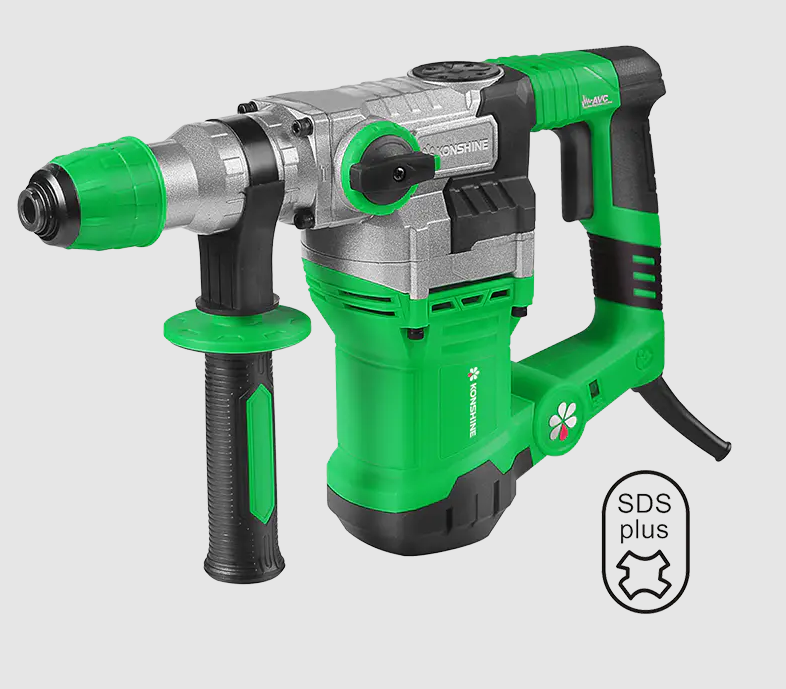
The electric breaker hammer is a powerful tool that has earned its place in the construction industry due to its versatility and efficiency. It is designed to tackle a wide range of tasks, from breaking and chiseling to demolition and excavation, making it an indispensable piece of equipment for many construction projects. One of the key features of the electric breaker hammer is its powerful...
Regional Overview of Executive Summary Digital Camera Market by Size and Share The global digital camera market size was valued at USD 8.92 billion in 2024 and is projected to reach USD 12.40 billion by 2032, with a CAGR of 4.21% during the forecast period of 2025 to 2032. This Digital Camera report helps you to be there on the right track by making you focus on the data and...

The Vitiligo Treatment Market is evolving at varying speeds across global regions, shaped by healthcare infrastructure, regulatory ecosystems, and patient awareness. Developed regions such as North America and Europe benefit from strong dermatology research networks, reimbursement frameworks, and widespread adoption of advanced treatment modalities. In contrast, emerging regions show growing...