


Bone Marrow Transplant Vs Stem Cell Transplant
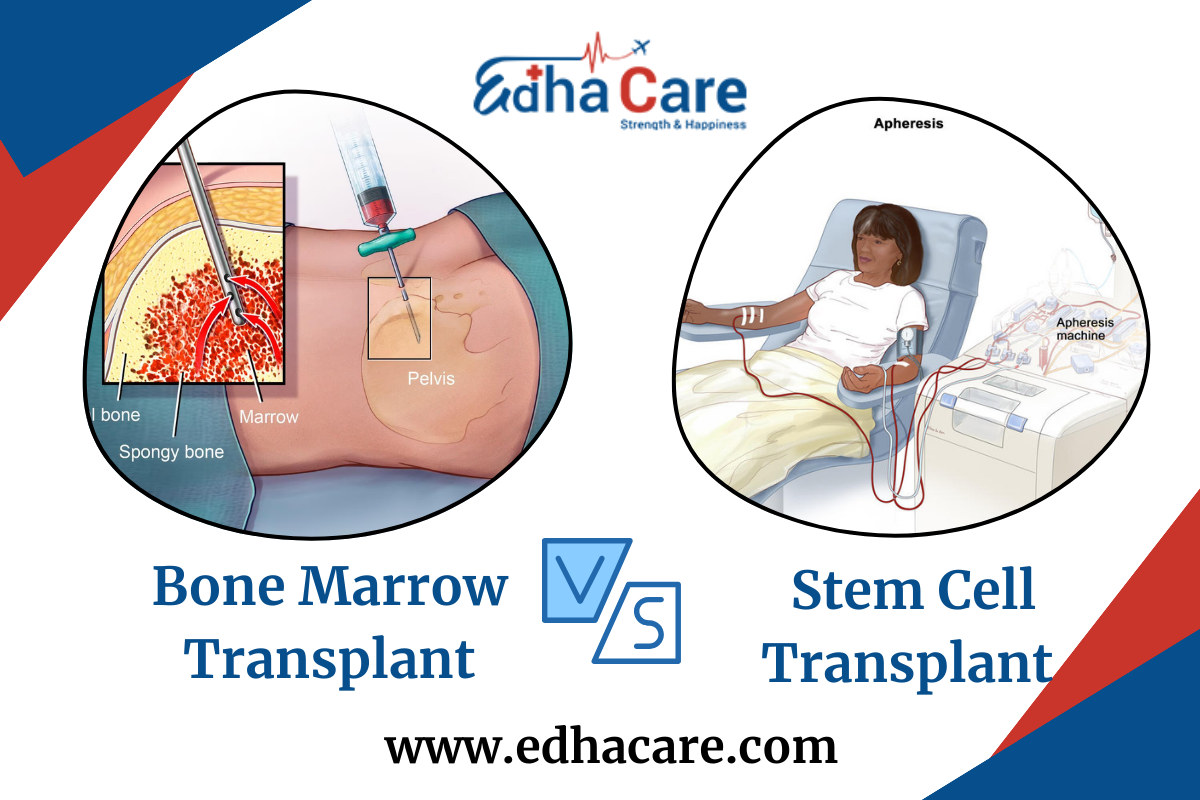
Bone marrow transplants are commonly used to treat conditions like leukemia, lymphoma, aplastic anemia, and certain inherited blood disorders. In this procedure, healthy bone marrow is collected from a donor or the patient themselves and then infused into the patient after high-dose chemotherapy or radiation therapy.
A Bone Marrow Transplant (BMT) is a medical procedure in which damaged or diseased bone marrow is replaced with healthy bone marrow cells. Bone marrow is the soft, spongy tissue found inside bones and is responsible for producing blood cells such as red blood cells, white blood cells, and platelets.
What Is a Stem Cell Transplant?
A Stem Cell Transplant (SCT) involves replacing damaged bone marrow using healthy stem cells. These stem cells can be collected from bone marrow, peripheral blood, or umbilical cord blood. Because stem cells have the ability to develop into different types of blood cells, they help restore the bone marrow’s normal function.
Stem cell transplants are widely used in the treatment of blood cancers, immune system disorders, and genetic diseases. Today, most transplants are stem cell transplants collected from peripheral blood rather than directly from bone marrow.
Bone Marrow Transplant Vs Stem Cell Transplant: Key Differences
The main difference in Bone Marrow Transplant Vs Stem Cell Transplant lies in the source of the cells:
- In a bone marrow transplant, stem cells are collected directly from the bone marrow.
- In a stem cell transplant, stem cells are usually collected from the bloodstream or cord blood.
Although both procedures aim to replace unhealthy bone marrow, stem cell transplants often lead to faster recovery of blood counts and a shorter hospital stay.
Types of Bone Marrow and Stem Cell Transplants
Both treatments can be categorized into the following types:
- Autologous Transplant: The patient’s own stem cells are used.
- Allogeneic Transplant: Stem cells are taken from a matched donor.
- Syngeneic Transplant: Stem cells are obtained from an identical twin.
These types apply to both bone marrow and stem cell transplants, depending on the patient’s condition and donor availability.
Conditions Treated with Bone Marrow and Stem Cell Transplants
Doctors recommend these transplants for a variety of serious conditions, including:
- Leukemia
- Lymphoma
- Multiple myeloma
- Aplastic anemia
- Thalassemia
- Sickle cell anemia
- Immune deficiency disorders
Risks and Side Effects
Like any major medical procedure, both treatments carry risks. Common side effects include infections, fatigue, nausea, and hair loss. In allogeneic transplants, there is also a risk of graft-versus-host disease (GVHD), where the donor cells attack the recipient’s body.
Which Is Better: Bone Marrow Transplant or Stem Cell Transplant?
There is no universal answer in the Bone Marrow Transplant Vs Stem Cell Transplant debate. The choice depends on factors such as the patient’s diagnosis, age, overall health, donor availability, and the doctor’s recommendation. In many modern treatments, stem cell transplants are preferred due to quicker engraftment and recovery.
Conclusion
In summary, Bone Marrow Transplant Vs Stem Cell Transplant is not a matter of one being completely different from the other. Both are forms of stem cell transplantation, with the primary difference being how the stem cells are collected. Understanding these differences helps patients make informed decisions and prepares them better for treatment.
Categorie
- Arts & Entertainment
- Causes
- Crafts
- Dance
- Drinks
- Film
- Health
- Food Trends
- Gaming
- Home & Garden
- Health & Fitness
- Literature
- Music & Concerts
- Networking
- Altre informazioni
- Party
- Religion
- Shopping
- Sports
- Theater
- Wellness
- Cryptocurrency
- NFT Trends
- Coin update
- Lifestyle
- Business & Finance
- Entrepreneurship
- Marketing Strategies
- Personal Finance
- Investment Tips
- Industry Trends
- Technology
- Gadgets & Reviews
- Software & Apps
- Cybersecurity
- Emerging Technologies
- How-To Guides
- Formazione
- Movie & TV Reviews
- Celebrity News
- Book Reviews
- Personal Development
- Motivation & Inspiration
- Life Hacks
- Community & Culture
- Local Events
- Cultural Insights
- Social Issues
- Interviews & Spotlights
- Volunteering & Activism
- Science & Nature
- Animal Behavior
- Beauty Tips
- Fashion Trends
- Product Reviews
- Food & Drink
- Cooking
- Restaurant Reviews
- Travel
- Arts & Crafts
- Photography
- Workout Routines
- Parenting Tips
- News
- Tips & Tricks
- Case Studies
- Product Reviews
- Interviews
- Opinion
- Research & Insights
- Events Coverage
- Personal Stories
- Annunci
- Trends & Predictions
- Guest Posts
Leggi tutto
Building a website is just the beginning. The real challenge? Getting people to visit it. Website traffic is the lifeblood of your online presence, whether you're running a blog, a business, or an e-commerce store. Without visitors, even the most beautifully designed website won’t fulfill its purpose. But with millions of websites competing for attention, how do you stand out in such a...

"Executive Summary Pentalide Cyclopentadecanolide Market : The pentalide cyclopentadecanolide market is expected to witness market growth at a rate of 5.10% in the forecast period of 2021 to 2028 and is expected to reach USD 25.81 million by 2028. The high quality Pentalide Cyclopentadecanolide Market report not only takes into consideration all the market drivers and restraints...

Innovations in medical technology have created new growth avenues for the Biocompatible 3D Printing Materials Market. The market has seen rapid expansion as biocompatible polymers, hydrogels, and bioresorbable plastics are increasingly used for printing complex medical implants and surgical tools. These materials ensure patient safety while maintaining structural integrity and compatibility...
Reliable One Way Taxi Service Bhubaneswar offering safe, comfortable rides, experienced drivers, and no return fare charges.
يعتبر تجميل الأنف المغلق (Closed Rhinoplasty) في الرياض لعام 2026 أحد أكثر الخيارات طلباً لمن يبحثون عن تعديلات)(تجميل الأنف المغلق في الرياض( دقيقة دون ترك أي ندوب خارجية ظاهرة. تتميز هذه التقنية بأن جميع الشقوق الجراحية تكون داخل فتحات الأنف، مما يجعل فترة التشافي أسرع والنتائج أكثر طبيعية. إليك كل ما تودين معرفته عن هذه التقنية في مراكز الرياض المتخصصة: 1. ما الذي يميز تجميل الأنف المغلق؟...