Types of In-Circuit Test Fixtures Used in Electronics Manufacturing
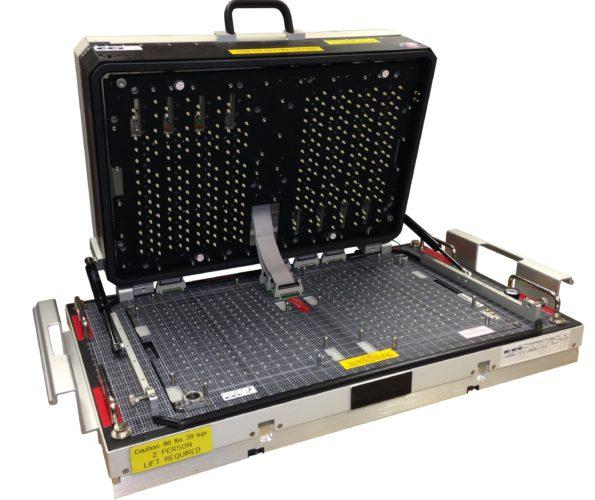
In electronics manufacturing, even a small mistake on a circuit board can cause big problems later. A loose connection or wrong component may lead to product failure, customer complaints, or expensive rework. That’s why testing is such an important part of the production process. One of the most trusted methods used by manufacturers today is in-circuit testing, which relies on specially designed tools called in-circuit test fixtures.
This article explains the different types of fixtures used in a simple, practical, and easy-to-understand way—just like how professionals discuss them on the shop floor.
What Are In-Circuit Test Fixtures?
These fixtures are tools that help engineers check whether individual components on a fully assembled PCB are working correctly. They touch specific test points on the board to confirm things like correct component values, proper soldering, and electrical connections.
With the help of in-circuit test fixtures, manufacturers can quickly find issues such as missing parts, short circuits, or incorrect placements. This is especially helpful in large-scale production, where speed and consistency are critical.
1. Bed-of-Nails Fixtures
Bed-of-nails fixtures are the most commonly used type in electronics manufacturing. They contain many small, spring-loaded pins that press against test points on the PCB. This allows multiple tests to be performed at the same time.
Why they are so popular:
- Testing is very fast
- High accuracy and coverage
- Ideal for high-volume production
Once the fixture is ready, thousands of boards can be tested with the same setup. The downside is the higher initial cost and the need for proper test-point planning during PCB design. Even so, this type remains a standard choice for in-circuit test fixtures in mass production.
2. Vacuum-Actuated Fixtures
Vacuum-actuated fixtures use suction to hold the PCB firmly in place during testing. When the vacuum is applied, the board is pulled evenly onto the test pins.
Main advantages:
- Even pressure across the PCB
- Less movement during testing
- Suitable for thin or sensitive boards
These fixtures are often used when stable contact is very important. They offer better repeatability compared to purely manual setups.
3. Manual Press Fixtures
Manual press fixtures are simple tools where an operator places the PCB and closes the fixture by hand. They are easy to use and cost less than automated systems.
Best for:
- Prototypes and pilot batches
- Low-volume production
- Designs that change frequently
Although they are slower and depend on the operator, manual fixtures are still useful when flexibility matters more than speed.
4. Pneumatic Fixtures
Pneumatic fixtures use compressed air to open and close automatically. This reduces physical effort and ensures consistent pressure on every board.
Why manufacturers like them:
- Faster than manual fixtures
- More consistent results
- Less strain on operators
In many factories, in-circuit test fixtures with pneumatic systems are used to maintain quality while keeping production moving efficiently.
5. Modular and Hybrid Fixtures
As product designs change more often, modular fixtures are becoming more common. These fixtures allow certain parts to be reused or adjusted for new PCB designs.
Key benefits:
- Lower cost over time
- Faster changeover between products
- More flexibility
Hybrid fixtures may combine manual, vacuum, and pneumatic features. This approach fits well with modern PCB Test Solutions that focus on adaptability and long-term efficiency.
How to Choose the Right Fixture
Choosing the right fixture depends on a few practical factors:
- Production quantity
- PCB complexity
- Available budget
- Expected design changes
High-volume production usually needs automated systems, while development teams often prefer flexible options. Well-designed in-circuit test fixtures help reduce errors, save time, and improve overall product quality.
Final Thoughts
Every type of fixture has its own role in electronics manufacturing. From simple manual tools to advanced pneumatic systems, each one helps ensure that PCBs are tested properly before reaching customers. By choosing the right setup, manufacturers can improve reliability, reduce costly mistakes, and keep production running smoothly both now and in the future.
Kategorien
- Arts & Entertainment
- Causes
- Crafts
- Dance
- Drinks
- Film
- Health
- Food Trends
- Gaming
- Home & Garden
- Health & Fitness
- Literature
- Music & Concerts
- Networking
- Andere
- Party
- Religion
- Shopping
- Sports
- Theater
- Wellness
- Cryptocurrency
- NFT Trends
- Coin update
- Lifestyle
- Business & Finance
- Entrepreneurship
- Marketing Strategies
- Personal Finance
- Investment Tips
- Industry Trends
- Technology
- Gadgets & Reviews
- Software & Apps
- Cybersecurity
- Emerging Technologies
- How-To Guides
- Ausbildung
- Movie & TV Reviews
- Celebrity News
- Book Reviews
- Personal Development
- Motivation & Inspiration
- Life Hacks
- Community & Culture
- Local Events
- Cultural Insights
- Social Issues
- Interviews & Spotlights
- Volunteering & Activism
- Science & Nature
- Animal Behavior
- Beauty Tips
- Fashion Trends
- Product Reviews
- Food & Drink
- Cooking
- Restaurant Reviews
- Travel
- Arts & Crafts
- Photography
- Workout Routines
- Parenting Tips
- News
- Tips & Tricks
- Case Studies
- Product Reviews
- Interviews
- Opinion
- Research & Insights
- Events Coverage
- Personal Stories
- Ankündigungen
- Trends & Predictions
- Guest Posts
Mehr lesen
"Executive Summary High-Performance Coatings Market Size and Share: Global Industry Snapshot The global high-performance coatings market size was valued at USD 113.88 billion in 2024 and is expected to reach USD 167.74 billion by 2032, at a CAGR of 4.96% during the forecast period. The High-Performance Coatings report is an ultimate solution for...

"Executive Summary Oil and Gas Risk Management Market Size and Share Analysis Report The global Oil and Gas Risk Management Market size was valued at USD 1.96 billion in 2025 and is expected to reach USD 2.98 billion by 2033, at a CAGR of 5.40% during the forecast period.The market growth is primarily driven by increasing complexity in global oil and gas operations, coupled with the...

Executive Summary Human African Trypanosomiasis (Sleeping Sickness) Market Size and Share Forecast The global human African trypanosomiasis (sleeping sickness) market size was valued at USD 92.75 million in 2024 and is projected to reach USD 150.30 million by 2032, with a CAGR of 6.22% during the forecast period of 2025 to 2032. The Human African Trypanosomiasis (Sleeping Sickness)...
Global Non-Ionizing Breast Imaging Market - Size, Share, Demand, Industry Trends and Opportunities Global Non-Ionizing Breast Imaging Market, By Type (Breast Ultrasound, Breast MRI, Automated Whole-breast Ultrasound (AWBU), Breast thermography, Electric Impedance Tomography, Optical Imaging), End User (Hospital, Diagnostic Imaging Centre, Others) – Industry Trends. The...
SlimJaro Healthy Weight Loss Supplement Canada Struggling to lose those stubborn extra pounds? You’re not alone. With busy lifestyles and tempting processed foods, maintaining a healthy weight has become more challenging than ever. That’s where SlimJaro Healthy Weight Loss Supplement Canada steps in — a modern solution designed to help you burn fat naturally and efficiently....