Nut Butters Market Insights: Why Vegan Protein Foods Are Fueling Product Innovation
The commercial landscape of the Nut Butters Market is fiercely competitive. What was once a slow-moving category dominated by a few heritage brands has become a hotbed of M&A activity, startup disruption, and rapid product innovation. For industry stakeholders, understanding the competitive dynamics is as important as understanding the consumer.
This blog focuses on the business side of the industry: the key players, their recent strategic moves, and the untapped opportunities in natural food spreads.
The Competitive Landscape: Giants vs. Disrupters
The market is bifurcated between massive multinational food corporations and nimble, health-focused startups.
-
The Giants: Companies like Hormel Foods (Skippy) and The J.M. Smucker Co. (Jif) rely on economies of scale and massive distribution networks. Their recent strategy involves defending their market share by launching "natural" and "no sugar added" variants of their flagship products to compete with organic nut butter brands.
-
The Challengers: Brands like Justin’s (now owned by Hormel) and RXBAR have successfully disrupted the market by focusing on branding, transparency, and high-quality ingredients like almond butter and cashew butter. They cater to the "lifestyle" consumer who identifies with the brand's values.
Private Label Expansion
A significant threat to established brands is the rise of high-quality private label (store brand) options. Retailers like Whole Foods, Trader Joe’s, and Costco have developed their own healthy fat spreads that rival branded products in quality but undercut them in price. This has intensified price competition and forced national brands to innovate faster to justify their shelf price.
Recent Developments in R&D
Research and Development is currently focused on two main areas: texture and sustainability.
-
Texture Technology: Creating no-sugar nut butter that doesn't separate or turn rock-hard is a significant technical challenge. Companies are investing in natural processing techniques to improve spreadability without adding hydrogenated oils.
-
Sustainable Sourcing: With water usage for almonds and deforestation for palm oil becoming hot-button issues, key players are heavily publicizing their sustainability initiatives. "Bee-friendly" almond sourcing and "regenerative agriculture" are becoming key marketing claims for plant-based spreads.
Future Opportunities: Functional Fortification
The next frontier for the market is functional fortification. We are moving beyond just protein. The future lies in peanut butter alternatives infused with omega-3s, collagen, MCT oil, and adaptogens. These products blur the line between food and supplement, allowing brands to charge significantly higher price points.
Furthermore, the "savory" category remains largely untapped. While sweet vegan protein foods dominate, there is a growing opportunity for savory nut butters (spiced, herbed) used as dips and cooking bases, expanding the usage occasion beyond breakfast.
Discover More Research Reports By Market Research Future:
Kategoriler
- Arts & Entertainment
- Causes
- Crafts
- Dance
- Drinks
- Film
- Health
- Food Trends
- Gaming
- Home & Garden
- Health & Fitness
- Literature
- Music & Concerts
- Networking
- Other
- Party
- Religion
- Shopping
- Sports
- Theater
- Wellness
- Cryptocurrency
- NFT Trends
- Coin update
- Lifestyle
- Business & Finance
- Entrepreneurship
- Marketing Strategies
- Personal Finance
- Investment Tips
- Industry Trends
- Technology
- Gadgets & Reviews
- Software & Apps
- Cybersecurity
- Emerging Technologies
- How-To Guides
- EĞİTİM BİLGİLERİ
- Movie & TV Reviews
- Celebrity News
- Book Reviews
- Personal Development
- Motivation & Inspiration
- Life Hacks
- Community & Culture
- Local Events
- Cultural Insights
- Social Issues
- Interviews & Spotlights
- Volunteering & Activism
- Science & Nature
- Animal Behavior
- Beauty Tips
- Fashion Trends
- Product Reviews
- Food & Drink
- Cooking
- Restaurant Reviews
- Travel
- Arts & Crafts
- Photography
- Workout Routines
- Parenting Tips
- News
- Tips & Tricks
- Case Studies
- Product Reviews
- Interviews
- Opinion
- Research & Insights
- Events Coverage
- Personal Stories
- Duyurular
- Trends & Predictions
- Guest Posts
Read More
Future of Executive Summary Cleanroom Consumables Market: Size and Share Dynamics Global cleanroom consumables market size was valued at USD 4.56 billion in 2024 and is projected to reach USD 8.08 billion by 2032, with a CAGR of 7.40% during the forecast period of 2025 to 2032. Businesses can attain detailed insights with the large scale Cleanroom Consumables Market survey report...

In 2025, the UK Free Boiler Grant Scheme continues to offer a valuable opportunity for homeowners to upgrade to energy-efficient boilers at no or minimal cost. With the government’s commitment to reduce carbon emissions and improve household energy efficiency, thousands of eligible residents can benefit from this grant under the ECO4 (Energy Company Obligation) scheme. This comprehensive...

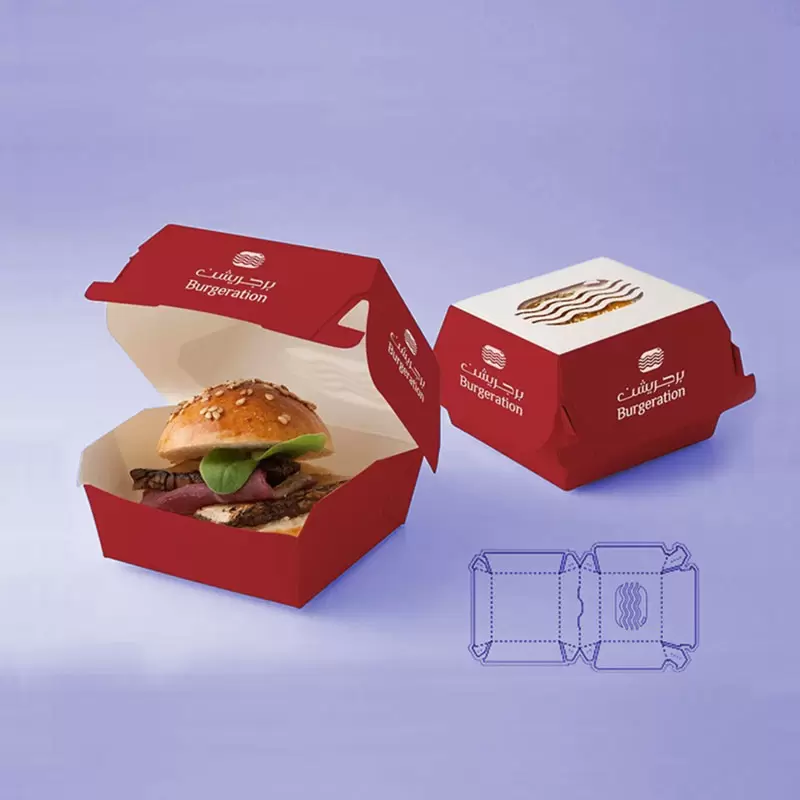
Different sorts of burger boxes are now being created using the customizing options offered to individuals. Brands may add their logo and other necessary aspects to make their products stand out. A logo and other brand identification aspects help a brand develop its unique identity and attract clients. Custom burger boxes have the ability to boost business sales by allowing the firm to send any...
Cabbazar provides dependable cab service in Rishikesh for local sightseeing, ashram visits, and outstation travel with safe and clean cars.
When the Check Engine Light comes on in your Mitsubishi, it’s more than just an inconvenience—it’s a signal from your car’s onboard computer that something is wrong. Whether it’s a minor issue like a loose gas cap or a major problem with the engine or emissions system, it’s crucial to get it diagnosed and repaired promptly. For Mitsubishi Check Engine...