


How Do the 5 Stages of Supply Chain Management Drive Success?
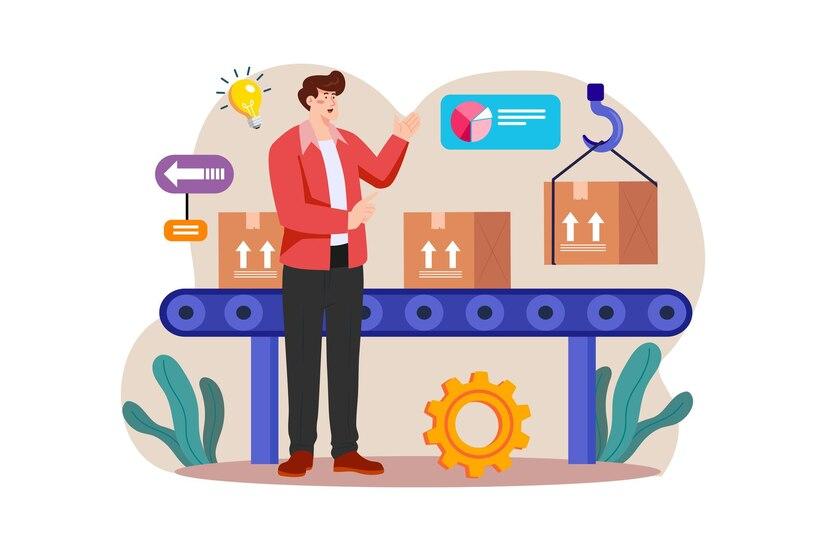
In today’s fast-paced business environment, effective supply chain management has become critical for organizations aiming to stay competitive. With consumer demands increasing and markets becoming more complex, companies need robust strategies to ensure their supply chains are efficient and agile. The key to such success lies in understanding the 5 stages of supply chain management, which together help companies streamline operations and achieve long-term business goals.
Let's break down how these 5 stages of supply chain management drive success for businesses across industries.
Stage 1: Planning – The Foundation of Supply Chain Management
The first and most important stage of supply chain management is planning. A well-thought-out plan is the backbone of an efficient supply chain. This stage involves forecasting demand, analyzing current market trends, and assessing the resources needed to meet these demands. Companies use various tools to create accurate demand forecasts, which are vital to ensuring that production aligns with consumer needs.
Incorporating sophisticated planning techniques and software, such as inventory forecasting tools, can optimize the planning process. Efficient planning helps reduce excess inventory, avoid stockouts, and manage lead times, resulting in cost savings and enhanced customer satisfaction.
Stage 2: Sourcing – Building Strong Supplier Relationships
Once the planning phase is complete, the next stage is sourcing. This involves identifying and establishing relationships with suppliers who can provide the raw materials or products required for production. Effective sourcing ensures that businesses have reliable access to the materials they need, at the right time and cost.
By working with trusted suppliers, companies can reduce risk, lower costs, and ensure the quality of materials. Effective sourcing strategies are a key part of supply chain management because they contribute to a company’s ability to meet production schedules and deliver products on time.
Stage 3: Manufacturing – Transforming Materials into Products
The third stage of the 5 stages of supply chain management is manufacturing. This is where the raw materials are transformed into finished products. Efficient manufacturing processes are critical to ensuring that products are made on time, within budget, and according to quality standards.
Supply chain management in the manufacturing phase involves optimizing production lines, managing labor, and ensuring the availability of equipment and materials. Proper management at this stage helps to reduce waste, control production costs, and maintain product quality, all of which are crucial to business success.
Stage 4: Delivery – Ensuring Timely Product Distribution
Once the products are manufactured, the next step is delivery. This stage of supply chain involves logistics, warehousing, and transportation. A well-managed delivery process ensures that products reach customers on time and in good condition.
Effective supply chain management in this stage includes selecting the right logistics partners, optimizing delivery routes, and managing inventory levels in warehouses. This not only reduces costs but also improves customer satisfaction by ensuring timely and accurate deliveries. In a world where same-day or next-day delivery has become the norm, optimizing this stage is critical for staying competitive.
Stage 5: Returns – Managing Reverse Logistics Efficiently
The final stage of the 5 stages of supply chain management is managing returns, commonly referred to as reverse logistics. In this phase, businesses handle product returns, repairs, and recycling, ensuring that the process is smooth and cost-effective. Efficient reverse logistics is essential for maintaining customer trust, reducing waste, and salvaging potential losses.
By implementing a streamlined return process, companies can minimize the time and cost associated with handling defective or unwanted products. Additionally, a well-structured return policy can lead to greater customer loyalty, as customers appreciate businesses that prioritize convenience in returns. In today’s competitive market, reverse logistics can become a differentiating factor that drives success in supply chain management.
Why the 5 Stages of Supply Chain Management Are Critical for Success
Each of the 5 stages of supply chain management—planning, sourcing, manufacturing, delivery, and returns—contributes uniquely to the overall success of a business. By optimizing each stage, companies can achieve operational efficiency, reduce costs, and improve customer satisfaction. Let’s explore why mastering these five stages is so vital for success.
1. Improved Efficiency and Cost Reduction
Efficient supply chain management reduces costs across various stages, from sourcing materials to delivering finished goods. By aligning supply and demand, businesses avoid excess inventory or stockouts, which can result in significant savings. Moreover, effective manufacturing and delivery processes help eliminate waste and streamline operations, further driving profitability.
2. Enhanced Customer Satisfaction
Timely delivery of high-quality products is a key determinant of customer satisfaction. Businesses that optimize their supply chain management processes are better equipped to meet customer expectations by delivering products quickly and handling returns efficiently. Happy customers are more likely to become repeat buyers, which boosts long-term business success.
3. Flexibility and Adaptability
Markets are constantly changing, and businesses need to be agile to stay competitive. The 5 stages of supply chain management provide a framework for flexibility. With proper planning and real-time data analysis, companies can quickly adapt to changes in demand, raw material availability, or delivery disruptions. This adaptability ensures that the business remains resilient in the face of external challenges.
4. Competitive Advantage
Companies that effectively manage their supply chains can gain a significant competitive advantage. From reducing lead times to managing costs, supply chain management is at the core of a company’s ability to outperform competitors. Businesses with optimized supply chains are more likely to introduce products to the market faster, fulfill customer orders more efficiently, and manage risks more effectively.
How Technology Enhances the 5 Stages of Supply Chain Management
In today’s digital age, leveraging technology has become integral to mastering the 5 stages of supply chain management. Businesses that adopt cutting-edge solutions like AI-powered demand forecasting tools, real-time inventory management systems, and automated logistics platforms are better positioned to enhance efficiency and drive success.
1. Advanced Forecasting Solutions
With the use of AI-driven forecasting software, businesses can predict demand more accurately, allowing for better planning and inventory management. Tools like these reduce uncertainty, enabling companies to respond to market fluctuations with greater agility.
2. Real-Time Data and Analytics
Technology enables businesses to gather and analyze real-time data throughout the supply chain. This helps companies make informed decisions, whether in sourcing materials or optimizing delivery routes. Real-time data also improves transparency, helping businesses monitor their performance at each stage.
3. Automation in Manufacturing and Delivery
Automation has revolutionized the manufacturing and delivery stages of supply chain management. Automated production lines increase efficiency, reduce human error, and ensure consistent product quality. Similarly, automated delivery systems and logistics software enhance route optimization, reducing transportation costs and improving delivery times.
Conclusion
The 5 stages of supply chain management—planning, sourcing, manufacturing, delivery, and returns—are essential pillars of business success. By optimizing each stage, companies can reduce costs, improve efficiency, enhance customer satisfaction, and gain a competitive edge in the market. With the integration of modern technology and data-driven insights, businesses can ensure their supply chains are not only efficient but also adaptable to the dynamic demands of today’s global marketplace.
Mastering the supply chain through effective management is no longer optional; it is a critical strategy for driving success in today’s economy. Embracing the 5 stages of supply chain management can lead to sustainable growth, higher customer loyalty, and long-term profitability.
Explore our AI-based SaaS platform to predict sales volume and demand trends. To know more, visit: https://thousense.ai/pricing
Source: https://www.exoltech.us/blogs/241963/How-Do-the-5-Stages-of-Supply-Chain-Management-Drive
Categorias
- Arts & Entertainment
- Causes
- Crafts
- Dance
- Drinks
- Film
- Health
- Food Trends
- Gaming
- Home & Garden
- Health & Fitness
- Literature
- Music & Concerts
- Networking
- Outro
- Party
- Religion
- Shopping
- Sports
- Theater
- Wellness
- Cryptocurrency
- NFT Trends
- Coin update
- Lifestyle
- Business & Finance
- Entrepreneurship
- Marketing Strategies
- Personal Finance
- Investment Tips
- Industry Trends
- Technology
- Gadgets & Reviews
- Software & Apps
- Cybersecurity
- Emerging Technologies
- How-To Guides
- Educação
- Movie & TV Reviews
- Celebrity News
- Book Reviews
- Personal Development
- Motivation & Inspiration
- Life Hacks
- Community & Culture
- Local Events
- Cultural Insights
- Social Issues
- Interviews & Spotlights
- Volunteering & Activism
- Science & Nature
- Animal Behavior
- Beauty Tips
- Fashion Trends
- Product Reviews
- Food & Drink
- Cooking
- Restaurant Reviews
- Travel
- Arts & Crafts
- Photography
- Workout Routines
- Parenting Tips
- News
- Tips & Tricks
- Case Studies
- Product Reviews
- Interviews
- Opinion
- Research & Insights
- Events Coverage
- Personal Stories
- Avisos
- Trends & Predictions
- Guest Posts
Leia mais
As we step into 2025, the digital world continues to expand at an unprecedented pace. From small businesses to multinational corporations, everyone is investing in digital strategies to reach, engage, and convert their audience. If you're looking to stay relevant, boost your career, or launch your own venture, enrolling in a digital marketing course could be your smartest move yet. Here...

Plastic granules are small, typically uniform-sized particles formed from raw plastic material. They are produced through polymerization or polycondensation processes and derived from various polymers, such as polyethylene (PE), polypropylene (PP), polyvinyl chloride (PVC), polyethylene terephthalate (PET), and polystyrene (PS). They must possess appropriate melting points and thermal...

Executive Summary Vision Impairment Market: Vision Impairment Market report brings together a detailed study of the present and upcoming opportunities to elucidate the future investment in the industry. . Vision Impairment Market segmentation aspect in this document provides a clear idea about the product consumption based on numerous factors ranging from type, application,...

The Spirits Market sector is undergoing rapid transformation, with significant growth and innovations expected by 2032. In-depth market research offers a thorough analysis of market size, share, and emerging trends, providing essential insights into its expansion potential. The report explores market segmentation and definitions, emphasizing key components and growth drivers. Through...

Executive Summary Coherent Optical Equipment Market: Share, Size & Strategic Insights The global coherent optical equipment market size was valued at USD 58.79 billion in 2024 and is projected to reach USD 119.05 billion by 2032, with a CAGR of 9.22% during the forecast period of 2025 to 2032. The comprehensive Coherent Optical Equipment Market report is an insightful and...