


How Custom Kid Furniture Helps Boost Creativity and Learning at Home
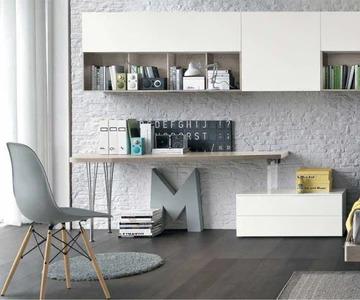
Most kids' rooms look basically the same. Cookie-cutter bed from IKEA. Dresser that came in a flat box. Desk that's either too high or too low. Everything picked because it was there and affordable, not because it actually made sense for that particular kid.
Then parents scratch their heads wondering why their child never wants to do homework in their room or why the "reading corner" just became a pile of stuffed animals.
Turns out furniture isn't just background stuff. It shapes how kids interact with their space every single day.
When Standard Furniture Just Doesn't Work
The furniture industry makes stuff for the "average" child. Problem is, there's no such thing. A seven-year-old who's tall for their age has completely different needs than a short ten-year-old. A kid obsessed with art needs different storage than one who collects books.
But walk into any big box store and everything's sized the same. Height, depth, width—all based on some mythical middle-ground child who doesn't actually exist.
So what happens? Kids adapt. They slouch at desks that are too tall. They climb on chairs to reach shelves. They give up on using furniture that doesn't fit how they actually function.
Custom kid furniture flips this whole approach. Start with the real kid who'll use it. Measure them. Ask what they actually do in their room. Then build things that match those specifics instead of forcing them into standard dimensions that miss the mark.
Desks That Actually Fit Make Homework Less Miserable
Try sitting at the wrong height desk for an hour. Your back hurts. Your shoulders get tight. You start fidgeting constantly trying to get comfortable.
Kids deal with this all the time. Their feet dangle because the chair's too high. They have to reach up to write because the desk surface is too tall. Or they're hunched over because everything's too low.
None of this helps concentration.
Get the height right and suddenly homework doesn't feel like physical torture. Feet flat on the ground. Arms at a comfortable angle. Good posture happens naturally instead of requiring constant reminding.
Sounds simple because it is. But standard furniture rarely gets it right because it's not designed for any specific kid—just the vague idea of kids in general.
Storage That Kids Will Actually Use
Here's something nobody talks about. Kids don't avoid cleaning their rooms because they're lazy. They avoid it because their storage doesn't work.
Toy boxes where everything becomes a jumbled mess and finding anything requires dumping it all out. Drawers too deep so small items get lost at the bottom. Shelves too high so grabbing a book requires Olympic-level climbing skills.
When putting things away is genuinely difficult, kids don't do it. Can't really blame them.
Custom storage fixes this by designing for what that kid actually owns. Art supplies need different storage than action figures. Books need different storage than building blocks. Clothes need different storage than sports equipment.
Match the storage to the stuff and suddenly organization becomes possible instead of theoretical.
Creating Spaces for Different Activities
Adults compartmentalize naturally. Work happens at a desk. Relaxation happens on the couch. Sleep happens in bed.
Kids don't work that way. Their rooms are multi-purpose zones where they're supposed to sleep, play, study, create, store all their belongings, and somehow keep everything organized.
Standard furniture treats all this like one big blob. Here's your room, here's some furniture, figure it out.
Custom pieces can carve out distinct zones. A reading spot that feels separate and cozy. A workspace clearly meant for homework with everything needed right there. A play area that doesn't bleed into everything else.
When different activities have different spaces, kids switch modes better. Reading time feels different from homework time feels different from play time. All in the same room but with clear boundaries built into the furniture layout itself.
How Furniture Affects Creative Play
Give a kid some markers and blank paper, they might draw for five minutes before getting distracted. Give them a proper art station with supplies organized and accessible, with good lighting and a workspace that fits, and suddenly they're creating for an hour.
The difference isn't the kid's creativity level. It's whether their furniture enables what they're trying to do or creates obstacles.
A play kitchen at the right height gets used constantly. One that's too tall or too short becomes a decoration. Building block storage that lets kids see what they have inspires projects. Storage where everything's hidden in bins means blocks stay packed away.
Furniture either facilitates what kids want to do or it gets in the way. There's not really a middle ground.
The Height Problem Everyone Ignores
Walk into a typical furniture store and everything in the kids' section is sized for approximate age ranges. "Ages 3-6" or "Ages 8-12" like all kids in that range are identical.
They're not. Height varies wildly. So do proportions. An eight-year-old might need furniture sized for a six-year-old or furniture sized for a ten-year-old depending on their actual measurements.
Custom work accounts for this. Build the desk for this specific kid's height right now. Design the bookshelf so they can reach the top shelf without standing on their tiptoes. Size the chair so their feet actually touch the floor.
Seems obvious but it's shocking how rarely it happens with standard furniture.
What About When They Grow
Fair question. Kids get bigger. Custom furniture sized perfectly today might not work in two years.
Two approaches to this. First option—build adjustable. Desks with height-adjustable legs. Shelving systems that can be reconfigured as needs change. Chairs that grow with the kid.
Second option—accept that furniture has a lifespan and plan accordingly. Sometimes it makes more sense to build something perfect for ages 6-9 and then rebuild for ages 10-13 rather than compromising with something mediocre that technically works for seven years but never quite fits right.
Depends on budget and priorities. Both approaches beat buying cheap standard stuff that needs replacing every 18 months because it broke or the kid outgrew it or they just hate using it.

The Real Cost Breakdown
Custom furniture costs more upfront. Obviously. Nobody's pretending otherwise.
But standard furniture has hidden costs. It breaks and needs replacing. Kids outgrow it faster. It doesn't work well so it gets abandoned and new stuff gets purchased to supplement it. Add up all those purchases over several years and the total gets surprisingly high.
Custom pieces last longer because they're built better. They fit correctly so kids don't outgrow them as fast. They match the child's actual needs so they get used instead of ignored.
Sometimes spending more once costs less than spending less repeatedly. Math doesn't always work that way but with furniture it often does.
Starting With Observation Instead of Assumptions
Biggest mistake parents make with custom furniture? Designing what they think their kid needs without actually watching how the kid uses their space.
They build an elaborate reading nook but the kid prefers reading on their bed. They create a homework station facing the window but the kid can't concentrate with that much visual distraction. They install a ton of closed storage but the kid needs to see their stuff or they forget it exists.
Watch first. Notice patterns. See where they naturally gravitate and what frustrates them about their current setup. Then design around those observations.
Custom furniture fails when it's built around theoretical ideas of how kids should behave. It succeeds when it's built around how this specific kid actually behaves.
Not complicated. Just requires paying attention before starting to build.
Categorías
- Arts & Entertainment
- Causes
- Crafts
- Dance
- Drinks
- Film
- Health
- Food Trends
- Gaming
- Home & Garden
- Health & Fitness
- Literature
- Music & Concerts
- Networking
- Other
- Party
- Religion
- Shopping
- Sports
- Theater
- Wellness
- Cryptocurrency
- NFT Trends
- Coin update
- Lifestyle
- Business & Finance
- Entrepreneurship
- Marketing Strategies
- Personal Finance
- Investment Tips
- Industry Trends
- Technology
- Gadgets & Reviews
- Software & Apps
- Cybersecurity
- Emerging Technologies
- How-To Guides
- Educación
- Movie & TV Reviews
- Celebrity News
- Book Reviews
- Personal Development
- Motivation & Inspiration
- Life Hacks
- Community & Culture
- Local Events
- Cultural Insights
- Social Issues
- Interviews & Spotlights
- Volunteering & Activism
- Science & Nature
- Animal Behavior
- Beauty Tips
- Fashion Trends
- Product Reviews
- Food & Drink
- Cooking
- Restaurant Reviews
- Travel
- Arts & Crafts
- Photography
- Workout Routines
- Parenting Tips
- News
- Tips & Tricks
- Case Studies
- Product Reviews
- Interviews
- Opinion
- Research & Insights
- Events Coverage
- Personal Stories
- Anuncios
- Trends & Predictions
- Guest Posts
Read More
Looking like that girl doesn’t always mean splurging on a whole new wardrobe. Sometimes, it’s about knowing the right style hacks — and when it comes to elevating your fashion game, BaddieHub has mastered the art of transformation. BaddieHub isn’t just a fashion brand — it’s a whole movement. It’s where bold meets smart, street meets glam, and...

Le top casino en ligne moderne a transformé l’univers du jeu en France et dans le monde entier. Les plateformes numériques offrent une accessibilité inédite, permettant aux joueurs de profiter d’une large gamme de jeux depuis leur domicile. Le casino en ligne ne se limite plus aux simples machines à sous : il intègre désormais...

Global Handheld Ultrasound Imaging Devices Market - Size, Share, Demand, Industry Trends and Opportunities Global Handheld Ultrasound Imaging Devices Market, By Application Area (Cardiac, Emergency Medicines, Gynaecological or Obstetrics, Musculoskeletal, Pulmonary, Urological, Vascular and Other Application Areas), Type of Transducer Array (Curved, Endocavity, Linear, Phased and Other...
"The Digital Substation Market sector is undergoing rapid transformation, with significant growth and innovations expected by 2028. In-depth market research offers a thorough analysis of market size, share, and emerging trends, providing essential insights into its expansion potential. The report explores market segmentation and definitions, emphasizing key components and growth...

"Sports Betting Market Size And Forecast by 2031 The Online Gambling Industry is experiencing rapid expansion, driven by rising consumer demand, technological progress, and continuous industry innovation. Leading market research firms report that businesses in the Wagering and Betting Solutions are increasingly focusing on digital transformation, advanced product...
