


Understanding the Cost of Keywords in Google AdWords: A Complete Guide
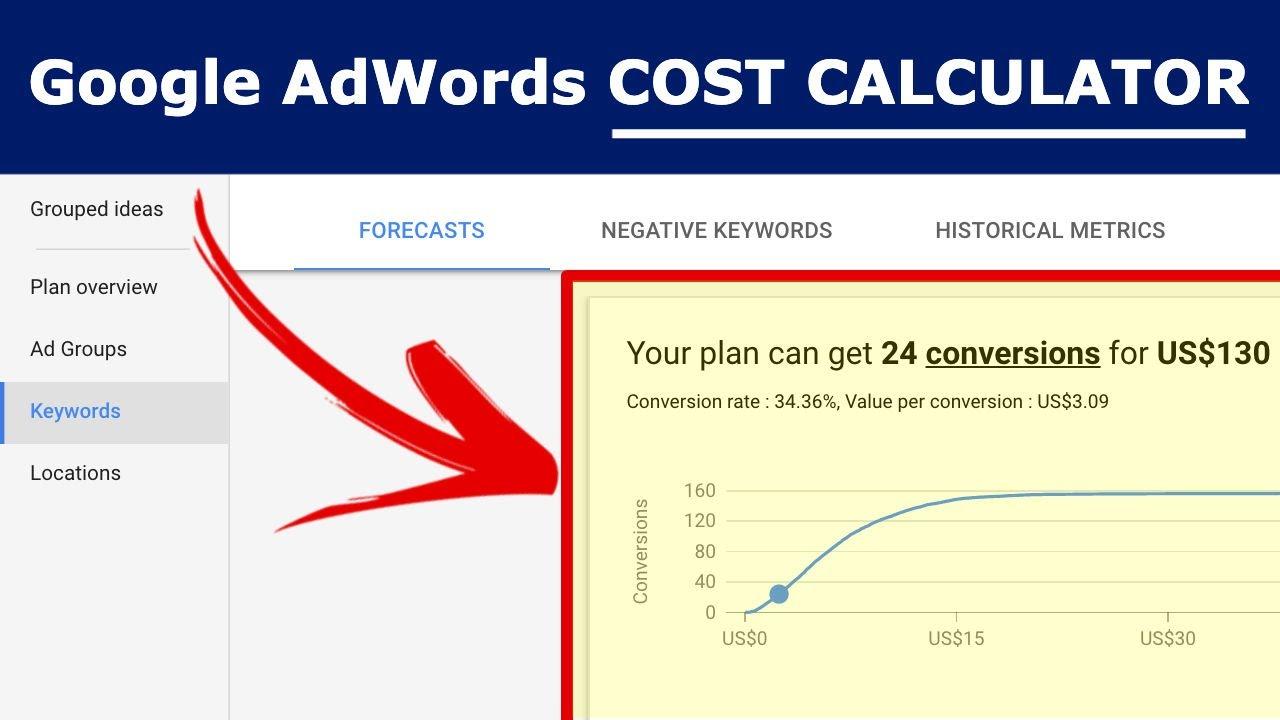
In today’s digital marketing world, Google AdWords (now known as Google Ads) has become the backbone of online advertising strategies. Whether you are a small business owner, an e-commerce entrepreneur, or a digital marketer, understanding the cost of keywords in Google AdWords is crucial for maximizing your return on investment (ROI) and running effective campaigns. But what exactly determines these costs, and how can businesses optimize their spending? Let’s explore this topic in detail.
What Determines the Cost of Keywords in Google AdWords?
The cost of keywords in Google AdWords is not fixed. Unlike traditional advertising, where rates are predetermined, Google Ads uses a dynamic auction system to set prices. Several factors influence the cost:
1. Keyword Competition
The primary factor is competition. Popular keywords with high search volume, such as “insurance,” “loans,” or “legal services,” attract many advertisers. Higher competition drives up the cost-per-click (CPC), sometimes reaching hundreds of dollars per click. Conversely, niche or long-tail keywords with lower competition can be much cheaper.
2. Quality Score
Google assigns each ad a Quality Score, which measures the relevance and quality of your ad in relation to the keyword. Ads with higher Quality Scores enjoy lower CPCs. Google rewards advertisers who create relevant, well-targeted ads with better placement at a lower cost.
3. Geographic Targeting
Location plays a critical role. Keywords in densely populated or economically strong regions may cost more due to higher competition. For instance, targeting “plumber in New York City” will likely be more expensive than targeting “plumber in a small town in Kansas.”
4. Device and Time of Day
Costs can vary based on the device (desktop, mobile, or tablet) and the time of day your ad runs. Peak hours or mobile-focused searches may command higher CPCs, depending on industry trends and user behavior.
Average Costs of Keywords by Industry
The cost of keywords in Google AdWords varies widely across industries. Here’s a snapshot of some average CPC ranges:
-
Legal Services: $6–$100 per click
-
Insurance: $3–$60 per click
-
Finance/Loans: $2–$50 per click
-
Health and Medical: $1–$30 per click
-
E-commerce (General): $0.50–$2 per click
These ranges illustrate the disparity between high-value and low-value sectors. Businesses in competitive industries often spend thousands of dollars daily, emphasizing the importance of strategic keyword selection.
Strategies to Optimize Keyword Costs
Understanding keyword costs is only the first step. To maximize ROI, businesses must adopt strategies that control spending without compromising results.
1. Use Long-Tail Keywords
Long-tail keywords are longer, more specific search phrases, such as “affordable SEO services for small businesses” instead of just “SEO services.” These keywords tend to have lower CPCs and attract highly targeted traffic more likely to convert.
2. Leverage Negative Keywords
Negative keywords prevent your ads from showing up for irrelevant searches. For example, if you sell luxury watches, you might exclude terms like “cheap” or “discount.” This helps avoid wasted clicks and lowers overall costs.
3. Improve Quality Score
Enhancing ad relevance, optimizing landing pages, and improving click-through rates (CTR) can boost your Quality Score, which directly reduces the cost of keywords in Google AdWords. A high-quality ad campaign can achieve better results for less money.
4. Segment Campaigns by Location and Device
Tailoring campaigns based on geography and device type ensures your ads target the right audience at the right time, reducing unnecessary expenditures on low-performing clicks.
5. Monitor and Adjust Bids
Regularly analyzing keyword performance allows marketers to adjust bids, pause underperforming keywords, and allocate budgets to high-performing, cost-effective terms.
Common Misconceptions About Keyword Costs
Despite widespread use of Google Ads, misconceptions persist:
-
Higher cost equals better results: A high CPC does not guarantee conversions. Relevance, targeting, and ad quality matter more than raw price.
-
All keywords are worth bidding on: Not all high-traffic keywords deliver value. Focus on relevance and conversion potential.
-
Keyword costs are static: Google Ads operates in real-time auctions, meaning costs fluctuate based on competition, seasonality, and market trends.
By addressing these myths, advertisers can avoid costly mistakes and design campaigns that truly drive ROI.
Emerging Trends Affecting Keyword Costs
The digital advertising landscape is evolving, influencing the cost of keywords in Google AdWords:
-
AI-Powered Bidding: Google Ads now uses machine learning to optimize bids automatically, adjusting CPCs in real time to maximize results.
-
Voice Search: With more users relying on voice assistants, conversational and long-tail keywords are becoming increasingly valuable.
-
Mobile-First Indexing: Mobile searches often demand different keyword strategies, influencing costs and competition.
-
Privacy Regulations: Restrictions on tracking and data collection can impact targeting efficiency, indirectly affecting keyword costs.
Being aware of these trends allows marketers to stay ahead and plan budgets more effectively.
Measuring ROI and Making Data-Driven Decisions
Understanding keyword costs is only useful if linked to performance metrics. Businesses should track:
-
Conversion rate: Percentage of clicks leading to desired actions
-
Cost per acquisition (CPA): Total spend divided by conversions
-
Return on ad spend (ROAS): Revenue generated per dollar spent
By evaluating these metrics, advertisers can make informed decisions about which keywords justify their cost and which should be reconsidered.
Conclusion: The Strategic Value of Understanding Keyword Costs
The cost of keywords in Google AdWords is more than a financial metric—it’s a reflection of market competition, user intent, and advertising strategy. Savvy marketers who understand and strategically manage keyword costs can stretch their budgets, improve ad performance, and gain a competitive advantage.
As digital marketing continues to evolve, businesses must anticipate fluctuations in keyword pricing and adapt to emerging trends such as AI-driven bidding, voice search, and mobile-centric strategies. The key takeaway is that cost is not just about dollars—it’s about value. Investing in the right keywords, targeting the right audience, and optimizing campaigns for quality over quantity will ultimately determine success.
In a rapidly changing digital landscape, the real question isn’t how much a keyword costs—it’s how much value it can generate for your business. Are you ready to rethink your approach and harness the full potential of Google Ads for your brand?
Categorie
- Arts & Entertainment
- Causes
- Crafts
- Dance
- Drinks
- Film
- Health
- Food Trends
- Gaming
- Home & Garden
- Health & Fitness
- Literature
- Music & Concerts
- Networking
- Altre informazioni
- Party
- Religion
- Shopping
- Sports
- Theater
- Wellness
- Cryptocurrency
- NFT Trends
- Coin update
- Lifestyle
- Business & Finance
- Entrepreneurship
- Marketing Strategies
- Personal Finance
- Investment Tips
- Industry Trends
- Technology
- Gadgets & Reviews
- Software & Apps
- Cybersecurity
- Emerging Technologies
- How-To Guides
- Formazione
- Movie & TV Reviews
- Celebrity News
- Book Reviews
- Personal Development
- Motivation & Inspiration
- Life Hacks
- Community & Culture
- Local Events
- Cultural Insights
- Social Issues
- Interviews & Spotlights
- Volunteering & Activism
- Science & Nature
- Animal Behavior
- Beauty Tips
- Fashion Trends
- Product Reviews
- Food & Drink
- Cooking
- Restaurant Reviews
- Travel
- Arts & Crafts
- Photography
- Workout Routines
- Parenting Tips
- News
- Tips & Tricks
- Case Studies
- Product Reviews
- Interviews
- Opinion
- Research & Insights
- Events Coverage
- Personal Stories
- Annunci
- Trends & Predictions
- Guest Posts
Leggi tutto
Traveling across multiple time zones is a hallmark of the modern Dubai lifestyle, but it often comes with a physiological price. An IV Drip in Dubai has become the gold standard for frequent flyers and business executives looking to eliminate the "fog" of international travel. By addressing the specific cellular disruptions caused by air travel, this medical intervention allows you to...

In today’s competitive marketing environment, businesses constantly search for creative ways to capture customer attention. Traditional printed materials often struggle to stand out in crowded markets. This is why many brands are turning to visually dynamic print technologies that create a memorable first impression. One of the most effective solutions is working with a professional...

Artificial Intelligence (AI) is becoming one of the most powerful technologies shaping the future of the global economy. In India, AI adoption is expanding rapidly across industries such as banking, healthcare, manufacturing, telecom, and automotive. Companies are increasingly using AI-driven tools to improve automation, analyze large data sets, and enhance decision-making processes. As the...

"Global Executive Summary Hybrid Solar Wind Systems Market: Size, Share, and Forecast CAGR Value The global hybrid solar wind systems market size was valued at USD 1.55 billion in 2025 and is expected to reach USD 2.73 billion by 2033, at a CAGR of 7.30% during the forecast period The report has provided crucial information about the elements that are impacting and driving the sales of the...

The Organic Soaps Market sector is undergoing rapid transformation, with significant growth and innovations expected by 2030. In-depth market research offers a thorough analysis of market size, share, and emerging trends, providing essential insights into its expansion potential. The report explores market segmentation and definitions, emphasizing key components and growth drivers. Through the...
