


Top Mistakes to Avoid During Concrete Drilling and Cutting Without Scanning

Concrete drilling and cutting are vital tasks in construction, renovation, and maintenance projects. However, one of the most common — and costly — mistakes contractors make is skipping concrete scanning before starting work.
Without understanding what lies beneath the surface, there’s a high risk of damaging structural components, utilities, or reinforcement bars. These errors can lead to safety hazards, expensive repairs, and project delays.
This article explores the top mistakes to avoid during concrete drilling and cutting without scanning, and why professional scanning should always be part of your project plan.
1. Damaging Reinforcement Bars (Rebar)
Reinforcement bars, commonly known as rebars, play a crucial role in giving concrete its tensile strength. These steel bars work in combination with concrete to support heavy loads and resist cracking or bending under pressure. When drilling or cutting is carried out without prior scanning, there’s a high risk of striking these rebars.
Accidentally severing or damaging rebar can seriously compromise the structure’s integrity, leading to weak points that reduce the building’s overall load-bearing capacity. In severe cases, it might even necessitate a full structural reassessment or redesign — both time-consuming and costly. Moreover, damage to reinforcement can create long-term safety issues that may not be immediately visible but can worsen over time.
Tip: Always perform Ground Penetrating Radar (GPR) scanning before drilling or coring. This ensures the exact position and depth of the rebar are known, allowing safe and accurate work without endangering the structure.
2. Hitting Hidden Electrical or Plumbing Lines
Modern concrete structures often have electrical conduits, water pipes, and plumbing lines embedded within the slabs or walls. Without accurate scanning, there’s no way to know the precise location of these utilities. Striking an electrical conduit could result in electric shocks, equipment damage, or fire hazards, while damaging a water or drainage pipe could cause flooding, leaks, and major clean-up work.
Even minor damage can lead to extended downtime as repairs are scheduled and inspected, delaying project completion. For contractors, such incidents can also lead to liability issues and safety violations.
Tip: Use advanced scanning technology to identify hidden electrical and plumbing systems before starting any cutting or coring work. Preventing even one such accident can save your project significant time, cost, and reputational harm.
3. Cutting Post-Tension Cables
Post-tension cables are among the most dangerous elements to hit during concrete drilling. These high-tension steel cables are used in many of Dubai’s modern high-rise and commercial structures to enhance strength and flexibility. When accidentally cut, the sudden release of stored tension can cause severe injury, catastrophic structural failure, or even the collapse of the slab in extreme cases.
Repairing a damaged post-tension system is complex and expensive, often requiring engineering assessments, reinforcement, and retensioning of the cables.
Tip: GPR scanning accurately maps out the position and depth of post-tension cables. It allows engineers and technicians to plan their cuts or cores safely, minimizing any risk to workers and the structure.
4. Misjudging the Depth of Embedded Objects
A common misconception is that all embedded materials, such as conduits, rebars, or cables, lie deep within the concrete. In reality, some of these elements are located just a few centimeters below the surface. Without scanning, it’s easy to misjudge the drilling depth and accidentally damage these components.
This often happens during renovation or retrofitting works, where the as-built drawings may not match the current state of the structure. The result can be unnecessary damage that complicates the project and introduces avoidable repair costs.
Tip: Concrete scanning provides precise information on both the location and depth of hidden objects. This data allows teams to plan drilling at safe depths, preventing unintentional strikes.
5. Unexpected Repair and Downtime Costs
Skipping concrete scanning might appear to save money at first glance, but it’s a false economy. The financial and operational impact of damaging embedded elements can be enormous — from repairing damaged pipes or cables to replacing compromised structural components.
Such incidents often cause project delays, increase material costs, and require additional labor for unplanned fixes. They can also lead to penalties if the project timeline is contractually bound. In the end, the cost of scanning is minimal compared to the potential expenses of repairs and lost time.
Tip: Treat scanning as a preventive investment. The upfront cost is small compared to the savings in time, money, and safety.
6. Violating Safety and Compliance Standards
Dubai’s construction industry follows strict regulations under local authorities to ensure safety and structural reliability. Performing drilling or cutting without proper scanning can violate these safety standards, especially if it leads to structural compromise or worker injury.
Beyond regulatory penalties, non-compliance can harm a contractor’s professional reputation and lead to costly legal consequences. In an environment where safety and quality are top priorities, compliance isn’t optional — it’s a core part of responsible construction management.
Tip: Integrate GPR scanning as a mandatory part of your safety protocol. This ensures compliance with local regulations while demonstrating a proactive commitment to safety and quality.
7. Compromising Structural Integrity
Every hole drilled into a slab or wall affects its strength. Without understanding the placement of structural components, it’s easy to create weak points that may lead to cracks, sagging, or long-term instability. Over time, even minor compromises can grow into significant structural issues.
This risk is especially high in high-rise and commercial buildings, where precise load distribution is critical. Cutting into a load-bearing section or reinforcement grid can alter stress patterns and create safety concerns for the entire building.
Tip: A professional concrete scan gives engineers a clear understanding of what lies beneath the surface. With this information, they can select safe drilling points and maintain the building’s long-term structural integrity.
About Al Hadaf Concrete Scanning Company in Dubai
Al Hadaf Concrete Scanning Company in Dubai is a trusted name in concrete scanning and non-destructive testing services across Dubai and the UAE. With a strong reputation for accuracy, safety, and professionalism, the company specializes in Ground Penetrating Radar (GPR) scanning to detect rebar, post-tension cables, conduits, and other embedded utilities within concrete structures.
By combining advanced technology with experienced technicians, Al Hadaf ensures that construction, renovation, and maintenance projects are carried out safely and efficiently. The company’s services are tailored for contractors, engineers, consultants, and facility managers seeking to minimize risk, avoid costly damage, and comply with Dubai’s strict construction safety standards.
From residential developments to large-scale infrastructure projects, Al Hadaf delivers precise, real-time data that supports smarter decision-making and safer construction practices.
Conclusion
Concrete scanning should never be seen as an optional step — it’s a vital safety measure that protects both people and property. From avoiding damage to rebar and cables to ensuring compliance with safety standards, scanning plays a key role in preventing costly and dangerous mistakes.
By adopting scanning as a standard practice before drilling or cutting, contractors and engineers can ensure precision, protect structural integrity, and complete their projects on time and within budget.
Categories
- Arts & Entertainment
- Causes
- Crafts
- Dance
- Drinks
- Film
- Health
- Food Trends
- Gaming
- Home & Garden
- Health & Fitness
- Literature
- Music & Concerts
- Networking
- Other
- Party
- Religion
- Shopping
- Sports
- Theater
- Wellness
- Cryptocurrency
- NFT Trends
- Coin update
- Lifestyle
- Business & Finance
- Entrepreneurship
- Marketing Strategies
- Personal Finance
- Investment Tips
- Industry Trends
- Technology
- Gadgets & Reviews
- Software & Apps
- Cybersecurity
- Emerging Technologies
- How-To Guides
- Education
- Movie & TV Reviews
- Celebrity News
- Book Reviews
- Personal Development
- Motivation & Inspiration
- Life Hacks
- Community & Culture
- Local Events
- Cultural Insights
- Social Issues
- Interviews & Spotlights
- Volunteering & Activism
- Science & Nature
- Animal Behavior
- Beauty Tips
- Fashion Trends
- Product Reviews
- Food & Drink
- Cooking
- Restaurant Reviews
- Travel
- Arts & Crafts
- Photography
- Workout Routines
- Parenting Tips
- News
- Tips & Tricks
- Case Studies
- Product Reviews
- Interviews
- Opinion
- Research & Insights
- Events Coverage
- Personal Stories
- Announcements
- Trends & Predictions
- Guest Posts
Read More
Attending the hurricane home show provides homeowners, builders, and designers with a unique opportunity to explore the latest innovations in residential construction and home improvement. These events bring together industry experts, product demonstrations, and interactive exhibits, allowing visitors to gain insight into trends that are shaping the future of home design. Whether you are...

Comprehensive Outlook on Executive Summary Fiber Optic Gyroscope Market Size and Share CAGR Value Data Bridge Market Research analyses that the global fiber optic gyroscope market was valued at USD 1,062.00 million in 2022, and is expected to reach USD 1,862.00 million by 2030, registering a CAGR of 3.2% during the forecast period of 2023-2030. Fiber Optic Gyroscope Market research...

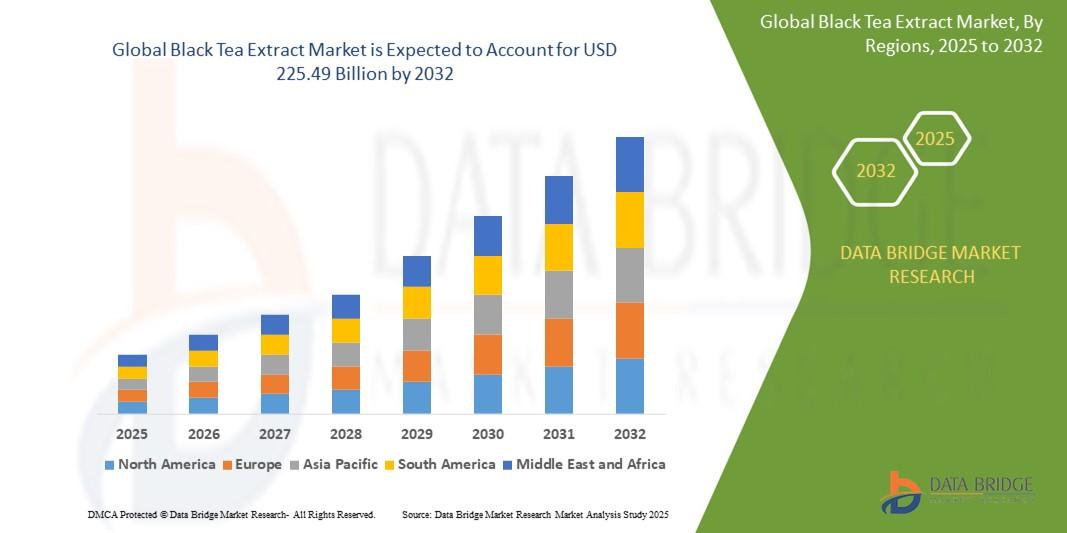
"Executive Summary Black Tea Extract Market Opportunities by Size and Share CAGR Value The global black tea extract market size was valued at USD 145.26 billion in 2024 and is expected to reach USD 225.49 billion by 2032, at a CAGR of 5.65% during the forecast period Black Tea Extract Market research report is a verified and consistent source of...
In a world overflowing with information, having the Rightanswer is more powerful than ever. Whether it's in personal decision-making, business strategies, education, or artificial intelligence, the difference between success and failure often lies in a single factor: having the right answer at the right time. But what exactly is Rightanswer? Is it a concept? A brand? A guiding principle? In...
"Key Drivers Impacting Executive Summary Asia-Pacific Industrial Machine Vision Market Size and Share CAGR Value The Asia-Pacific industrial machine vision market size was valued at USD 2.13 billion in 2024 and is expected to reach USD 3.67 billion by 2032, at a CAGR of 6.98% during the forecast period The report explains the vital developments about...
