


The Science of Sight: Insights from the Best Pediatric Eye Specialist
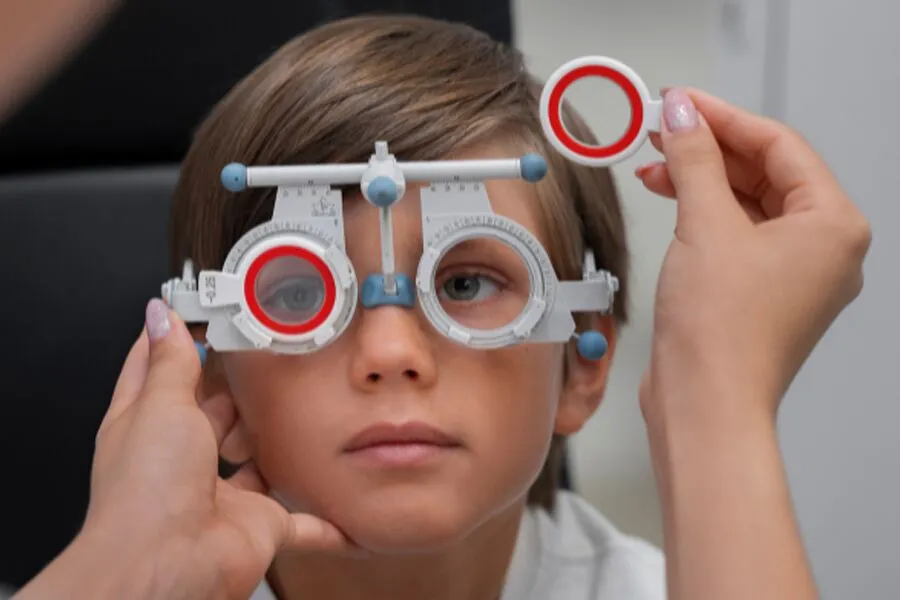
Children see the world differently—literally and figuratively. Their eyes are still developing, learning how to focus, adjust, and respond to light and movement. Early eye care is essential, not just for clear vision, but for a child’s confidence, development, and learning. This is where the expertise of a pediatric eye specialist becomes vital. Understanding the science behind sight helps caregivers recognize when their child may need more than just a pair of glasses. It helps them choose the right hands to trust their child's vision with.
Understanding How Children See
A child’s vision is not fully developed at birth. From infancy to adolescence, their visual system goes through many changes. The brain and the eyes must work together in harmony for accurate sight.
The best pediatric eye specialist understands that vision development is delicate. Even subtle issues—such as misalignment, blurred vision, or eye muscle imbalance—can interfere with a child’s ability to read, play, or interact confidently.
While some issues may be inherited, many can also arise from prolonged screen time, developmental delays, or unnoticed trauma. Recognizing the warning signs early allows for timely intervention and a brighter visual future.
Why Early Eye Care Matters
Many parents don’t realize how much a child’s overall development depends on healthy vision. Even mild eye conditions can lead to poor academic performance, social withdrawal, or misdiagnosis of learning disabilities.
Children often don’t complain because they may assume what they see is normal. That’s why periodic check-ups with a pediatric eye specialist are so important—especially before the age of 5, when treatments for certain conditions are most effective.
The best pediatric eye specialist is trained to detect early signs of problems even before a child can fully communicate symptoms. Their care blends science, observation, and a child-friendly approach.
Common Conditions a Pediatric Eye Specialist Treats
A number of eye issues are more common in children than adults. Many of these are manageable or curable when treated early. Here are some of the most frequently treated conditions:
-
Amblyopia (Lazy Eye)
A condition where one eye doesn’t develop proper vision. Early diagnosis and patching therapy or corrective lenses can improve sight significantly. -
Strabismus (Crossed Eyes)
Misalignment of the eyes that can lead to double vision or poor depth perception. Treated through glasses, vision therapy, or surgery if needed. -
Refractive Errors (Myopia, Hyperopia, Astigmatism)
Blurry vision due to the shape of the eye. Correctable with eyeglasses or contact lenses, and best detected through routine eye exams. -
Conjunctivitis (Pink Eye)
An inflammation caused by infection or allergies. It’s highly contagious but usually treatable with medication. -
Blocked Tear Ducts
Common in infants, leading to watery eyes or infections. Often resolves on its own, but a pediatric eye specialist will guide on when intervention is needed. -
Ptosis (Drooping Eyelid)
Can interfere with vision if severe. Sometimes requires surgical correction by a trained specialist.
Signs Your Child May Need a Pediatric Eye Specialist
Children may not always know how to describe their vision problems. Look for these behavioral and physical clues:
-
Frequent eye rubbing or blinking
-
Sitting too close to screens or holding books very near
-
Tilting the head or covering one eye while focusing
-
Complaints of headaches, especially after reading
-
Squinting or difficulty maintaining eye contact
-
Delayed motor skills or poor hand-eye coordination
-
Red, watery, or itchy eyes with no clear reason
-
Falling behind in school despite efforts
A visit to the best pediatric eye specialist can help clarify whether these signs point to a visual concern or something else.
What Happens During a Pediatric Eye Exam?
Exams for children are different from those for adults. Pediatric eye specialists use age-appropriate tools and methods to ensure accurate results and a comfortable experience.
Here’s what to expect:
-
Medical and Visual History
Gathering details about birth history, family vision problems, and developmental milestones. -
Vision Testing
Using letter charts, pictures, or lights to assess clarity at various distances. -
Eye Alignment and Movement
Evaluating how the eyes work together, track movement, and maintain focus. -
Internal and External Eye Examination
Using gentle lights and lenses to inspect the health of the eye structures. -
Prescription Check
Identifying the need for glasses or adjustments in existing prescriptions.
The entire process is designed to be child-friendly, calming, and informative for both the child and the parents.
Tips for Parents: Supporting Your Child’s Eye Health
You play a crucial role in your child’s visual development. Here’s how you can be proactive:
-
Schedule regular eye exams even without obvious symptoms
-
Limit screen time and encourage outdoor play
-
Make sure your child uses proper lighting while reading or studying
-
Teach children not to rub their eyes with unwashed hands
-
Ensure they wear protective eyewear during sports or activities
-
Monitor any family history of eye conditions and inform the specialist
-
Seek immediate care for any injuries, redness, or sudden vision changes
Your involvement, combined with the care of a pediatric eye specialist, helps ensure your child’s vision remains strong and clear throughout their growth.
Conclusion
Good vision is the foundation for a child’s development, learning, and self-esteem. From detecting subtle vision issues to guiding treatments with empathy and expertise, the best pediatric eye specialist offers more than clinical care—they offer a gateway to a better future for every child they treat.
At Maxi Vision Eye Hospital, we believe that children deserve specialized, compassionate, and scientifically advanced eye care. As a super speciality eye hospital, our focus is not just on correcting vision, but on nurturing sight and confidence. With expert pediatric eye specialists and a child-friendly environment, we’re here to protect the gift of vision—today and for the future.
Categorías
- Arts & Entertainment
- Causes
- Crafts
- Dance
- Drinks
- Film
- Health
- Food Trends
- Gaming
- Home & Garden
- Health & Fitness
- Literature
- Music & Concerts
- Networking
- Other
- Party
- Religion
- Shopping
- Sports
- Theater
- Wellness
- Cryptocurrency
- NFT Trends
- Coin update
- Lifestyle
- Business & Finance
- Entrepreneurship
- Marketing Strategies
- Personal Finance
- Investment Tips
- Industry Trends
- Technology
- Gadgets & Reviews
- Software & Apps
- Cybersecurity
- Emerging Technologies
- How-To Guides
- Educación
- Movie & TV Reviews
- Celebrity News
- Book Reviews
- Personal Development
- Motivation & Inspiration
- Life Hacks
- Community & Culture
- Local Events
- Cultural Insights
- Social Issues
- Interviews & Spotlights
- Volunteering & Activism
- Science & Nature
- Animal Behavior
- Beauty Tips
- Fashion Trends
- Product Reviews
- Food & Drink
- Cooking
- Restaurant Reviews
- Travel
- Arts & Crafts
- Photography
- Workout Routines
- Parenting Tips
- News
- Tips & Tricks
- Case Studies
- Product Reviews
- Interviews
- Opinion
- Research & Insights
- Events Coverage
- Personal Stories
- Anuncios
- Trends & Predictions
- Guest Posts
Read More
The Automotive Aramid Fiber Market is growing rapidly as the automotive sector increasingly adopts advanced materials to enhance performance, safety, and efficiency. Aramid fibers—high-strength, heat-resistant synthetic fibers—are used in critical automotive components that demand durability and lightweight properties. With the rise of electric vehicles, stricter safety...

"Battery Separator Market Size And Forecast by 2031 The revenue analysis and revenue forecast for the Battery Separator Market reveal a promising upward trajectory, driven by innovative product offerings, strategic collaborations, and expanding applications. With leaders in the industry focusing on enhanced customer experiences and operational efficiency, the market continues to present...

The Travel Comparison Revolution The modern world is a marvel of connectivity, yet planning a trip often feels like a logistical nightmare. You spend hours opening dozens of tabs checking one site for flights, another for hotels, and a third for rental cars. You constantly worry: Did I get the best deal? Is there a hidden fee lurking in the fine print? Welcome to Eazair, the solution built...

"Executive Summary Woodworking Circular Saw Blades Market : The global woodworking circular saw blades market size was valued at USD 53.17 million in 2023 and is projected to reach USD 81.60 million by 2031, with a CAGR of 5.5% during the forecast period 2024 to 2031. This global Woodworking Circular Saw Blades Market research report conducts methodical and comprehensive market...
Micro Server IC Market: Growth, Trends, and Forecast Till 2032 Introduction The Micro Server IC (Integrated Circuit) Market has been witnessing steady growth in recent years and is expected to continue expanding due to the increasing demand for energy-efficient and cost-effective computing solutions. Micro servers, which are designed to handle light computing tasks with minimal power...