


How to Choose the Right Manuka Honey Without Falling for Common Traps

Many people pick up Manuka honey expecting health miracles, only to end up with a jar that doesn’t deliver. Learn how to avoid the common pitfalls and choose a jar that’s truly worth your money.
The Confusion Behind Specialty Honey Labels
Walk into any health store or scroll through an online wellness shop, and you’ll see it: shelves lined with jars of Manuka honey, each promising purity, potency, and healing power. Yet, for every premium product, there’s a lookalike with fancy packaging and little actual benefit.
Manuka honey has earned its reputation because of its natural antibacterial qualities, but the tricky part lies in understanding the labels and certifications. Terms like MGO, UMF, active rating, and “raw” are plastered across labels. But what do they really mean? And more importantly, how can you tell if you're buying something effective—or just expensive syrup?
That’s where most buyers stumble. And it’s not their fault—honey labeling isn’t exactly beginner-friendly. But choosing the wrong jar can mean wasting money on a product that doesn’t deliver the health benefits Manuka is known for.
Problem: Most People Don't Understand What They're Buying
If you’ve ever been confused by numbers like 100+ or 20+ on a Manuka label, you’re not alone. Many people don’t realize those numbers can refer to different things—sometimes even misleading ones.
The key mistake? Not knowing the difference between MGO and UMF ratings.
These two are not interchangeable. Yet many brands toss them around without explanation, which can lead to customers buying a lower-grade product thinking it’s high-quality.
Let’s break it down:
-
MGO (Methylglyoxal) measures the actual concentration of the antibacterial compound in the honey.
-
UMF (Unique Manuka Factor) is a broader certification that includes MGO but also considers leptosperin, DHA, and overall authenticity. It's more comprehensive, but not all brands go through the stringent process to get it.
So when comparing “manuka honey mgo vs umf”, understanding what each rating truly reflects is critical. For example, an MGO 100+ product might seem impressive, but it doesn’t necessarily indicate the same level of overall quality and antibacterial strength as a UMF 10+ product.
And here’s the kicker: not every high-numbered jar is created equal. A high MGO with no UMF certification could mean it wasn’t even tested for authenticity. That leaves buyers paying premium prices for something that might not be the real deal.
Agitate: The Real Cost of Choosing the Wrong Honey
Emma, a mother of two living in Parramatta, recently decided to try Manuka honey after reading about its benefits for her kids’ recurring sore throats. At a local health store, she picked up a glossy jar labeled “Active Manuka Honey 20+”—assuming it was high strength and genuine. The price tag? $45.
Within a few weeks, she noticed no change. Frustrated, she did some digging and discovered the “20+” rating wasn’t certified by UMF or even an MGO measure—it was a marketing term used by the brand to suggest potency without any scientific backing.
Feeling misled, Emma sought advice from a nutritionist who recommended a UMF-certified Manuka with a clearly labeled MGO score to match. The new jar, although similarly priced, actually helped soothe her kids’ symptoms within days.
Her story’s not unique. Across Sydney and Greater Western Sydney—places like Blacktown, Liverpool, and Parramatta—people are spending on specialty honey without understanding what they’re buying. The consequences aren’t dangerous, but they are disappointing: wasted money, wasted time, and the frustration of being misled by clever packaging.
Solution: How to Choose the Right Jar Without Guesswork
The good news? With just a little knowledge, you can confidently pick a best manuka product that lives up to its claims.
Here’s what to look for:
1. Look for UMF Certification
UMF is issued by the Unique Manuka Factor Honey Association in New Zealand. If it’s on the label, the product has been independently tested and verified for purity and potency. No UMF? Be cautious.
2. Check the MGO Rating
While UMF is the gold standard, knowing the MGO helps you understand antibacterial strength directly. For instance:
-
UMF 10+ usually equals around MGO 263+
-
UMF 15+ equals MGO 514+
-
UMF 20+ equals MGO 829+
If a jar lists MGO but not UMF, verify the brand’s credibility. Some trustworthy brands skip UMF certification to save on costs but still maintain high testing standards.
3. Be Wary of Vague Terms
Labels like “active,” “bio-active,” or “total activity” are not standardized. These often refer to peroxide activity, which breaks down in the body and offers little health value compared to non-peroxide antibacterial activity like MGO.
4. Buy from Reputable Sellers
Whether you’re shopping online or in-store around Parramatta or nearby areas like Ryde or Auburn, choose a seller with transparent sourcing. If they can't answer your questions about the honey’s origin or testing, that’s a red flag.
Case Study: How Knowledge Turned a Bad Purchase Into a Smart Choice
Let’s return to Emma. After her initial mistake, she started buying Manuka honey from a local wellness shop in Parramatta that only stocks UMF-certified brands. The staff explained the manuka honey mgo vs umf difference in clear terms and even provided a brochure comparing the scales.
She chose a UMF 15+ product with a verified MGO of 514+. It became a regular item in her kitchen—not just for sore throats, but for treating small cuts and boosting the family’s immunity during winter. This time, her money went toward something that worked. And the peace of mind? Priceless.
Real-World Tips for Everyday Buyers
You don’t need to be a chemist to pick good honey. Here are quick, real-world tips to keep in mind:
-
Ignore hype terms like “premium” unless backed by UMF or MGO.
-
Stick to 10+ UMF or MGO 263+ as a minimum if you're buying for health reasons.
-
Store it properly. Keep your honey in a cool, dry place—heat can break down the active compounds.
-
Ask questions. Don’t be afraid to quiz your seller on the source, certification, and testing of their Manuka honey.
Final Thoughts: Quality Matters More Than Hype
Buying Manuka honey doesn’t have to be confusing. Once you understand the difference between UMF and MGO, and how to spot a trustworthy label, you’ll save money, avoid the duds, and actually see results from your purchase.
Don’t settle for fancy marketing and empty promises. If you're serious about choosing the best manuka product, always look for verified, transparent labeling backed by science—not just bold numbers on the front of a jar.
Need help choosing genuine products or dealing with home wellness challenges that attract pests and bacteria? Our experts can help you sort through the confusion—because health starts with what you bring into your home.
📱61401384788
Categorieën
- Arts & Entertainment
- Causes
- Crafts
- Dance
- Drinks
- Film
- Health
- Food Trends
- Gaming
- Home & Garden
- Health & Fitness
- Literature
- Music & Concerts
- Networking
- Other
- Party
- Religion
- Shopping
- Sports
- Theater
- Wellness
- Cryptocurrency
- NFT Trends
- Coin update
- Lifestyle
- Business & Finance
- Entrepreneurship
- Marketing Strategies
- Personal Finance
- Investment Tips
- Industry Trends
- Technology
- Gadgets & Reviews
- Software & Apps
- Cybersecurity
- Emerging Technologies
- How-To Guides
- Onderwijs
- Movie & TV Reviews
- Celebrity News
- Book Reviews
- Personal Development
- Motivation & Inspiration
- Life Hacks
- Community & Culture
- Local Events
- Cultural Insights
- Social Issues
- Interviews & Spotlights
- Volunteering & Activism
- Science & Nature
- Animal Behavior
- Beauty Tips
- Fashion Trends
- Product Reviews
- Food & Drink
- Cooking
- Restaurant Reviews
- Travel
- Arts & Crafts
- Photography
- Workout Routines
- Parenting Tips
- News
- Tips & Tricks
- Case Studies
- Product Reviews
- Interviews
- Opinion
- Research & Insights
- Events Coverage
- Personal Stories
- Mededelingen
- Trends & Predictions
- Guest Posts
Read More
" Intelligent Traffic Management System Market Market - Overview, Size, Share, Industry Trends and Opportunities Global Intelligent Traffic Management System Market Segmentation, By Solution (Traffic Monitoring System, Traffic Signal Control System, Traffic Enforcement Camera, Integrated Corridor Management, Intelligent Driver Information System, and Others), Offering (Hardware,...

In today’s fast-paced financial world, making sure that transactions run smoothly and align with legal standards is essential for everyone—from individuals to businesses. Finance law firms in Beirut, Lebanon play a key role in helping clients navigate the complex terrain of financial transactions. They offer invaluable expertise across various areas, including acquisition...
As industries continue to pursue faster production cycles and superior joint strength, projection welders have emerged as a cornerstone technology in metal fabrication. Their ability to join metal components with pinpoint accuracy and minimal thermal distortion makes them indispensable across automotive, electronics, and appliance manufacturing. What is Projection Welding?...

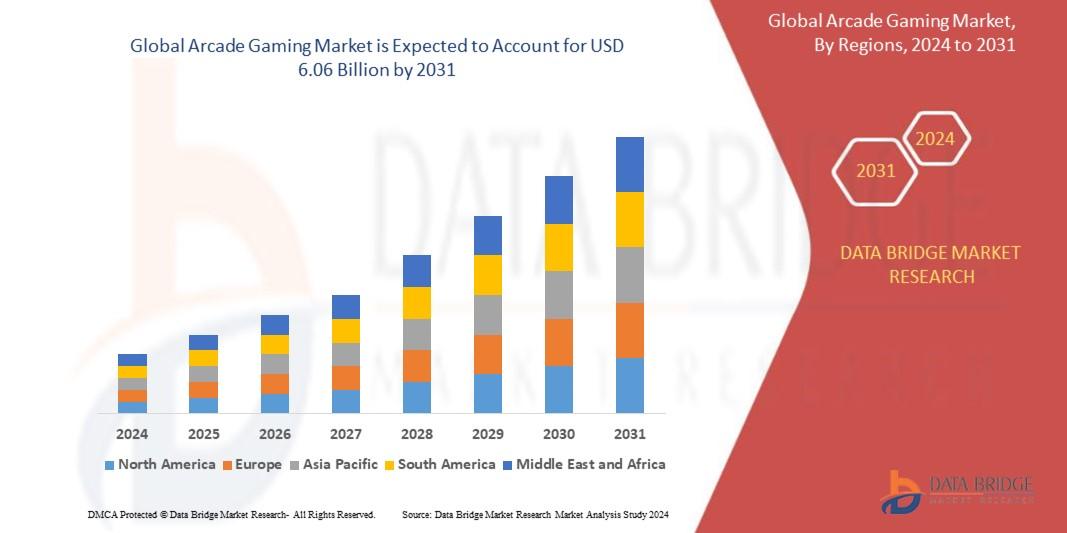
Executive Summary Arcade Gaming Market : The global arcade gaming market size was valued at USD 4.25 billion in 2024 and is projected to reach USD 6.38 billion by 2032, with a CAGR of 5.20% during the forecast period of 2025 to 2032. In addition to the insights on market scenarios such as market value, growth rate, segmentation, geographical coverage, and major players, the market...
The global Extracellular Vesicles Based Liquid Biopsy Industry is undergoing a transformative shift in the landscape of non-invasive diagnostics. Extracellular vesicles (EVs), including exosomes, microvesicles, and apoptotic bodies, are tiny membrane-bound particles released by cells into bodily fluids like blood, urine, and saliva. These vesicles act as "molecular messengers,"...
