Etadol 100mg vs. Ibuprofen: Best for Severe Period Pain?

Menstrual cramps (dysmenorrhea) affect the majority of women, with some experiencing severe cramps that disrupt daily activities. Over-the-counter (OTC) drugs like ibuprofen and prescription medications like Etadol 100mg (etodolac) are commonly used for relief. Their effectiveness, mechanism of action, and side effects differ significantly.
In this post, we'll do a thorough comparison of Etadol 100mg (etodolac) and ibuprofen so you can determine which is best for painful periods. We'll cover how each drug works, dosing for both drugs, the possible side effects, and which of the two drugs is more suitable for heavy menstrual cramps. Whether you prefer long-lasting relief or the ease of use of an over-the-counter (OTC) drug, this comparison will help you make an informed decision for better pain relief.
This in-depth comparison explores:
-
Active ingredients (etodolac vs. ibuprofen)
-
How do they work for menstrual cramps
-
Dosage & effectiveness
-
Side effects & safety
-
Which is better for bad menstrual cramps?
1. Understanding the Active Ingredients
Etadol 100mg (Etodolac)
-
Active Ingredient: Etodolac (an NSAID – Non-Steroidal Anti-Inflammatory Drug)
-
Brand Names: Lodine, Etogesic, Etopan
-
Type: Prescription NSAID (stronger than OTC versions)
-
Primary Use: Osteoarthritis, rheumatoid arthritis, acute pain (including menstrual cramps)
How Etodolac Works
Etodolac blocks COX-2 enzymes more selectively than COX-1, suppressing inflammation and pain with less risk of irritating the stomach than conventional NSAIDs such as ibuprofen.
Ibuprofen
-
Active Ingredient: Ibuprofen (also an NSAID)
-
Brand Names: Advil, Motrin, Nurofen
-
Type: Over-the-counter (OTC) NSAID
-
Primary Use: Mild to moderate pain, fever, inflammation
How Ibuprofen Works
Ibuprofen blocks both COX-1 and COX-2 enzymes, inhibiting prostaglandin production (pain- and inflammation-inducing chemicals). But non-selective activity increases the risk of stomach irritation.
2. Effectiveness for Severe Period Pain
Etodolac (Etadol 100mg) for Menstrual Cramps
-
Stronger pain relief than standard OTC NSAIDs.
-
Longer-lasting effect (up to 8-12 hours per dose).
-
Better for severe dysmenorrhea due to higher potency.
-
Prescription required, making it less accessible than ibuprofen.
Clinical Evidence:
Studies show etodolac effectively reduces prostaglandin-induced uterine contractions, providing significant relief for severe cramps.
Ibuprofen for Menstrual Cramps
-
Effective for mild to moderate pain.
-
Brief duration (4-6 hours per dose).
-
Easily found and available OTC, qualifying as a first-line option.
-
Potentially may not be strong enough for severe dysmenorrhea.
Clinical Evidence:
Ibuprofen is well studied for menstrual cramps but may require higher doses (400-600mg every 6 hours) for worse symptoms, with a greater risk of side effects.
3. Dosage Comparison
| Medication | Standard Dose for Period Pain | Maximum Daily Dose | Duration of Action |
|---|---|---|---|
| Etodolac (Etadol 100mg) | 100-200mg every 8-12 hours | 1200mg/day | 8-12 hours |
| Ibuprofen | 200-400mg every 4-6 hours | 3200mg/day (1200mg for OTC) | 4-6 hours |
Key Takeaway:
-
Etodolac lasts longer, requiring fewer doses.
-
Ibuprofen has to be redosed often, increasing risk of stomach irritation.
4. Side Effects & Safety
Etodolac (Etadol 100mg) Side Effects
-
Common: Indigestion, heartburn, dizziness.
-
Severe (rare): Stomach ulcers, kidney issues, heart dangers (with long-term use).
-
COX-2 selectivity reduces (but does not entirely remove) stomach dangers.
Ibuprofen Side Effects
-
Common: Indigestion, nausea, heartburn.
-
Severe (with high/long-term usage): Ulcers, kidney damage, increased heart attack risk.
-
Increased GI irritation risk due to COX-1 inhibition.
Who Should Not Take NSAIDs?
-
People with stomach ulcers, kidney disease, or heart disease.
-
Asthma patients (NSAIDs may trigger attacks).
5. Which is Better for Severe Period Pain?
| Factor | Etadol 100mg (Etodolac) | Ibuprofen |
|---|---|---|
| Pain Relief Strength | Stronger (better for severe pain) | Moderate (best for mild-moderate pain) |
| Duration of Action | Longer (8-12 hours) | Shorter (4-6 hours) |
| Side Effects | Lower stomach risk (COX-2 selective) | Higher stomach risk (COX-1 inhibition) |
| Accessibility | Prescription-only | OTC (easily available) |
| Cost | Higher (brand-name options) | Lower (generic available) |
When to Choose Etodolac (Etadol 100mg)?
✔ Bilateral, crippling cramps not controlled by OTC drugs.
✔Necessity for sustained relief (eg, sleep/work without recurrence of dosing).
✔ Gastric sensitivity (etodolac is milder than ibuprofen).
When to Choose Ibuprofen?
✔ Mild to moderate pain.
✔ Rapid availability of OTC.
✔ Lower cost.
6. Other Treatment of Bad Period Pain
If NSAIDs are not effective or have side effects, try:
-
Heat therapy (hot pads improve blood flow).
-
Hormonal birth control (reduces prostaglandin production).
-
Magnesium supplements might ease muscle spasms.
-
Prescription: Tapentadol (Nucynta)—an opioid-like drug—for severe cases (but risk of dependence).
7. Final Verdict: Etodolac vs. Ibuprofen
-
For severe period cramps, Etadol 100mg (etodolac) is superior due to stronger, longer relief and less stomach upset.
-
For mild to moderate pain, Ibuprofen is sufficient and more readily available.
Consult with a doctor first before changing medications, especially if you have ongoing health conditions.
Conclusion
Both Etadol 100mg (etodolac) and ibuprofen work effectively when it comes to menstrual cramps, with one being more powerful, longer-lasting, and having more side effects than the other. Etodolac is best for severe cramps, while ibuprofen is best for mild pain. Always follow dosage guidelines and visit a doctor when having persistent or severe menstrual cramps.
Categories
- Arts & Entertainment
- Causes
- Crafts
- Dance
- Drinks
- Film
- Health
- Food Trends
- Gaming
- Home & Garden
- Health & Fitness
- Literature
- Music & Concerts
- Networking
- Other
- Party
- Religion
- Shopping
- Sports
- Theater
- Wellness
- Cryptocurrency
- NFT Trends
- Coin update
- Lifestyle
- Business & Finance
- Entrepreneurship
- Marketing Strategies
- Personal Finance
- Investment Tips
- Industry Trends
- Technology
- Gadgets & Reviews
- Software & Apps
- Cybersecurity
- Emerging Technologies
- How-To Guides
- Education
- Movie & TV Reviews
- Celebrity News
- Book Reviews
- Personal Development
- Motivation & Inspiration
- Life Hacks
- Community & Culture
- Local Events
- Cultural Insights
- Social Issues
- Interviews & Spotlights
- Volunteering & Activism
- Science & Nature
- Animal Behavior
- Beauty Tips
- Fashion Trends
- Product Reviews
- Food & Drink
- Cooking
- Restaurant Reviews
- Travel
- Arts & Crafts
- Photography
- Workout Routines
- Parenting Tips
- News
- Tips & Tricks
- Case Studies
- Product Reviews
- Interviews
- Opinion
- Research & Insights
- Events Coverage
- Personal Stories
- Announcements
- Trends & Predictions
- Guest Posts
Read More
Infertility is becoming a growing health issue across the world. Today, many couples face difficulties in conceiving due to changing lifestyles, environmental factors, stress, and health conditions. Infertility not only affects physical health but also has emotional, social, and psychological impacts on individuals and families. What is Infertility? Infertility is the inability to conceive...

A Web3 development agency specializes in building decentralized applications and infrastructure that power the next generation of the internet. Services include dApp development, smart contracts, NFT platforms, DAO creation, and DeFi solutions. These agencies work across blockchains like Ethereum, Solana, and Polkadot, ensuring interoperability and scalability. They help startups and...

When it comes to finding a convenient and powerful vaping experience, Knockout Disposable Vape is a top contender for your next favorite device. Offering an unmatched combination of powerful cannabinoids and smooth flavor, Knockout Blend Disposable Vape delivers a potent and satisfying hit each time. Whether you're a seasoned vaper or a beginner, this device is designed for all experience...

In today’s fast-evolving mobile landscape, launching an Android app is only the beginning. The real challenge lies in scaling—making sure your app performs seamlessly as user demand increases, new features are added, and technology evolves. This is where the expertise of a professional Android app development company becomes crucial. Scalability isn’t just a technical...
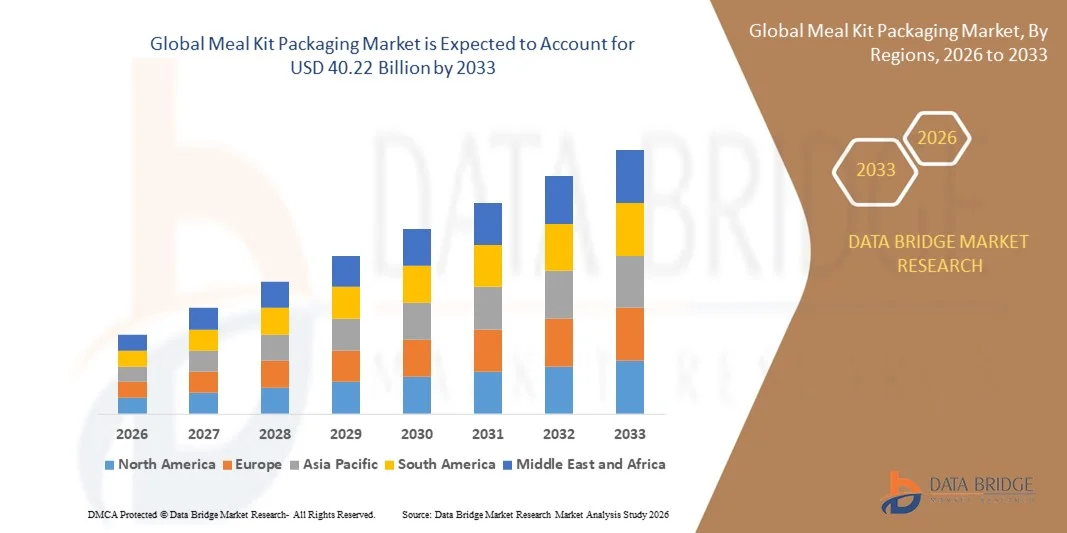
"Latest Insights on Executive Summary Meal Kit Packaging Market Share and Size The global meal kit packaging market size was valued at USD 13.15 billion in 2025 and is expected to reach USD 40.22 billion by 2033, at a CAGR of 15.0% during the forecast period. This Meal Kit Packaging Market research report is an absolute overview of the market that spans...