Improving Energy Efficiency in Forging Heating Furnaces
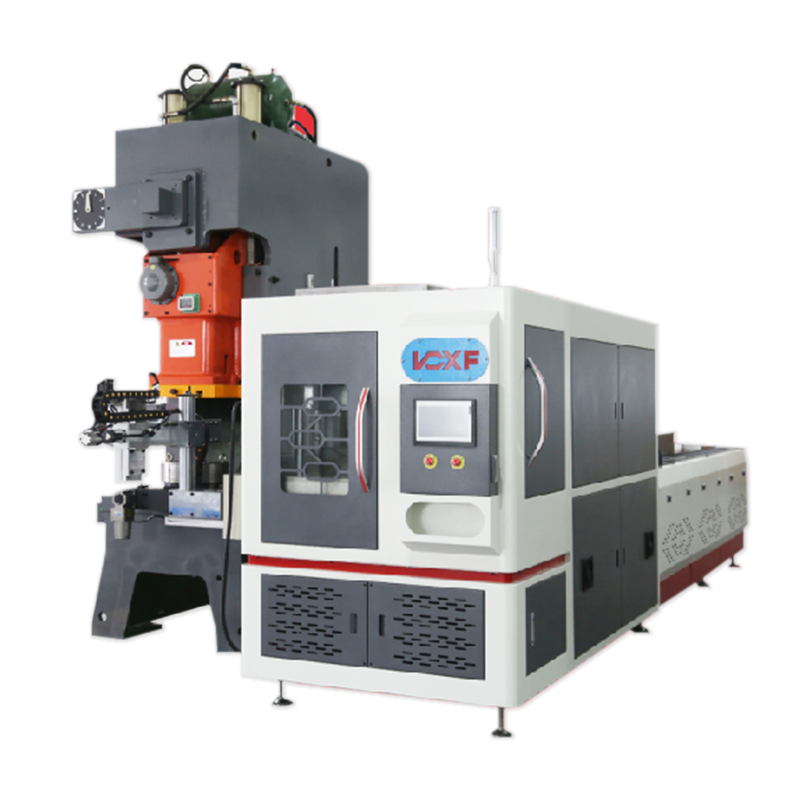
In today's manufacturing landscape, energy efficiency is an increasingly important consideration. This is especially true for industries that rely on heavy-duty machinery and equipment, such as forging. Forging heating furnaces, which are used to heat metals before they are forged into shape, can consume a significant amount of energy during the heating process. As energy costs rise and environmental concerns grow, manufacturers are continuously seeking ways to optimize the energy efficiency of their forging heating furnaces.
One of the key advancements in forging heating furnace technology is the development of improved insulation materials. Insulation plays a crucial role in reducing heat loss during the heating process. Modern furnaces often incorporate advanced insulation materials, such as ceramic fibers or refractory bricks, which help to contain the heat within the furnace and prevent it from escaping into the surrounding environment. By reducing heat loss, these materials help ensure that more of the energy is used to heat the metal, improving overall furnace efficiency.
Another advancement in forging heating furnace technology is the integration of heat recovery systems. Many modern furnaces are equipped with systems that capture and reuse waste heat generated during the heating process. This heat recovery can be used to pre-heat the incoming air or fuel, which reduces the overall energy consumption required to reach the desired temperature. Heat recovery systems can lead to significant reductions in energy costs and also contribute to a more sustainable manufacturing process by minimizing waste energy.
Automated temperature control systems have also made a significant impact on the energy efficiency of forging heating furnaces. By using advanced sensors and computer algorithms, these systems continuously monitor and adjust the furnace temperature to ensure that it remains within an optimal range. This not only ensures that the metal is heated accurately but also prevents overheating, which can waste energy and reduce furnace life. Automated systems can be programmed to adjust furnace settings based on the specific requirements of the workpiece, further optimizing energy use.
Finally, there has been a move toward induction heating in many forging applications. Induction furnaces are more energy-efficient than traditional gas-fired or electric resistance furnaces because they heat the metal directly through electromagnetic induction, which reduces energy loss. Induction heating also allows for faster heating times, which can increase production throughput and reduce overall energy consumption.
In conclusion, advancements in energy-efficient technologies are helping to reduce the environmental impact and operating costs associated with forging heating furnaces. Through improved insulation, heat recovery systems, automated controls, and the adoption of induction heating, manufacturers can optimize the energy consumption of their forging processes. These innovations not only improve the sustainability of forging operations but also offer potential cost savings, making energy-efficient forging heating furnaces an attractive option for modern manufacturers.
Categorias
- Arts & Entertainment
- Causes
- Crafts
- Dance
- Drinks
- Film
- Health
- Food Trends
- Gaming
- Home & Garden
- Health & Fitness
- Literature
- Music & Concerts
- Networking
- Outro
- Party
- Religion
- Shopping
- Sports
- Theater
- Wellness
- Cryptocurrency
- NFT Trends
- Coin update
- Lifestyle
- Business & Finance
- Entrepreneurship
- Marketing Strategies
- Personal Finance
- Investment Tips
- Industry Trends
- Technology
- Gadgets & Reviews
- Software & Apps
- Cybersecurity
- Emerging Technologies
- How-To Guides
- Educação
- Movie & TV Reviews
- Celebrity News
- Book Reviews
- Personal Development
- Motivation & Inspiration
- Life Hacks
- Community & Culture
- Local Events
- Cultural Insights
- Social Issues
- Interviews & Spotlights
- Volunteering & Activism
- Science & Nature
- Animal Behavior
- Beauty Tips
- Fashion Trends
- Product Reviews
- Food & Drink
- Cooking
- Restaurant Reviews
- Travel
- Arts & Crafts
- Photography
- Workout Routines
- Parenting Tips
- News
- Tips & Tricks
- Case Studies
- Product Reviews
- Interviews
- Opinion
- Research & Insights
- Events Coverage
- Personal Stories
- Avisos
- Trends & Predictions
- Guest Posts
Leia Mais
The industrial landscape is evolving, and with it, the necessity for robust safety protocols in volatile environments. Hazardous Area Equipment Market is witnessing a significant surge as industries like oil and gas, chemicals, and pharmaceuticals prioritize the protection of personnel and assets against the risk of explosions and fires. Market Overview Hazardous area equipment refers...

Jersey Club music is an electrifying genre known for its infectious beats, rapid-fire transitions, and club-shaking energy. It has taken over dance floors and online platforms, with DJs shaping its evolution through creative techniques. Among them, Tricks Music Artist, representing This is Tricks, has mastered the genre’s signature sound. This blog explores essential Jersey Club DJ...

Industrial cleaning demands precision, speed, and safety—qualities that traditional methods like chemical cleaning, abrasive blasting, and manual scrubbing often fail to provide. As industries move toward more efficient and environmentally responsible technology, the pulsed laser cleaning machine is emerging as the new benchmark for surface treatment and rust removal. Built for...

The entire world of on the web gambling has grown fast lately, and position games stay certainly one of typically the most popular possibilities for players around the globe. Locating the very best slot website on line could make an important huge difference in the overall gaming experience. A reliable program offers interesting activities, easy performance, secure transactions, and worthwhile...