Surgical Handpieces: Types, Benefits & Maintenance Guide for Optimal Performance

Surgical handpieces play a vital role in modern dental, medical, and surgical procedures. These precision-engineered tools help surgeons perform various tasks like cutting, drilling, polishing, or shaping bones and teeth with maximum accuracy. Whether used in dental surgery, orthopedic procedures, or ENT operations, surgical handpieces ensure efficiency, safety, and high-quality results.
In this article, we will explore the types of surgical handpieces, their benefits, common applications, and essential maintenance tips to extend their lifespan.
What Are Surgical Handpieces?
Surgical handpieces are specialized tools designed for use in surgical environments. These instruments are powered devices that assist medical professionals in performing precise surgical procedures. The design of surgical handpieces ensures smooth operation with controlled speed, torque, and reduced heat generation, which is crucial for patient safety.
Types of Surgical Handpieces
There are several types of surgical handpieces available based on their functionality, speed, and application. Below are the most commonly used surgical handpieces:
1. High-Speed Surgical Handpieces
High-speed handpieces are commonly used in dental and surgical procedures for cutting hard tissues like bone or enamel. They operate at speeds of up to 400,000 RPM, allowing for efficient cutting with reduced pressure on the surgeon’s hand.
2. Low-Speed Surgical Handpieces
Low-speed handpieces are used for polishing, drilling, or finishing procedures. They usually operate at speeds between 5,000 to 40,000 RPM. These are ideal for procedures that require more control and precision.
3. Surgical Implant Handpieces
Specifically designed for dental implant procedures, these handpieces provide high torque and stable speed for bone drilling and implant placement. They ensure minimal heat generation to protect bone tissue.
4. Electric Surgical Handpieces
Electric-powered surgical handpieces offer consistent torque and precision cutting. They are quieter compared to air-driven handpieces and provide better control during complex surgeries.
5. Air-Driven Surgical Handpieces
These handpieces are powered by compressed air and are lightweight and easy to handle. They are commonly used for routine dental procedures and minor surgeries.
Benefits of Using Surgical Handpieces
1. Precision & Accuracy
Surgical handpieces are engineered to provide superior control, allowing surgeons to perform delicate procedures with precision.
2. Speed & Efficiency
With high-speed rotation and torque, these handpieces allow faster cutting, reducing surgery time and enhancing patient comfort.
3. Versatility
Surgical handpieces come with various attachments and accessories, making them suitable for a wide range of surgical applications like dental implants, bone cutting, and polishing.
4. Ergonomic Design
Modern surgical handpieces are designed to be lightweight and comfortable to reduce hand fatigue during prolonged procedures.
5. Patient Safety
By minimizing heat generation and providing controlled cutting, surgical handpieces ensure optimal patient safety and successful outcomes.
Applications of Surgical Handpieces
Surgical handpieces are used across various medical fields, including:
-
Dental Surgery
-
Orthopedic Surgery
-
Maxillofacial Surgery
-
ENT Surgery (Ear, Nose, Throat)
-
Implantology Procedures
-
Neurosurgery
How to Maintain Surgical Handpieces for Optimal Performance
Proper care and maintenance of surgical handpieces are essential to ensure longevity, performance, and safety. Below are expert maintenance tips:
1. Cleaning After Each Use
Always clean surgical handpieces immediately after use to remove biological debris and prevent contamination.
2. Lubrication
Lubricate the internal components regularly as recommended by the manufacturer to ensure smooth operation and prevent wear and tear.
3. Sterilization
Use autoclaves or sterilization units approved for surgical handpieces. Follow specific sterilization cycles to avoid damage.
4. Inspection & Servicing
Conduct regular inspections for damage, worn parts, or malfunctioning components. Schedule professional servicing as per guidelines.
5. Use Original Spare Parts
Always use genuine parts and accessories for replacement to maintain the quality and performance of surgical handpieces.
Factors to Consider Before Buying Surgical Handpieces
If you’re planning to purchase surgical handpieces for your clinic or hospital, consider these factors:
-
Type of Procedure Requirements
-
Power Source (Air-Driven or Electric)
-
Speed & Torque Specifications
-
Compatibility with Attachments
-
Sterilization Compatibility
-
Warranty & After-Sales Service
Investing in high-quality surgical handpieces ensures long-term reliability, safety, and patient satisfaction.
Final Thoughts
Surgical handpieces are essential tools in the medical and dental field, offering precision, speed, and safety in surgical procedures. Proper selection, regular maintenance, and correct usage of surgical handpieces not only improve surgical outcomes but also enhance the lifespan of these vital instruments.
Whether you’re a dental surgeon, orthopedic specialist, or medical practitioner, understanding the features and maintenance of surgical handpieces can significantly impact your practice's success and patient care.
Categories
- Arts & Entertainment
- Causes
- Crafts
- Dance
- Drinks
- Film
- Health
- Food Trends
- Gaming
- Home & Garden
- Health & Fitness
- Literature
- Music & Concerts
- Networking
- Other
- Party
- Religion
- Shopping
- Sports
- Theater
- Wellness
- Cryptocurrency
- NFT Trends
- Coin update
- Lifestyle
- Business & Finance
- Entrepreneurship
- Marketing Strategies
- Personal Finance
- Investment Tips
- Industry Trends
- Technology
- Gadgets & Reviews
- Software & Apps
- Cybersecurity
- Emerging Technologies
- How-To Guides
- Education
- Movie & TV Reviews
- Celebrity News
- Book Reviews
- Personal Development
- Motivation & Inspiration
- Life Hacks
- Community & Culture
- Local Events
- Cultural Insights
- Social Issues
- Interviews & Spotlights
- Volunteering & Activism
- Science & Nature
- Animal Behavior
- Beauty Tips
- Fashion Trends
- Product Reviews
- Food & Drink
- Cooking
- Restaurant Reviews
- Travel
- Arts & Crafts
- Photography
- Workout Routines
- Parenting Tips
- News
- Tips & Tricks
- Case Studies
- Product Reviews
- Interviews
- Opinion
- Research & Insights
- Events Coverage
- Personal Stories
- Announcements
- Trends & Predictions
- Guest Posts
Read More
The Char Dham Yatra by Helicopter has emerged as an exceptional way for pilgrims and spiritual seekers to embark on this holy journey. Traditionally, the Char Dham Yatra Places—Yamunotri, Gangotri, Kedarnath, and Badrinath—are visited by thousands of devotees every year. However, trekking to these sites can be challenging, especially for elderly devotees or those with time...

Tree removal is often a necessary task for homeowners, whether due to disease, storm damage, or landscaping changes. However, professional tree removal services can be expensive, leaving many property owners searching for affordable alternatives. The good news is that it’s possible to save money on tree removal without compromising safety. In this guide, we’ll explore cost-effective...

"The Workspace Stress Management Market sector is undergoing rapid transformation, with significant growth and innovations expected by 2032. In-depth market research offers a thorough analysis of market size, share, and emerging trends, providing essential insights into its expansion potential. The report explores market segmentation and definitions, emphasizing key components and...
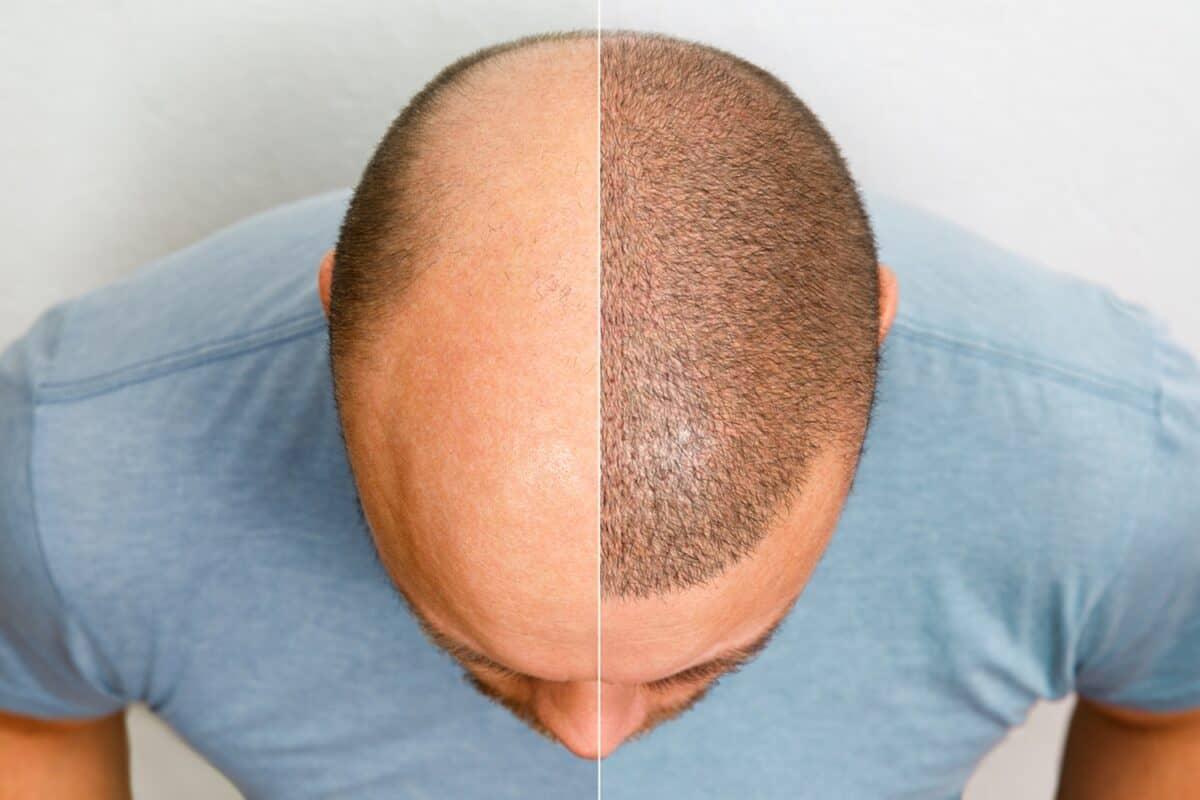
Hair loss is a global concern, affecting both men and women and influencing confidence, self-esteem, and lifestyle. With the rise of advanced medical technologies, hair restoration has become a safe and effective solution. hair transplant in saudi arabia has emerged as a leading option for patients seeking long-lasting and natural results. Clinics such as Enfield Royal Clinic Riyadh not...
Dermal fillers in Dubai (حشوات الجلدية في دبي) have become one of the most trusted and popular non-surgical cosmetic treatments for enhancing facial features and restoring youthful volume. People from around the world choose Dubai for aesthetic procedures because of its advanced medical standards, skilled practitioners, and patient-focused approach. When performed at a reputable facility like...