Everything You Need to Know About Glioblastoma Multiforme: Answers to 13 Common Questions
Glioblastoma Multiforme (GBM) is one of the most aggressive and complex brain tumors. With its rapid progression and challenging treatment, patients and their families often have many questions. Below, we answer 13 of the most commonly asked questions about GBM to provide clarity and support.
1. What Is Glioblastoma Multiforme (GBM)?
Glioblastoma Multiforme (GBM) is a fast-growing, highly malignant brain tumor that arises from glial cells. It is the most common and deadliest type of primary brain tumor in adults. Unlike other brain tumors, GBM spreads quickly and infiltrates surrounding brain tissue, making complete removal nearly impossible.
2. What Are the Symptoms of Glioblastoma Multiforme?
The symptoms of glioblastoma multiforme can vary depending on the tumor’s location in the brain. Since GBM affects normal brain function, symptoms may develop rapidly and worsen over time. Common symptoms include:
-
Persistent headaches, often worse in the morning
-
Seizures
-
Nausea and vomiting
-
Memory loss or cognitive impairment
-
Personality changes, including mood swings or irritability
-
Weakness or numbness on one side of the body
-
Difficulty with speech or vision
If you experience persistent neurological symptoms, seeking medical attention is crucial.
3. How Is Glioblastoma Multiforme Diagnosed?
GBM diagnosis typically involves multiple imaging tests, such as MRI and CT scans, followed by a biopsy to confirm the presence of cancerous cells. MRI scans are the preferred imaging method as they provide detailed images of the brain, helping doctors determine the tumor’s location, size, and spread. CT scans may also be used, particularly in emergency settings, to detect brain abnormalities. A biopsy, where a small tissue sample is extracted and analyzed, is essential for confirming GBM.
4. What Causes GBM?
The exact cause of GBM remains unknown, but genetic mutations and environmental factors may play a role. Some research suggests that exposure to high doses of radiation, prolonged use of certain chemicals, or inherited genetic conditions could increase the risk. However, most cases occur sporadically without a clear cause.
5. Who Is at Risk for GBM?
GBM can affect anyone, but it is more common in older adults (ages 50–70) and men. Other potential risk factors include:
-
A family history of brain tumors
-
Exposure to radiation therapy
-
Weakened immune system
Despite these risk factors, GBM can develop in individuals with no known predisposition.
6. What Are the Treatment Options?
GBM treatment is aggressive and often involves a combination of therapies, including:
-
Surgery: The first step in treatment is surgical removal of as much of the tumor as possible. However, complete removal is challenging due to GBM's infiltrative nature.
-
Radiation Therapy: Following surgery, radiation therapy is used to target and destroy remaining cancer cells.
-
Chemotherapy: The oral drug temozolomide (TMZ) is the standard chemotherapy for GBM, helping slow tumor progression.
-
Clinical Trials: Many patients explore participation in clinical trials that test new drugs, immunotherapies, and experimental treatments.
7. Can GBM Be Cured?
Currently, there is no cure for GBM. However, treatments can help extend survival and improve quality of life. The prognosis depends on factors such as age, overall health, and response to therapy. Research is ongoing, and advancements in targeted treatments and immunotherapies may improve outcomes in the future.
8. How Long Do GBM Patients Usually Live?
The prognosis for GBM is challenging. With standard treatment, the average survival time is about 12–15 months. However, some patients live beyond two years, particularly those receiving advanced treatments through clinical trials. Without treatment, survival is typically only a few months.
9. What Are the Side Effects of Treatment?
While GBM treatments aim to slow tumor growth, they can cause significant side effects, including:
-
Fatigue
-
Nausea and vomiting
-
Hair loss (from radiation therapy)
-
Cognitive and memory issues
-
Immune system suppression (due to chemotherapy)
Supportive care, including physical therapy and counseling, can help manage these effects.
10. Are There Alternative or Experimental Treatments?
Yes, researchers are continuously exploring new therapies through clinical trials. Some of the promising treatments include:
-
Immunotherapy: Using the immune system to fight GBM cells
-
Gene therapy: Altering genes to target tumor growth
-
Targeted therapy: Drugs designed to attack specific cancer cell mutations
These treatments may offer hope for improved survival in the future.
11. How Can Patients and Families Find Support?
Coping with GBM is emotionally and physically challenging. Patients and families can find support through:
-
Online glioblastoma blog discussions and forums
-
Support groups for brain tumor patients
-
Counseling and psychological support services
-
Organizations such as the American Brain Tumor Association
Having a strong support system can improve the quality of life for both patients and caregivers.
12. What Is the Role of MRI and CT Scans in GBM Management?
MRI and CT scans play a crucial role in the management of GBM. These imaging tools help doctors:
-
Diagnose the tumor
-
Monitor tumor growth and treatment response
-
Detect tumor recurrence
Regular imaging scans are essential for tracking disease progression and making necessary adjustments to treatment plans.
13. What Is the Future of GBM Treatment?
The future of GBM treatment lies in advanced research and clinical trials. Scientists are investigating personalized medicine approaches, such as targeting specific genetic mutations within GBM tumors. Immunotherapy, precision radiation therapy, and artificial intelligence-driven diagnostics are also areas of promising research. While GBM remains a formidable challenge, continued advancements bring hope for better treatment options and extended survival.
Conclusion
A GBM diagnosis is life-changing, but knowledge and access to emerging treatments can make a significant difference. If you or a loved one has been diagnosed with GBM, staying informed, joining support groups, and exploring clinical trials can help navigate this journey. With ongoing research and medical advancements, the fight against GBM continues to evolve.
Latest Reports:-
CRISPR Therapies - Pipeline Insights Market | CRPS Market | Cytokine Release Syndrome Market | Diabetic Ketoacidosis Market | Ehlers-Danlos Syndrome Market | Erosive Esophagitis Market | Familial Amyloid Polyneuropathy Market | Familial Hypercholesterolemia Market | Farber Disease Market | Filariasis Market | Food Allergy Market | Fragile X Syndrome Market | Functional Constipation Market | Gastritis Market | Gastroesophageal Junction Adenocarcinoma Market | Generalized Anxiety Disorder GAD Market | Giant Papillary Conjunctivitis Market | Gingivitis Market | Glabellar Frown Lines Market | Glomerulonephritis Market | Hepatic Cirrhosis Market | Hepatic Encephalopathy Market | Hepatic Impairment Market | Hepatorenal Syndrome Market | Hiatal Hernia Market | Homocystinuria Market | Homozygous Familial Hypercholesterolemia Market | HPV-Induced Cutaneous Tumors Market | HR Positive/ HER2 Negative Breast Cancer Market | Hypoparathyroidism Market
Categories
- Arts & Entertainment
- Causes
- Crafts
- Dance
- Drinks
- Film
- Health
- Food Trends
- Gaming
- Home & Garden
- Health & Fitness
- Literature
- Music & Concerts
- Networking
- Other
- Party
- Religion
- Shopping
- Sports
- Theater
- Wellness
- Cryptocurrency
- NFT Trends
- Coin update
- Lifestyle
- Business & Finance
- Entrepreneurship
- Marketing Strategies
- Personal Finance
- Investment Tips
- Industry Trends
- Technology
- Gadgets & Reviews
- Software & Apps
- Cybersecurity
- Emerging Technologies
- How-To Guides
- Education
- Movie & TV Reviews
- Celebrity News
- Book Reviews
- Personal Development
- Motivation & Inspiration
- Life Hacks
- Community & Culture
- Local Events
- Cultural Insights
- Social Issues
- Interviews & Spotlights
- Volunteering & Activism
- Science & Nature
- Animal Behavior
- Beauty Tips
- Fashion Trends
- Product Reviews
- Food & Drink
- Cooking
- Restaurant Reviews
- Travel
- Arts & Crafts
- Photography
- Workout Routines
- Parenting Tips
- News
- Tips & Tricks
- Case Studies
- Product Reviews
- Interviews
- Opinion
- Research & Insights
- Events Coverage
- Personal Stories
- Announcements
- Trends & Predictions
- Guest Posts
Read More
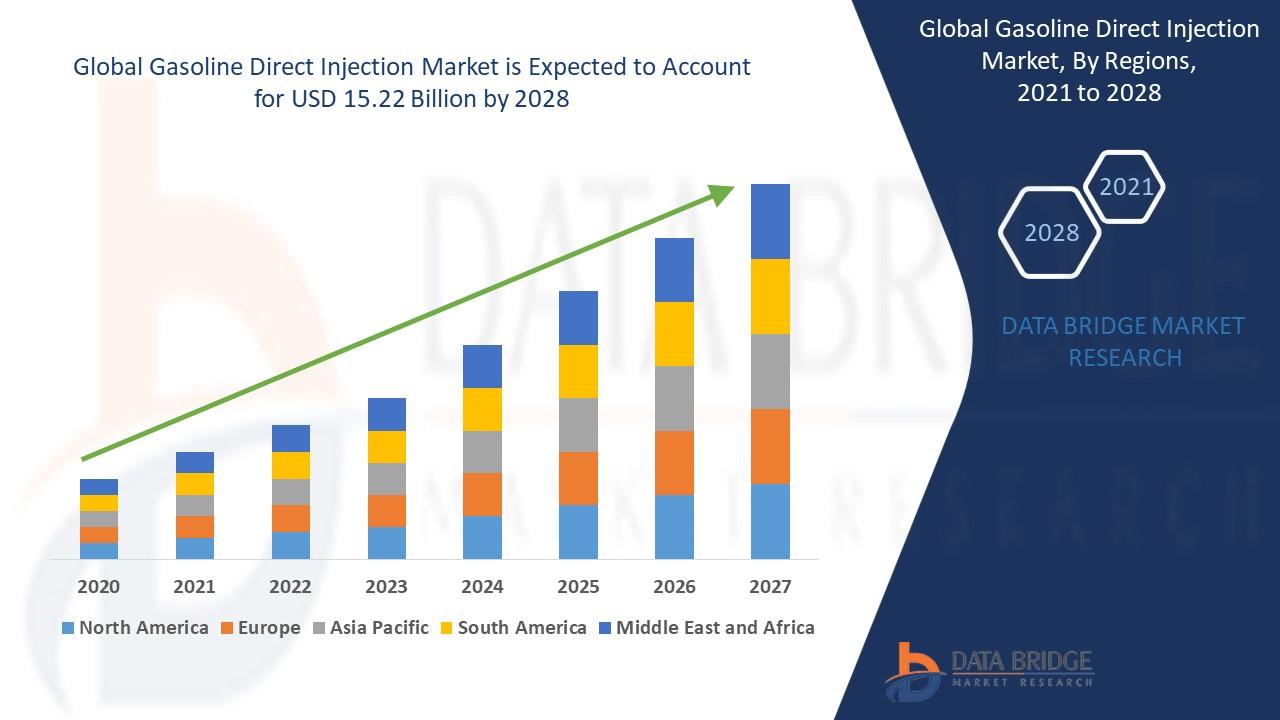
The Gasoline Direct Injection Market sector is undergoing rapid transformation, with significant growth and innovations expected by 2028. In-depth market research offers a thorough analysis of market size, share, and emerging trends, providing essential insights into its expansion potential. The report explores market segmentation and definitions, emphasizing key components and growth...
In recent years, Botox in Dubai has evolved from a simple wrinkle-reducing treatment to a sophisticated procedure offering a variety of aesthetic and therapeutic benefits. Dubai’s medical spas have become hubs for advanced Botox techniques that cater to individuals seeking subtle yet effective rejuvenation. These innovative approaches go beyond traditional wrinkle-smoothing, focusing on...

Global FMCG Packaging Industry: Key Statistics and Insights in 2025-2033 Summary: The global FMCG packaging market size reached USD 795.61 Billion in 2024. The market is expected to reach USD 1,133.1 Billion by 2033, exhibiting a growth rate (CAGR) of 3.95% during 2025-2033. Asia Pacific leads the market, accounting for the largest FMCG packaging market share. Plastic holds the biggest...

"Executive Summary Next-Generation Solar Cell Market Size, Share, and Competitive Landscape CAGR Value The global next-generation solar cell market size was valued at USD 3.03 billion in 2024 and is expected to reach USD 12.95 billion by 2032, at a CAGR of 19.90% during the forecast period. To attain knowhow of market landscape, brand awareness, latest trends,...

NURS FPX 4900 Assessment 1The NURS FPX 4900 Assessment 1 is a critical milestone in nursing education, requiring students to assess healthcare issues through the lens of leadership, collaboration, communication, change management, and policy considerations. This assessment aims to develop essential problem-solving skills that prepare nurses for real-world healthcare challenges. Students must...