Dental Surgery Recovery: How to Tackle Pain and Ensure Faster Healing
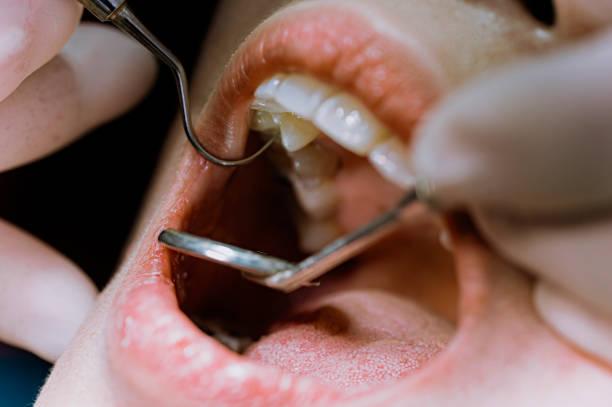
Dental surgeries, such as root canals, tooth extractions, and other procedures, are common yet essential treatments for maintaining oral health. While the surgeries themselves are typically straightforward, the recovery process can involve some discomfort and pain. Proper aftercare is crucial not only to minimize pain but also to speed up healing. In this article, we’ll explore how to manage pain and promote quicker recovery after dental surgery.
Understanding Pain After Dental Surgery
Dental surgery can cause various types of pain, including localized discomfort, swelling, and tenderness around the treated area. However, it’s important to note that everyone’s pain threshold differs, and the level of discomfort experienced after surgery can vary depending on the type of procedure.
For instance, after a root canal or tooth extraction, you might experience mild to moderate pain for a few days, which should subside gradually. However, for more complex procedures, such as dental implants or wisdom tooth extraction, the healing process may take longer, and pain management becomes crucial.

Types of Pain After Dental Surgery
- Surgical Site Pain: The most common pain comes from the treated area, such as where a tooth was removed or treated during a root canal.
- Swelling and Inflammation: These are natural responses to surgical interventions. The body’s immune system works to repair tissues, leading to temporary swelling and pain.
- Jaw and Gum Soreness: If the surgery involved your jaw or gums, you might feel soreness around the incision sites.
- Headaches or Earaches: In some cases, patients may experience headaches or earaches due to the proximity of the teeth to the sinuses and nerves.
Understanding these types of pain will help you manage expectations and focus on healing.
Tips for Managing Pain After Dental Surgery
Pain management is a critical component of your recovery. By following your dentist's advice and using the proper techniques and medications, you can significantly reduce discomfort and speed up the healing process.
1. Follow Your Dentist’s Instructions
Your dentist or oral surgeon will provide detailed post-surgery instructions tailored to your specific procedure. These guidelines are essential in ensuring that you heal effectively and minimize pain. Make sure you follow the medication regimen, dietary restrictions, and hygiene recommendations provided.
2. Use Prescribed Pain Medication
After dental surgery, your dentist may prescribe pain relievers such as ibuprofen or antibiotics to help manage pain and prevent infection. It’s essential to take these medications as prescribed. For severe pain, stronger medications might be prescribed.
Do not exceed the recommended dose, and never take someone else’s medication. If the pain persists or worsens after a few days, contact your dentist to discuss alternative pain management options.
3. Apply Ice or Cold Compress
One of the simplest and most effective ways to alleviate pain and reduce swelling is to apply a cold compress to the affected area. Use an ice pack wrapped in a cloth and place it on your face near the surgical site for 15-20 minutes every hour during the first 24-48 hours after surgery. This helps minimize inflammation and provides relief from soreness.
4. Elevate Your Head While Resting
Keeping your head elevated during the recovery period can help reduce swelling. Whether you’re sleeping or resting, try using extra pillows to prop your head up. This allows blood to circulate more effectively and prevents excess fluid from accumulating in the surgical area.
5. Rinse with Salt Water
Saltwater rinses are an excellent natural remedy for soothing the gums and promoting healing. After the first 24 hours, rinse your mouth gently with warm salt water to keep the surgical site clean, reduce inflammation, and promote healing. Use 1/2 teaspoon of salt dissolved in a cup of warm water, and swish gently.
6. Avoid Strenuous Activity
While it may be tempting to resume your regular activities, it’s important to avoid heavy physical exertion during the initial recovery period. Activities like lifting heavy objects or intense exercise can increase blood flow to the surgical area and lead to more swelling and discomfort. Give your body time to heal properly by taking it easy for a few days.
Promoting Faster Healing After Dental Surgery
In addition to managing pain, there are several things you can do to speed up the healing process and reduce the risk of complications.
1. Stick to a Soft Diet
For the first few days after your surgery, stick to soft foods that require little to no chewing. Foods like soups, mashed potatoes, yogurt, and smoothies are excellent choices. Avoid hard, crunchy, or spicy foods that could irritate the surgical area or disrupt the healing process.
Additionally, stay hydrated by drinking plenty of water, but avoid drinking through a straw, as the suction could disturb the surgical site.
2. Avoid Smoking and Alcohol
Smoking and drinking alcohol can significantly slow down the healing process after dental surgery. Smoking can reduce blood flow to the gums and increase your risk of infection. Alcohol can interfere with the effectiveness of your pain medications and dehydrate your body, both of which can delay recovery.
For the best healing, avoid smoking and alcohol consumption for at least a few days after surgery.
3. Keep the Surgical Area Clean
Maintaining proper oral hygiene is vital for preventing infections and ensuring a speedy recovery. However, avoid brushing directly over the surgical site for the first few days to avoid disturbing the wound. Instead, gently brush the rest of your teeth and rinse your mouth with warm salt water.
Once the initial healing has occurred (usually after 2-3 days), you can gently brush the surgical area with a soft-bristled toothbrush. Be careful not to irritate the site.
4. Rest and Sleep
Rest is one of the most effective ways to encourage healing after any surgery. Sleep allows your body to repair itself and rejuvenate. Aim for 7-8 hours of quality sleep each night, and consider resting in an elevated position to help reduce swelling.
During the recovery process, your body uses energy to heal the tissues, so be sure to give it time to rest and recover.
5. Avoid Touching or Probing the Area
Refrain from touching or probing the surgical site with your fingers or tongue, as doing so can introduce bacteria and increase the risk of infection. Avoid fiddling with the area, especially if stitches were used, as this can disrupt the healing process.
6. Stay Attuned to Complications
While most dental surgeries have a straightforward recovery process, it’s important to keep an eye out for signs of complications. These might include increased pain after the initial recovery period, excessive bleeding, swelling that worsens over time, or signs of infection, such as fever. If you experience any of these symptoms, contact your dentist immediately.
Conclusion
Recovering from dental surgery doesn’t have to be a stressful experience. By following proper pain management techniques, adhering to your dentist’s instructions, and taking steps to promote healing, you can ensure a smooth recovery process. Managing pain and focusing on healing will help you return to your normal routine quickly, with minimal discomfort. Always remember to stay in touch with your dentist, and don’t hesitate to ask questions if you’re uncertain about any part of the recovery process. With proper care, you’ll soon be back to smiling confidently and comfortably.
Categories
- Arts & Entertainment
- Causes
- Crafts
- Dance
- Drinks
- Film
- Health
- Food Trends
- Gaming
- Home & Garden
- Health & Fitness
- Literature
- Music & Concerts
- Networking
- Other
- Party
- Religion
- Shopping
- Sports
- Theater
- Wellness
- Cryptocurrency
- NFT Trends
- Coin update
- Lifestyle
- Business & Finance
- Entrepreneurship
- Marketing Strategies
- Personal Finance
- Investment Tips
- Industry Trends
- Technology
- Gadgets & Reviews
- Software & Apps
- Cybersecurity
- Emerging Technologies
- How-To Guides
- Education
- Movie & TV Reviews
- Celebrity News
- Book Reviews
- Personal Development
- Motivation & Inspiration
- Life Hacks
- Community & Culture
- Local Events
- Cultural Insights
- Social Issues
- Interviews & Spotlights
- Volunteering & Activism
- Science & Nature
- Animal Behavior
- Beauty Tips
- Fashion Trends
- Product Reviews
- Food & Drink
- Cooking
- Restaurant Reviews
- Travel
- Arts & Crafts
- Photography
- Workout Routines
- Parenting Tips
- News
- Tips & Tricks
- Case Studies
- Product Reviews
- Interviews
- Opinion
- Research & Insights
- Events Coverage
- Personal Stories
- Announcements
- Trends & Predictions
- Guest Posts
Read More
"Executive Summary Double Decked Boat Market : Data Bridge Market Research analyses that the global double decked boat market which was USD 3.01 billion in 2023, is expected to reach USD 5.41 billion by 2031, and is expected to undergo a CAGR of 7.6% during the forecast period of 2024 to 2031. In addition to the market insights such as market value, growth rate, market segments,...

Introduction In the rapidly evolving world of packaging, choosing the right PET preform manufacturer is critical for quality, efficiency, and sustainability. DRJ Plasttech emerges as a reliable leader in this domain, especially in Surat, Gujarat. This blog explores the strengths, product offerings, and how they ensure consistent quality in every delivery. 1. The DRJ Plasttech...

A well-executed bathroom renovation can transform your space from outdated and inefficient to a modern sanctuary. Whether you’re looking to upgrade for aesthetic appeal, increase home value, or simply improve functionality, remodeling your bathroom is a smart investment. Why Bathroom Renovation Matters Your bathroom is one of the most frequently used areas in your home. Over time,...

The most recent research report on the high content "Curved Televisions Market" covering the years 2024 to 2032, provides in-depth analysis, accurate economic forecasts, and predictions at the national and international levels. It helps firms spot major changes in industry practices by providing a comprehensive supply chain analysis and a complete view of the competitive environment. In...

What are Digital Embroidery Services? A modern way to make your artwork into machine-ready embroidery is to use a digital embroidery service. Designers and companies can quickly make great embroidered products thanks to it. Being involved in fashion, corporate branding or promotional merchandise means you can’t do without digital embroidery. The Top Embroidery Digitizing Companies...