


Overcoming Environmental Challenges for Solar Tracking
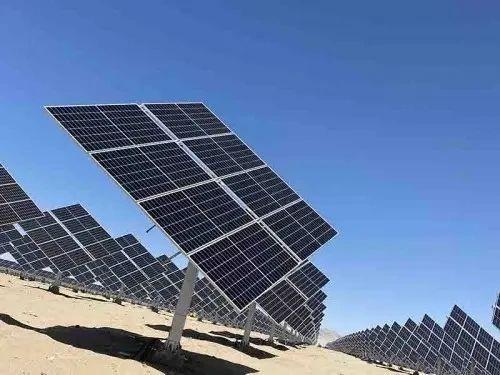
Installing a solar tracker means placing a machine in the path of nature. Weather is the most unpredictable variable in any energy project. Rain, high winds, and extreme temperatures can all damage your equipment. You must design your system to handle these challenges. A tracker that fails during a storm is a liability. By using the right materials and safety features, you can protect your investment and ensure it lasts for decades.
Wind Load Management for Efficient Solar Energy
Wind is the primary enemy of any large tracking array. A solar panel acts like a wing, creating lift and drag. This force puts immense stress on the gears and the frame. To maintain efficient solar energy, the structure must remain perfectly still during a breeze. If the tracker wobbles, the focus on the sun is lost. You should use heavy-duty steel for the main support post to prevent bending or snapping during high-wind events.
An anemometer is a great addition to your DIY project. This sensor measures wind speed and sends the data to your controller. You can program a "stow" position into your code. When the wind exceeds a certain speed, the tracker flattens the panels. This position reduces the surface area exposed to the wind. It is a critical safety feature for efficient solar energy systems located in open fields or coastal areas where storms are common.
Waterproofing Electronics for Solar Tracking
Moisture can destroy a microcontroller in minutes. You must house your Arduino and motor drivers in a NEMA-rated enclosure. These boxes are designed to keep out rain and dust. Use cable glands where the wires enter the box to maintain the seal. Inside the box, use silica gel packets to absorb any condensation. Protecting the "brain" of your solar tracking system is just as important as protecting the mechanical frame from the elements.
Heat Dissipation in Efficient Solar Energy Gear
While panels love the sun, electronics do not like the heat. On a hot summer day, the temperature inside a control box can skyrocket. This heat can cause the motor drivers to shut down or fail. To keep your efficient solar energy system running, add a heat sink or a small cooling fan. Ventilated enclosures help move hot air out while keeping water from getting in. Proper thermal management ensures that your tracker stays active during the hottest parts of the day.
Corrosion Resistance for Solar Tracking Frames
If you live near the ocean, salt spray will eat through standard steel. You must use galvanized steel or marine-grade aluminum for your frame. These materials have a coating that resists oxidation. Even in non-coastal areas, humidity can cause rust over time. Check the joints of your solar tracking system every season. Apply a fresh coat of rust-inhibiting paint to any scratches or worn areas to prevent structural failure from the inside out.
Winter Operations and Solar Tracking Logic
Snow can be a major problem for automated trackers. A thick layer of snow is heavy and can block the sensors. If the sensors are covered, the tracker will not move. You should program a manual "shake" or "tilt" mode to help shed snow from the glass. This ensures that efficient solar energy collection can resume as soon as the sun comes out. Using time-based tracking instead of light sensors also helps the system find the sun through a light dusting.
Ice can also freeze the pivot points and the actuators. A motor trying to move a frozen joint can easily burn out. You should use low-temperature grease in your bearings. This grease stays fluid even in sub-zero temperatures. It allows the solar tracking motors to move without excessive strain. In very cold climates, some builders wrap their actuators in heat tape to prevent them from seizing during a deep freeze in the winter.
Dust and Debris in Efficient Solar Energy Systems
In dry or desert climates, dust is a constant battle. A layer of dust on the panels can drop your output by twenty percent. Dust also gets into the gears and acts like sandpaper, wearing them down. To maintain efficient solar energy, you must clean the system regularly. Use a soft brush and water to clear the panels. Sealed bearings are a must for these environments to keep the grit out of the moving parts of the tracker.
Lightning Protection for Solar Tracking Poles
A metal pole in a backyard is a natural lightning rod. A strike can travel through the frame and fry every electronic component you own. You must install a dedicated ground wire from the frame to a copper rod in the earth. This gives the electricity a safe path to the ground. Adding surge protectors to your solar tracking power lines is also a smart move. It protects your inverter and batteries from the massive voltage spikes caused by nearby strikes.
Troubleshooting Environmental Solar Tracking Failures
When the system stops moving, the weather is often the cause. Check for physical obstructions like fallen branches or ice buildup. Use your multimeter to check if the sensors are still sending clear signals. Environmental damage is usually visible if you look closely at the wiring and joints. Keeping a log of weather events can help you identify patterns and improve your solar tracking design for the future. Proper diagnosis leads to a more resilient system.
Conclusion
Building a solar tracker that survives the environment is the ultimate DIY challenge. It requires a mix of mechanical strength and electronic intelligence. By planning for wind, rain, and snow, you create a system that provides reliable power for years. Protecting your hardware is just as important as building it. A resilient tracker is the backbone of a successful home energy setup that you can depend on in any season.
Take the time to weather-proof your components properly. The effort you spend on safety and durability will pay off during the first big storm. Solar energy is a long-term investment, and a tracker is the best way to maximize that investment. Keep your eyes on the weather and your tools ready for maintenance. Your commitment to a robust design will ensure your energy independence remains secure regardless of the outside conditions.
Categorii
- Arts & Entertainment
- Causes
- Crafts
- Dance
- Drinks
- Film
- Health
- Food Trends
- Gaming
- Home & Garden
- Health & Fitness
- Literature
- Music & Concerts
- Networking
- Alte
- Party
- Religion
- Shopping
- Sports
- Theater
- Wellness
- Cryptocurrency
- NFT Trends
- Coin update
- Lifestyle
- Business & Finance
- Entrepreneurship
- Marketing Strategies
- Personal Finance
- Investment Tips
- Industry Trends
- Technology
- Gadgets & Reviews
- Software & Apps
- Cybersecurity
- Emerging Technologies
- How-To Guides
- Educaţie
- Movie & TV Reviews
- Celebrity News
- Book Reviews
- Personal Development
- Motivation & Inspiration
- Life Hacks
- Community & Culture
- Local Events
- Cultural Insights
- Social Issues
- Interviews & Spotlights
- Volunteering & Activism
- Science & Nature
- Animal Behavior
- Beauty Tips
- Fashion Trends
- Product Reviews
- Food & Drink
- Cooking
- Restaurant Reviews
- Travel
- Arts & Crafts
- Photography
- Workout Routines
- Parenting Tips
- News
- Tips & Tricks
- Case Studies
- Product Reviews
- Interviews
- Opinion
- Research & Insights
- Events Coverage
- Personal Stories
- Anunturi
- Trends & Predictions
- Guest Posts
Citeste mai mult
The Elastomeric Coating Market sector is undergoing rapid transformation, with significant growth and innovations expected by 2031. In-depth market research offers a thorough analysis of market size, share, and emerging trends, providing essential insights into its expansion potential. The report explores market segmentation and definitions, emphasizing key components and growth...

Deciding to try CBD for the first time is a proactive step toward supporting your general wellness. But as a new user, it is normal to have a lot of questions. The key to a positive first experience is to clear up any confusion before you buy. A shop with an expert staff, like Paradise Vape & Smoke Shop - Sandy Springs | CBD & Hookah, is the perfect place to get these questions answered...
Grocery stores are important places for people. We go there to buy food, drinks, and things we need every day. In America, every town has a grocery store. In this article, we will talk about grocery stores in three places. These places are Key Largo, Jacksonville in Florida, and Joshua Tree in California. Key Largo Grocery Stores Key Largo is a small island in Florida. It is a nice place for...
Executive Summary Reporter Tags Market Market : Global reporter tags market size was valued at USD 3.70 billion in 2024 and is projected to reach USD 10.57 billion by 2032, with a CAGR of 14% during the forecast period of 2025 to 2032. Reporter Tags Market Market report can be explored in terms of breakdown of data by manufacturers, region, type and application, market status, market...
In today’s digital landscape, search engine optimization (SEO) is no longer just an option for businesses—it's a necessity. With the ever-growing competition, businesses need to ensure they rank higher on search engine result pages (SERPs) to attract more customers. However, not all businesses have the expertise or resources to manage SEO in-house. That’s where the white label...
