


How Patient Portals Improve Patient Engagement and Care Delivery
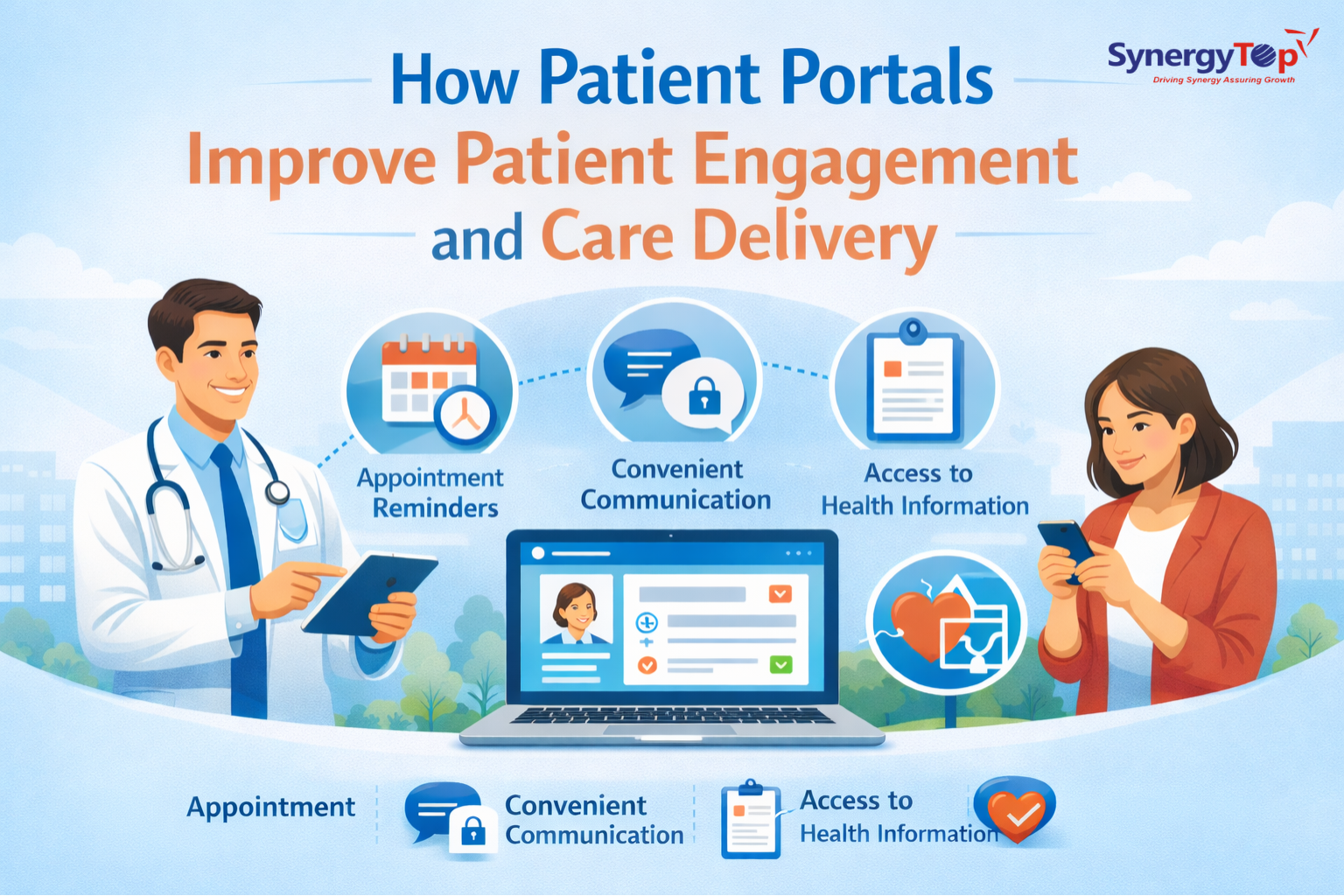
The healthcare industry is rapidly evolving with the integration of digital technologies designed to improve patient care, streamline hospital operations, and enhance communication between healthcare providers and patients. One of the most important innovations supporting this transformation is the Patient Portal, a secure online platform that enables patients to access healthcare services and medical information from anywhere.
Healthcare providers across the United States, United Kingdom, and United Arab Emirates are increasingly adopting patient portal systems to improve patient engagement and operational efficiency. These platforms allow hospitals, clinics, and healthcare organizations to provide convenient digital access to healthcare services while maintaining strong data security and compliance with healthcare regulations.
What is a Patient Portal?
A patient portal is a digital healthcare platform that allows patients to securely access their medical records and communicate with healthcare providers through a web-based or mobile interface. Instead of relying on traditional methods such as phone calls or in-person visits, patients can easily manage their healthcare information online.
Typical features available through a patient portal include:
-
Viewing medical history and electronic health records
-
Scheduling and managing appointments
-
Accessing lab reports and diagnostic results
-
Requesting prescription refills
-
Secure messaging with healthcare providers
-
Viewing billing statements and making online payments
By providing patients with direct access to their healthcare information, patient portals empower individuals to become more active participants in managing their health.
Growing Adoption of Patient Portals in Global Healthcare
Healthcare systems in the US, UK, and UAE are increasingly focused on digital transformation to improve healthcare accessibility and efficiency. Governments and healthcare organizations are investing in digital healthcare platforms that support better communication between patients and medical professionals.
In the United States, patient portals are often integrated with Electronic Health Records (EHR) systems and telehealth services, allowing patients to access healthcare remotely.
In the United Kingdom, digital health initiatives from the NHS encourage the use of online healthcare services, including patient portals, to improve healthcare access.
The UAE has also made significant investments in smart healthcare systems, where patient portals play a key role in improving healthcare experiences and operational efficiency.
These initiatives highlight the growing importance of patient portal technology in building modern healthcare ecosystems.
Key Benefits of Patient Portal Systems
Improved Patient Engagement
Patient portals allow patients to actively participate in their healthcare journey by providing easy access to medical information, appointment scheduling, and communication tools.
Enhanced Healthcare Efficiency
Administrative tasks such as appointment booking, billing inquiries, and prescription requests can be managed digitally through the portal, reducing workload for hospital staff.
Better Communication
Secure messaging features allow patients to communicate with healthcare providers without needing to visit the clinic or make phone calls.
Faster Access to Medical Information
Doctors and healthcare staff can access patient data instantly through integrated systems, enabling faster and more accurate decision-making.
Important Features of Modern Patient Portals
Modern patient portals are designed with advanced features that improve the digital healthcare experience for both patients and healthcare providers.
Some of the most important features include:
-
Secure login and authentication systems
-
Real-time appointment scheduling
-
Telemedicine integration
-
Digital health record access
-
Prescription management
-
Online billing and payment systems
-
Automated notifications and reminders
These features help create a seamless healthcare experience while improving patient satisfaction and operational efficiency.
Security and Compliance in Patient Portal Systems
Healthcare data is extremely sensitive, and patient portals must follow strict security protocols to protect patient information. Modern systems use encryption technologies, multi-factor authentication, and secure cloud infrastructure to ensure data protection.
Healthcare organizations in different regions follow specific regulations:
-
HIPAA compliance in the United States
-
NHS digital data standards in the United Kingdom
-
Healthcare data regulations in the UAE
Secure patient portal platforms ensure that medical data is shared safely while maintaining patient privacy.
Role of Healthcare Software Development in Patient Portal Innovation
Developing a secure and scalable patient portal requires specialized expertise in healthcare software development, system integration, and data security. Healthcare software companies work closely with hospitals and clinics to design customized digital healthcare platforms.
These platforms often integrate multiple healthcare systems such as:
-
Electronic Health Records (EHR)
-
Hospital management systems
-
Laboratory information systems
-
Telemedicine platforms
-
Billing and payment systems
Companies like SynergyTop specialize in building innovative healthcare software solutions that help healthcare providers modernize their digital infrastructure.
Healthcare organizations looking to implement modern digital healthcare systems can explore offered by SynergyTop to improve patient engagement and healthcare efficiency.
The Future of Patient Portal Technology
Patient portals will continue to evolve with emerging technologies such as artificial intelligence, predictive analytics, and wearable health device integration. These technologies will allow healthcare providers to offer more personalized and proactive healthcare services.
In the coming years, patient portals will become a central component of digital healthcare ecosystems, connecting patients, healthcare providers, and medical data through secure digital platforms.
Conclusion
Patient portals are revolutionizing healthcare by providing patients with secure and convenient access to healthcare services. Healthcare organizations across the US, UK, and UAE are increasingly adopting these platforms to improve patient engagement, streamline hospital operations, and enhance healthcare experiences.
With the support of advanced healthcare technology solutions developed by companies like SynergyTop, healthcare providers can build modern patient portal systems that support the future of connected healthcare.
Categorias
- Arts & Entertainment
- Causes
- Crafts
- Dance
- Drinks
- Film
- Health
- Food Trends
- Gaming
- Home & Garden
- Health & Fitness
- Literature
- Music & Concerts
- Networking
- Outro
- Party
- Religion
- Shopping
- Sports
- Theater
- Wellness
- Cryptocurrency
- NFT Trends
- Coin update
- Lifestyle
- Business & Finance
- Entrepreneurship
- Marketing Strategies
- Personal Finance
- Investment Tips
- Industry Trends
- Technology
- Gadgets & Reviews
- Software & Apps
- Cybersecurity
- Emerging Technologies
- How-To Guides
- Educação
- Movie & TV Reviews
- Celebrity News
- Book Reviews
- Personal Development
- Motivation & Inspiration
- Life Hacks
- Community & Culture
- Local Events
- Cultural Insights
- Social Issues
- Interviews & Spotlights
- Volunteering & Activism
- Science & Nature
- Animal Behavior
- Beauty Tips
- Fashion Trends
- Product Reviews
- Food & Drink
- Cooking
- Restaurant Reviews
- Travel
- Arts & Crafts
- Photography
- Workout Routines
- Parenting Tips
- News
- Tips & Tricks
- Case Studies
- Product Reviews
- Interviews
- Opinion
- Research & Insights
- Events Coverage
- Personal Stories
- Avisos
- Trends & Predictions
- Guest Posts
Leia Mais
"Actinic Keratosis Treatment Market Size And Forecast by 2029 Actinic keratosis treatment market is expected to gain market growth in the forecast period of 2022-2029. Data Bridge Market Research analyses the market to account to grow at a CAGR of 13.14% in the above mentioned forecast period and is likely to reach USD 5,508.59 million by 2029. The Actinic Keratosis Treatment Market...

"Executive Summary Anti-Ship Missile Defense System Market : The anti-ship missile defense system market is expected to witness market growth at a rate of 5.87% in the forecast period of 2021 to 2028. Data Bridge Market Research report on anti-ship missile defense system market provides analysis and insights regarding the various factors expected to be prevalent throughout the...
When you own a GMC in Dubai, you’re not just driving a car — you’re commanding a vehicle that’s built for strength, luxury, and reliability. Whether it’s the rugged GMC Sierra, the spacious Yukon, or the sleek Acadia, these vehicles represent quality and performance. But with that performance comes the responsibility of regular maintenance and care,...

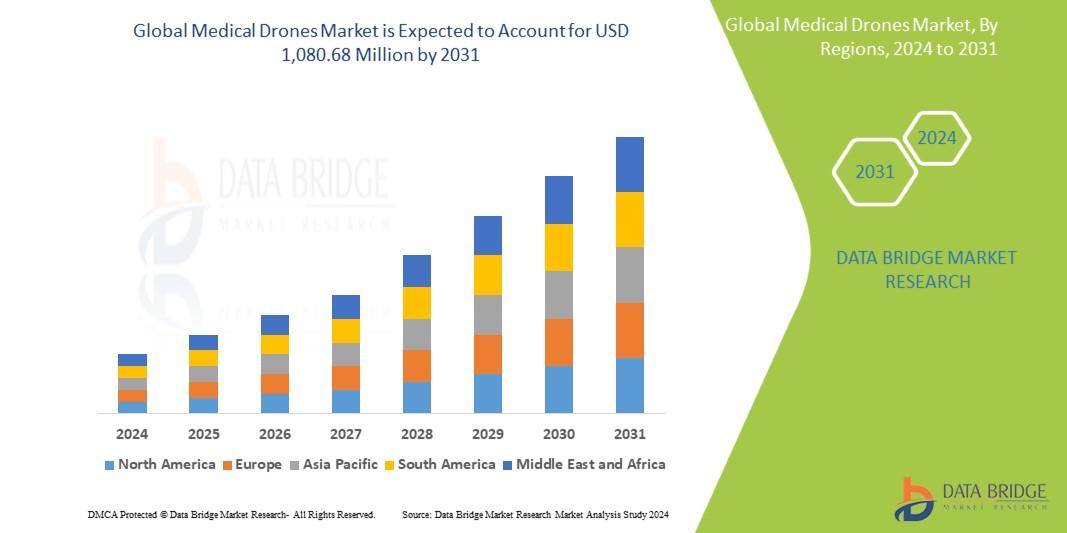
The Medical Drones Market sector is undergoing rapid transformation, with significant growth and innovations expected by 2031. In-depth market research offers a thorough analysis of market size, share, and emerging trends, providing essential insights into its expansion potential. The report explores market segmentation and definitions, emphasizing key components and growth drivers....
With its expertly curated exam training material and study materials, PassQueen.com has become a go-to resource for candidates aiming to pass their Exam Training Material certification exams with flying colors. In this article, we will explore how PassQueen.com’s exam training material and study materials can help you achieve your certification goals and improve your exam...