


Comparing In-House vs. Outsourced FF&E Procurement Service: Pros and Cons

In today’s hospitality market, timing and cost control decide whether a project succeeds or struggles. An effective ff&e procurement service connects design intent, vendor coordination, and installation under one structured system. When this process breaks down, budgets expand and timelines slip fast. For hotel owners and developers in the United States, choosing between in-house management and outsourcing is a serious strategic decision.
I have worked with ownership groups that assumed procurement was simply about placing orders. In reality, it shapes project cash flow, brand compliance, and opening schedules. According to the American Hotel & Lodging Association, renovation and development activity in the U.S. has remained steady even amid supply chain challenges. With that level of investment, selecting the right ff&e procurement service model can directly impact return on investment.
The Problem: Rising Complexity in FF&E Procurement Service Decisions
Hotel development has grown more complex over the past decade. Global sourcing, fluctuating freight rates, and strict brand standards make procurement far more than a purchasing function. A modern ff&e procurement service must coordinate designers, architects, general contractors, and international vendors. Without clear structure, miscommunication creates delays and financial risk.
Construction cost volatility has added pressure. Data from CBRE Group shows that U.S. hotel development costs have remained elevated compared to pre-2020 levels. When material pricing shifts mid-project, owners need strong oversight to protect margins. The wrong procurement structure can lead to budget overruns that reduce long-term asset value.
The challenge becomes even greater with ff&e procurement for branded hotels. Major chains such as Marriott International and Hilton Worldwide enforce strict design and sourcing requirements. Approved vendor lists, quality standards, and brand audits demand experienced coordination. Whether that expertise sits in-house or with an external partner is the core question many developers face.
I have seen projects in Texas and Florida stall because procurement teams underestimated lead times. Guestroom furniture arrived weeks late, and opening campaigns had to be adjusted. In those moments, the debate between internal control and outsourced expertise becomes very real.
Agitation: The Risks of Getting It Wrong
Choosing the wrong structure for an ff&e procurement service creates more than minor delays. It can disrupt financing schedules, trigger liquidated damages, and affect long-term operating performance. According to the U.S. Chamber of Commerce, supply chain instability continues to impact American businesses across sectors. Hospitality projects feel that impact directly because they rely heavily on imported furnishings and fixtures.
In-house teams sometimes lack global sourcing networks or updated freight knowledge. During the port congestion crisis in Los Angeles, many hotels waited months for overseas shipments. Without established logistics partners, projects faced warehousing fees and rushed air freight expenses. These added costs eroded profit margins quickly.
Outsourcing, however, is not automatically safer. Some third-party providers may prioritize volume over project detail. If communication gaps occur, ownership groups can feel disconnected from financial decisions. I once worked with an investor who discovered cost variances late in the process because reporting systems were not transparent. That experience reinforced how oversight must remain active regardless of the model.
Brand risk is another factor. In ff&e procurement for branded hotels, substitutions must be approved and documented. Failure to comply can delay brand sign-off inspections. A delayed brand approval can postpone opening, which means lost room revenue and marketing disruption.
Solution Path One: In-House FF&E Procurement Service
Managing an ff&e procurement service internally gives owners direct control over budgets and vendor selection. Large ownership groups with multiple properties often build dedicated procurement departments. These teams understand company standards, long-term asset strategies, and internal reporting expectations.
One advantage of in-house management is alignment with ownership goals. Internal teams can quickly adjust purchasing strategies when cash flow shifts. They also maintain direct relationships with preferred vendors, which can support consistency across multiple properties. For companies with steady pipelines, this structure may reduce long-term administrative costs.
However, maintaining a skilled in-house team requires ongoing investment. Procurement professionals need knowledge of international trade compliance, freight coordination, and quality control inspections. Smaller developers may struggle to justify full-time staff for projects that occur every few years. When expertise is limited, in-house efforts can become reactive rather than strategic.
In my experience, in-house models work best for large portfolio owners who operate across several states. When procurement volume remains consistent, building internal capacity makes sense. But for single-asset developers, maintaining that infrastructure may not be cost-effective.
Solution Path Two: Outsourced FF&E Procurement Service
Outsourcing an ff&e procurement service allows owners to access specialized expertise without building internal departments. Professional procurement firms bring established vendor networks, logistics knowledge, and structured reporting systems. This model is common in projects where owners want to focus on financing and operations rather than day-to-day purchasing.
Third-party firms often have global sourcing leverage. Because they manage multiple projects at once, they can negotiate better freight terms and production slots. During supply chain disruptions, experienced firms can pivot to alternative suppliers faster than smaller in-house teams. That flexibility reduces risk exposure.
Outsourcing is particularly common in ff&e procurement for branded hotels. External specialists understand brand approval workflows and documentation requirements. They coordinate directly with brand representatives, which can speed up compliance reviews. In one Chicago renovation I observed, outsourcing helped the owner meet a strict franchise timeline without internal staffing expansion.
The main drawback of outsourcing is perceived loss of control. Owners must rely on transparent reporting and regular communication to stay informed. If expectations are not clearly defined in contracts, misunderstandings can develop. Clear service agreements and detailed budget tracking are essential for success in this model.
Cost Comparison and Financial Impact
From a financial standpoint, comparing in-house and outsourced models requires more than salary calculations. In-house teams involve payroll, benefits, training, and administrative overhead. Outsourced models typically charge professional fees based on project scope and total procurement volume.
According to data from Deloitte, outsourcing certain operational functions can reduce administrative overhead when economies of scale are not present internally. For smaller hotel developers, this cost structure may be more predictable. Professional fees are tied to project duration rather than long-term staffing commitments.
On the other hand, large hotel ownership groups operating in cities like New York City or Dallas may find in-house systems more economical over time. When multiple projects run simultaneously, internal teams distribute fixed costs across assets. This can lower average procurement expenses per property.
Cash flow timing also matters. An experienced external firm can structure payment schedules aligned with construction draws. This coordination protects liquidity and reduces financing stress. Regardless of the model, strong forecasting and transparent reporting determine financial success more than structure alone.
Operational Efficiency and Risk Management
Operational efficiency often defines whether a project opens on schedule. An effective ff&e procurement service manages production tracking, quality inspections, freight coordination, and installation sequencing. Missed steps in any of these areas create cascading delays.
In-house teams may offer closer integration with project managers and asset managers. Communication flows directly within the organization, which can accelerate decisions. However, if the team lacks experience in global logistics, unexpected customs issues or documentation errors can cause shipment holds.
Outsourced providers typically bring structured risk management frameworks. They monitor supplier performance metrics, defect rates, and warranty compliance. This structured oversight can reduce post-opening maintenance issues. I have noticed that experienced third-party firms often implement stronger documentation systems, which benefit long-term asset management.
For ff&e procurement for branded hotels, operational coordination becomes even more critical. Brand inspections require precise installation standards and approved product verification. External specialists often maintain detailed compliance checklists that streamline final approvals. That level of organization can significantly reduce last-minute stress before opening.
Making the Right Choice for Your Project
There is no universal answer to the in-house versus outsourced debate. The best approach depends on portfolio size, internal expertise, project frequency, and financial strategy. What matters most is clarity of roles, accountability, and measurable performance tracking.
I believe many mid-size U.S. developers benefit from a hybrid approach. They maintain internal oversight for strategic decisions while partnering with external experts for execution. This balance allows owners to retain visibility without carrying full administrative burdens. It also supports knowledge transfer over time.
Ultimately, the purpose of an ff&e procurement service is to protect schedule, budget, and brand standards. Whether managed internally or externally, success depends on disciplined planning and clear communication. For developers navigating ff&e procurement for branded hotels or independent projects, the key is choosing a structure aligned with long-term goals rather than short-term convenience.
In a market where supply chain uncertainty remains part of the landscape, thoughtful procurement strategy is not optional. An effective ff&e procurement service, supported by either strong internal teams or experienced partners, ensures hotels open on time and operate as intended. When procurement is handled strategically, it strengthens every stage of hospitality development and positions assets for sustainable performance.
Categorii
- Arts & Entertainment
- Causes
- Crafts
- Dance
- Drinks
- Film
- Health
- Food Trends
- Gaming
- Home & Garden
- Health & Fitness
- Literature
- Music & Concerts
- Networking
- Alte
- Party
- Religion
- Shopping
- Sports
- Theater
- Wellness
- Cryptocurrency
- NFT Trends
- Coin update
- Lifestyle
- Business & Finance
- Entrepreneurship
- Marketing Strategies
- Personal Finance
- Investment Tips
- Industry Trends
- Technology
- Gadgets & Reviews
- Software & Apps
- Cybersecurity
- Emerging Technologies
- How-To Guides
- Educaţie
- Movie & TV Reviews
- Celebrity News
- Book Reviews
- Personal Development
- Motivation & Inspiration
- Life Hacks
- Community & Culture
- Local Events
- Cultural Insights
- Social Issues
- Interviews & Spotlights
- Volunteering & Activism
- Science & Nature
- Animal Behavior
- Beauty Tips
- Fashion Trends
- Product Reviews
- Food & Drink
- Cooking
- Restaurant Reviews
- Travel
- Arts & Crafts
- Photography
- Workout Routines
- Parenting Tips
- News
- Tips & Tricks
- Case Studies
- Product Reviews
- Interviews
- Opinion
- Research & Insights
- Events Coverage
- Personal Stories
- Anunturi
- Trends & Predictions
- Guest Posts
Citeste mai mult
The Calcium Phosphate Market sector is undergoing rapid transformation, with significant growth and innovations expected by 2028. In-depth market research offers a thorough analysis of market size, share, and emerging trends, providing essential insights into its expansion potential. The report explores market segmentation and definitions, emphasizing key components and growth...

暗号資産の取引は日々複雑化していますが、CoinCheckAIはAI技術を駆使して初心者から上級者まで効率的に取引をサポートするプラットフォームです。市場データの分析や自動取引機能を備えており、リスクを最小限に抑えながら利益の最大化を目指せます。特に暗号資産の初心者でも、直感的に操作できるインターフェースが特徴です。 松本先生が推奨する理由 多くの専門家がAIを活用した取引の重要性を語る中で、松本先生もCoinCheckAIの利便性を評価しています。リアルタイムで市場を分析し、最適なタイミングで取引を行えることは、従来の手動取引にはない大きなメリットです。松本先生は特に、自動取引の安全性と精度の高さを強調しています。 AI技術で実現する効率的な取引...

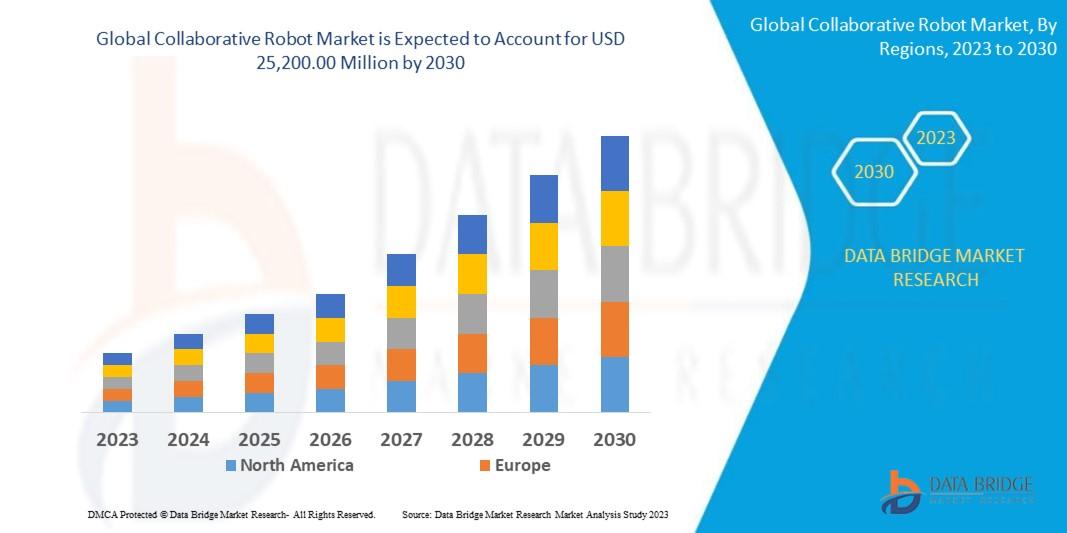
"Global Demand Outlook for Executive Summary Collaborative Robot Market Size and Share The global collaborative robot market size was valued at USD 59.28 billion in 2024 and is projected to reach USD 1064.89 billion by 2032, with a CAGR of 43.48% during the forecast period of 2025 to 2032. Collaborative Robot Market survey report brings into light key market dynamics of sector...
Introduction Live Bottom Trailers are innovative hauling solutions equipped with a conveyor belt system installed at the base of the trailer. This design allows controlled discharge of bulk materials, offering significant advantages over traditional dump trucks, including enhanced safety and reduced risk of tipping. These trailers are extensively used across construction, agriculture, waste and...
Executive Summary Alpha Blockers Market Size and Share Analysis Report CAGR Value Data Bridge Market Research analyses a growth rate in the alpha blockers market in the forecast period 2023-2030. Data Bridge Market Research analyses that the alpha blockers market is expected to reach USD 56.88 billion by 2030, which is USD 40 billion in 2022, and is expected to undergo a CAGR of 4.50%...