Protecting Your Hearing From Excessive Occupational Noise Exposure

Working in a world that never stops humming can be a sensory challenge for many of us. Whether it is the rhythmic clatter of a warehouse, the high-pitched whine of a dental drill, or the constant roar of a construction site, the environment we inhabit for eight hours a day defines our long-term health. We often overlook the invisible impact of occupational noise exposure because sound does not leave a physical mark like a scrape or a bruise. However, the ears are incredibly delicate instruments. Inside each ear are thousands of tiny, microscopic hair cells that act like sensitive antennae, catching vibrations and turning them into the voices of our friends or the music we love. When these cells are battered by high-volume sound for hours on end, they do not just get tired; they eventually wither and die. Because these cells do not regenerate, every decibel of damage is a permanent change to how we hear the world.
Understanding the Mechanics of Occupational Noise Exposure
To truly grasp the risk, we have to look at what happens deep inside the ear canal during a typical shift. Sound is essentially energy moving through the air. When that energy is too intense, it acts like a physical weight on the structures of the inner ear. If you have ever felt a "muffled" sensation after a long day or noticed a persistent ringing in your ears once you reach the quiet of your home, you have experienced a temporary shift in your hearing threshold. Over time, these temporary shifts become permanent. This is the primary danger of a loud workplace—it is a slow, creeping loss that you might not fully realize until you find yourself constantly asking others to repeat themselves or turning the television to a volume that others find uncomfortable.
The Physical and Mental Toll of Sustained Sound
The consequences of a loud job go far beyond just losing the ability to hear high-pitched sounds. Our bodies are biologically wired to treat loud noise as a stressor. When the volume stays high, your brain remains in a constant state of "fight or flight," which can lead to a host of other health issues. Many people working in these environments report higher levels of anxiety, increased blood pressure, and a sense of total exhaustion that feels different from physical labor. It takes an immense amount of mental energy to filter out a chaotic background just to focus on a conversation or a technical task. By the time the day is over, your nervous system is often fried, leaving you with less patience and energy for your life outside of work.
Strategies to Mitigate Occupational Noise Exposure
The good news is that we have many ways to protect our senses without sacrificing our productivity. Reducing the volume starts with looking at the machines themselves—sometimes a simple rubber mat under a vibrating tool or a drop of oil on a squeaky gear can drop the decibels significantly. When the machinery cannot be silenced, we turn to personal barriers. Modern ear protection has come a long way from the uncomfortable foam plugs of the past; there are now high-fidelity filters that lower the dangerous roar while still allowing you to hear a coworker speaking clearly. Taking "quiet breaks" throughout the day also gives those tiny hair cells a chance to recover. By making these small adjustments, we ensure that we can enjoy the quiet moments of life—like the sound of rain or the punchline of a jokefor many years to come.
Κατηγορίες
- Arts & Entertainment
- Causes
- Crafts
- Dance
- Drinks
- Film
- Health
- Food Trends
- Gaming
- Home & Garden
- Health & Fitness
- Literature
- Music & Concerts
- Networking
- άλλο
- Party
- Religion
- Shopping
- Sports
- Theater
- Wellness
- Cryptocurrency
- NFT Trends
- Coin update
- Lifestyle
- Business & Finance
- Entrepreneurship
- Marketing Strategies
- Personal Finance
- Investment Tips
- Industry Trends
- Technology
- Gadgets & Reviews
- Software & Apps
- Cybersecurity
- Emerging Technologies
- How-To Guides
- Εκπαίδευση
- Movie & TV Reviews
- Celebrity News
- Book Reviews
- Personal Development
- Motivation & Inspiration
- Life Hacks
- Community & Culture
- Local Events
- Cultural Insights
- Social Issues
- Interviews & Spotlights
- Volunteering & Activism
- Science & Nature
- Animal Behavior
- Beauty Tips
- Fashion Trends
- Product Reviews
- Food & Drink
- Cooking
- Restaurant Reviews
- Travel
- Arts & Crafts
- Photography
- Workout Routines
- Parenting Tips
- News
- Tips & Tricks
- Case Studies
- Product Reviews
- Interviews
- Opinion
- Research & Insights
- Events Coverage
- Personal Stories
- Ανακοινώσεις
- Trends & Predictions
- Guest Posts
Διαβάζω περισσότερα
"Executive Summary Discrete Graphics Microprocessor and Graphic Processing Unit (GPU) Market Size and Share Across Top Segments CAGR Value Global discrete graphics microprocessor and graphic processing unit (GPU) market was valued at USD 103,390.20 million in 2021 and is expected to reach USD 166036.07 million by 2029, registering a CAGR of 6.10% during the forecast period of...

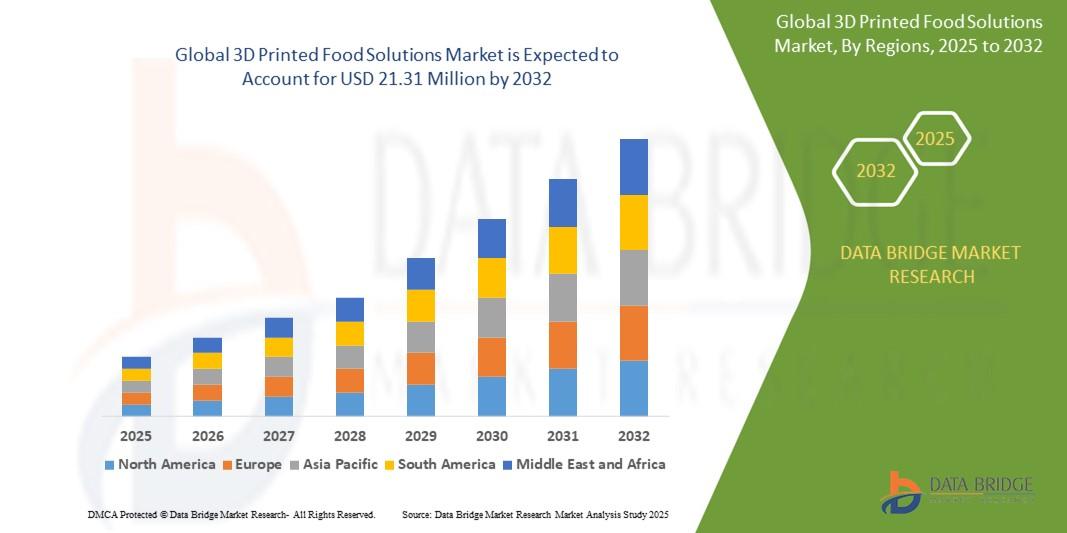
"Global Executive Summary 3d Printed Food Solutions Market: Size, Share, and Forecast The global 3D printed food solutions market size was valued at USD 345.21 million in 2024 and is expected to reach USD 21.31 million by 2032, at a CAGR of 34.22% during the forecast period. While preparing the first class 3d Printed Food Solutions Market report, all the...
隨著電子菸市場的快速發展,一次性小煙逐漸成為市場主流選擇。相較於傳統可更換煙彈的電子菸,拋棄式電子菸憑藉其簡單便捷的使用方式深受消費者喜愛。無論是電子菸新手還是資深玩家,這類產品都能夠滿足日常使用需求,並提供多種口味選擇,使使用者擁有更豐富的體驗。本文將從一次性電子菸的特點、優勢、選購建議等方面進行深入介紹,幫助消費者更好地選擇適合自己的電子菸產品。 一次性小煙最大的特點就是「即拆即用」,無需額外的配件與維護,適合追求便捷的用戶。傳統電子 菸通常需要額外購買煙彈、煙油,甚至需要更換霧化芯和清潔設備,而拋棄式電子菸省去了這些步驟,只要拆開包裝即可使用,抽完即丟,完全不需要額外的操作。此外,這類電子菸通常內建電池,無需充電,在電量與煙油耗盡前都能保持穩定輸出,讓使用者能夠流暢地享受每一口煙霧。 除了便利性,一次性電子菸還擁有豐富的口味選擇,滿足不同使用者的需求。和需要需要更換煙...

Ever just feel like you need a break? Not a big fancy event, just a small escape from the everyday madness? That’s where Sydney’s floating restaurants really shine. Hop on a lunch cruise in Sydney and suddenly, you’re not just having a meal… you’re gliding across sparkling blue waters, surrounded by iconic views, basking in the sunshine and, for a moment,...

What is Real-World Asset Tokenization? Real-World Asset (RWA) Tokenization is the procedure of changing tangible or conventional financial assets consisting of actual property, gold, bonds, or fiat currency into digital tokens on a blockchain. These tokenized belongings represent ownership or price, permitting them to be without difficulty sold, bought, or transferred in a digital...