Reliability Budgets for AI-Powered Mobile Experiences

Introduction
Have you ever opened an app and waited… and waited… only for it to crash? Frustrating, right? Now imagine that app uses artificial intelligence to give you smart recommendations, voice replies, or instant insights. When AI fails, the experience feels even worse because we expect it to be “smart.”
That’s where reliability budgets come in. They help businesses decide how much failure is acceptable and how much stability users truly need. If you want to build an AI-powered app that people trust, reliability isn’t optional — it’s everything. And if you're working with a Top Mobile App Development Company USA, reliability planning is one of the first things they’ll talk about.
Let’s break this down in simple terms.
1. What Is a Reliability Budget?
Think of a reliability budget like your monthly spending budget. You decide how much you can afford to spend without going broke.
Similarly, a reliability budget defines how much downtime or error your app can tolerate without harming user experience.
For example:
-
99.9% uptime allows about 43 minutes of downtime per month.
-
99.99% uptime reduces that to just 4 minutes.
That tiny difference can mean everything for AI-driven apps like chat assistants or recommendation engines.
2. Why AI-Powered Apps Need Special Attention
AI apps are more complex than traditional apps. They depend on:
-
Cloud servers
-
APIs
-
Machine learning models
-
Real-time data
More moving parts = more chances for something to break.
Imagine a smart fitness app that gives you real-time coaching. If the AI response is delayed by even 3 seconds, it feels awkward. Reliability isn’t just about “not crashing.” It’s about speed, consistency, and smooth interaction.
3. The Hidden Cost of Downtime
Downtime doesn’t just annoy users — it costs money.
When your app:
-
Crashes
-
Freezes
-
Shows errors
-
Gives wrong AI responses
Users leave. And once they leave, they rarely come back.
Think of reliability like trust in a friendship. If someone disappoints you repeatedly, you stop relying on them. Apps are no different.
4. Reliability vs. Innovation: Finding Balance
Here’s a big question: Should you focus on building new AI features or making your existing system stronger?
You can’t do both aggressively at the same time.
Reliability budgets help teams decide:
-
If error rates are high → focus on stability
-
If system is stable → innovate faster
It’s like driving a car. You can’t press the accelerator if your engine is overheating.
5. How Reliability Budgets Actually Work
A reliability budget works using something called an error budget.
Here’s the simple process:
-
Set uptime target (e.g., 99.9%)
-
Calculate acceptable downtime
-
Track errors
-
If you exceed your error budget → pause new releases
-
Fix reliability issues first
This creates discipline. Teams stop chasing flashy features and focus on user experience.
6. Setting Realistic Uptime Goals
Should every app aim for 99.999% uptime?
Not necessarily.
Ask yourself:
-
Is your app used daily?
-
Does it handle payments?
-
Does it rely heavily on AI responses?
A medical AI app needs higher reliability than a casual gaming app.
A Top Mobile App Development Company USA helps businesses choose the right reliability goal based on audience, usage, and business risk.
7. Monitoring and Measuring Reliability
You can’t improve what you don’t measure.
Key metrics include:
-
Uptime percentage
-
Response time
-
Crash rate
-
AI accuracy rate
-
Latency
AI adds another layer — performance quality. If your AI gives incorrect results 10% of the time, that’s also a reliability issue.
Monitoring tools send alerts before small issues become disasters.
8. Cloud Infrastructure and AI Stability
Most AI apps run on cloud platforms like:
-
Amazon Web Services
-
Google Cloud
-
Microsoft Azure
These platforms provide scalability and global availability.

But here’s the catch: even the best cloud systems can experience outages.
That’s why smart teams:
-
Use backup servers
-
Distribute traffic globally
-
Implement auto-scaling
Reliability budgets ensure these systems are prioritized properly.
9. Handling AI Model Failures Gracefully
AI models can fail in different ways:
-
Slow response
-
Incorrect output
-
Biased result
-
Complete crash
The trick isn’t preventing 100% of failures (impossible). It’s handling them gracefully.
For example:
-
Show fallback suggestions
-
Provide simple default responses
-
Inform users politely
Think of it like a restaurant. If your first choice dish isn’t available, a good waiter offers alternatives smoothly.
10. User Trust: The Real Currency
In AI apps, trust is everything.
If users suspect:
-
Data leaks
-
Inconsistent AI
-
Frequent errors
They uninstall.
Reliability budgets protect trust. They force teams to fix weak areas before damage spreads.
And trust is what separates average apps from those built by a Top Mobile App Development Company USA.
11. Role of a Top Mobile App Development Company USA
Why does expertise matter?
Because reliability isn’t just coding. It involves:
-
System architecture design
-
Load testing
-
AI performance tuning
-
Security management
-
Continuous monitoring
A Top Mobile App Development Company USA understands both AI complexity and user expectations. They design apps with reliability in mind from day one — not as an afterthought.
12. Common Mistakes Businesses Make
Let’s be honest. Many businesses focus on:
-
Fancy AI features
-
Marketing
-
Rapid launch
But ignore backend stability.
Common mistakes include:
-
No error budget defined
-
No monitoring tools
-
No fallback plans
-
Overloading servers
It’s like building a beautiful house on weak foundations.
13. Scaling AI Apps Without Breaking Them
Growth is exciting. More users, more downloads, more revenue.
But growth also means more strain.
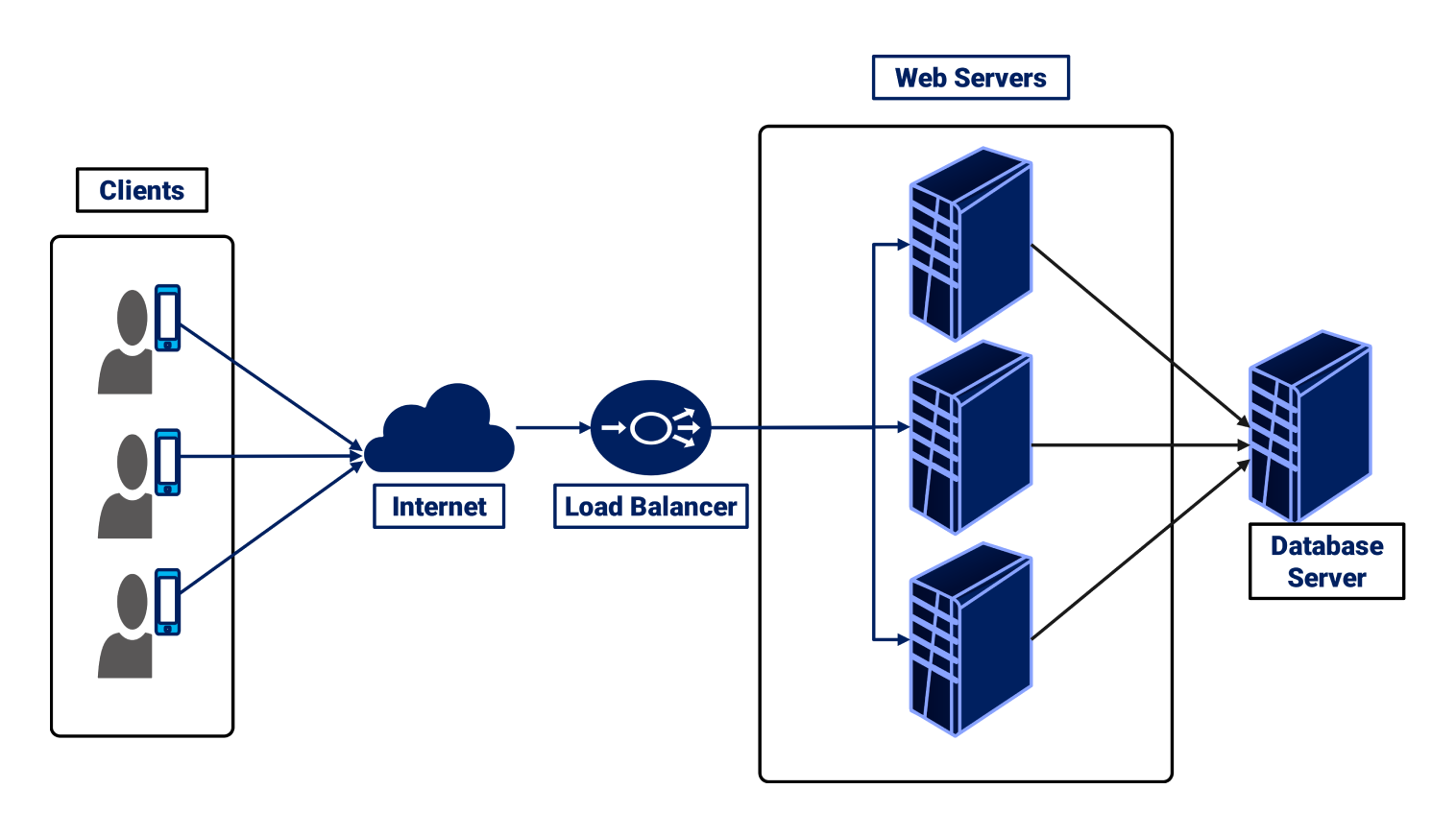
To scale safely:
-
Use auto-scaling servers
-
Optimize AI models
-
Reduce unnecessary API calls
-
Cache frequent responses


4
Reliability budgets help teams slow down feature releases during rapid growth phases to prevent system collapse.
14. The Future of Reliable AI Experiences
AI is becoming more personal and more powerful. From voice assistants to predictive shopping, users expect instant, accurate results.
In the future:
-
Apps will self-monitor
-
AI models will auto-adjust
-
Downtime will become less acceptable
Reliability budgets will become standard practice, just like cybersecurity planning is today.
Businesses that ignore reliability risk becoming irrelevant.
Conclusion
AI-powered mobile apps are changing how we live, shop, learn, and communicate. But no matter how intelligent your app is, it means nothing if users can’t rely on it.
Reliability budgets help businesses balance innovation with stability. They create discipline, protect user trust, and reduce costly downtime. If you're serious about building an AI-powered app that users love, partnering with a Top Mobile App Development Company USA ensures reliability is built into the foundation — not added later.
In today’s digital world, reliability isn’t a luxury. It’s survival.
FAQs
1. What is a reliability budget in simple terms?
A reliability budget defines how much downtime or error an app can tolerate while still delivering a good user experience.
2. Why are reliability budgets important for AI apps?
AI apps rely on multiple systems and data sources. Reliability budgets prevent excessive failures and protect user trust.
3. How does a Top Mobile App Development Company USA improve reliability?
They use strong architecture, monitoring tools, cloud optimization, and AI tuning to reduce crashes and performance issues.
4. Can small businesses benefit from reliability budgets?
Yes. Even small apps can lose users quickly if they crash. Planning reliability early saves money and reputation later.
5. Is 100% uptime possible for AI-powered mobile apps?
No system can guarantee 100% uptime. The goal is minimizing downtime and handling failures gracefully when they occur.
Categories
- Arts & Entertainment
- Causes
- Crafts
- Dance
- Drinks
- Film
- Health
- Food Trends
- Gaming
- Home & Garden
- Health & Fitness
- Literature
- Music & Concerts
- Networking
- Other
- Party
- Religion
- Shopping
- Sports
- Theater
- Wellness
- Cryptocurrency
- NFT Trends
- Coin update
- Lifestyle
- Business & Finance
- Entrepreneurship
- Marketing Strategies
- Personal Finance
- Investment Tips
- Industry Trends
- Technology
- Gadgets & Reviews
- Software & Apps
- Cybersecurity
- Emerging Technologies
- How-To Guides
- Education
- Movie & TV Reviews
- Celebrity News
- Book Reviews
- Personal Development
- Motivation & Inspiration
- Life Hacks
- Community & Culture
- Local Events
- Cultural Insights
- Social Issues
- Interviews & Spotlights
- Volunteering & Activism
- Science & Nature
- Animal Behavior
- Beauty Tips
- Fashion Trends
- Product Reviews
- Food & Drink
- Cooking
- Restaurant Reviews
- Travel
- Arts & Crafts
- Photography
- Workout Routines
- Parenting Tips
- News
- Tips & Tricks
- Case Studies
- Product Reviews
- Interviews
- Opinion
- Research & Insights
- Events Coverage
- Personal Stories
- Announcements
- Trends & Predictions
- Guest Posts
Read More
GarbhaGudi is recognized as the best IUI center in Bangalore, offering high success rates with compassionate care. Our expert fertility specialists use advanced techniques and state-of-the-art facilities to ensure safe and effective IUI treatments. We provide personalized care plans, affordable packages, and continuous support throughout your fertility journey. With a strong track record of...

A new Report by Delvens, titled "Generative Design Market” offers a comprehensive analysis of the industry, which comprises insights on the Global analysis. The report also includes competitor and regional analysis, and contemporary advancements in the market, Generative Design Market was valued at USD 128.46 Million in 2019 and is projected to reach a CAGR of 20.3% to 2030. Get Free...

"Stretch Marks Treatment Market Size And Forecast by 2032 The study also emphasizes the broader implications of the strategies employed by these companies on the Stretch Marks Treatment Market. Their innovations and market contributions not only shape the industry today but also pave the way for its future trajectory. By analyzing these companies, the report equips stakeholders with...

Dưới chân núi Đèo Ngang, những cánh mai vàng năm cánh đang nở rộ khiến người dân xã Kỳ Nam (thị xã Kỳ Anh, Hà Tĩnh) vừa mừng vừa lo.vườn mai giống Từ một loài cây dại mọc ven biển và cồn cát, mai vàng nay đã trở thành cây trồng chủ lực, giúp nhiều hộ dân...

Detailed Analysis of Executive Summary Medical Radiation Shielding Market Size and Share Medical radiation shielding market is expected to gain market growth in the forecast period of 2021 to 2028. Data Bridge Market Research analyses the market to account USD 1183.29 million by 2028 growing at a CAGR of 5.75% in the above-mentioned forecast period. An international Medical Radiation...