


Distributed Model Versioning Across Millions of Devices

Imagine your phone learning new things overnight — smarter recommendations, better voice recognition, faster predictions. Ever wondered how millions of devices update their intelligence without breaking everything?
That’s where distributed model versioning comes in.
In simple words, it’s the process of managing and updating AI or software models across millions of smartphones, tablets, wearables, and IoT devices — without chaos. Think of it like updating a recipe book shared across the world. Everyone needs the latest recipe, but not everyone updates at the same time, and some kitchens use different ingredients.
For businesses — especially any Top Mobile App Development Company USA — mastering this process isn’t optional anymore. It’s the backbone of reliable AI-powered mobile experiences.
Let’s break this down together in a simple, engaging way.
1. What Is Distributed Model Versioning?
Distributed model versioning simply means tracking, updating, and managing different versions of machine learning models across many devices.
Think of it like Netflix episodes — everyone watches the same show, but some people are ahead, some behind, and some buffering. The platform must ensure consistency without ruining the experience.
Similarly, apps must ensure:
-
Users get improved intelligence
-
Older devices don’t crash
-
Bugs don’t spread globally
Without versioning, updates become risky and unpredictable.
2. Why Millions of Devices Create Complexity
When you manage millions of devices, problems multiply quickly.
Different phones have:
-
Different hardware
-
Different OS versions
-
Different network speeds
-
Different storage limits
A model that works perfectly on a flagship phone might struggle on an entry-level device.
This is why distributed versioning is less about technology and more about controlled adaptability.
3. The Role of Edge Computing
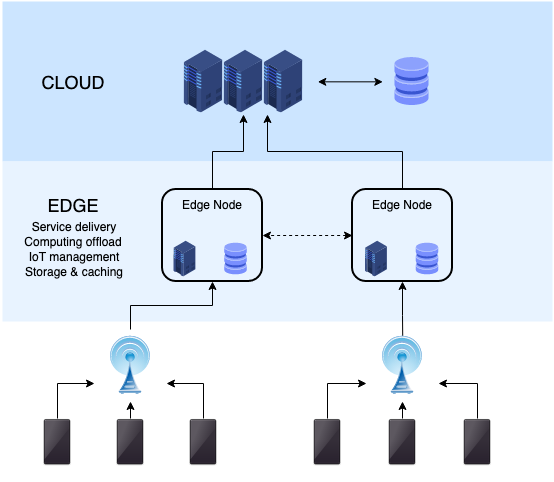

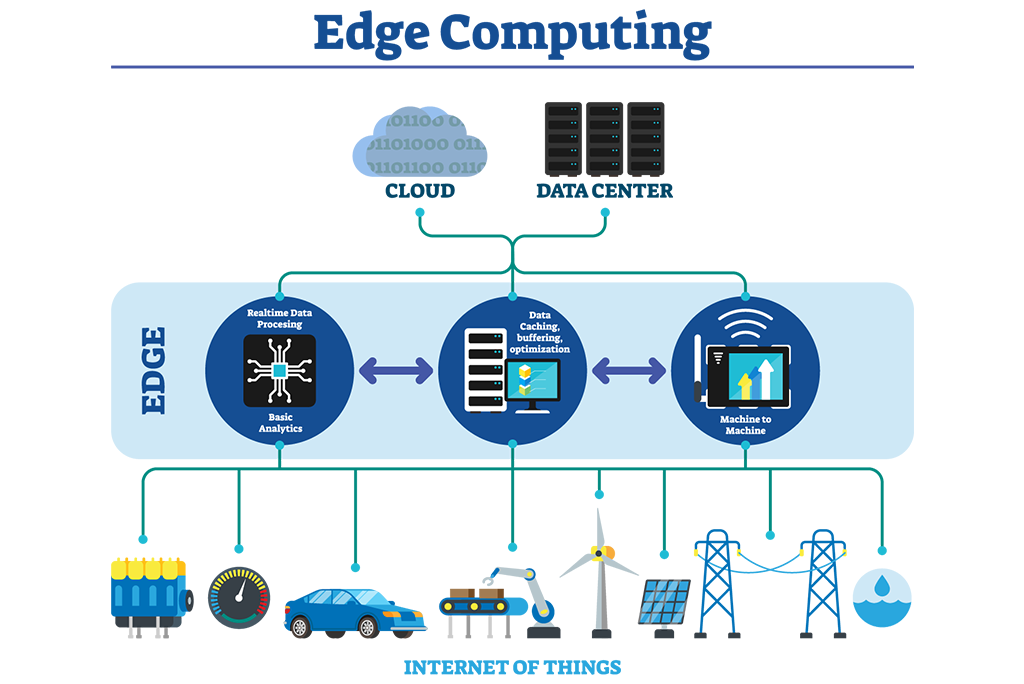
4
Edge computing means processing data directly on the device instead of sending everything to the cloud.
Why does this matter?
Because:
-
It reduces latency
-
Improves privacy
-
Saves bandwidth
-
Enables offline intelligence
But here’s the catch — each device now becomes its own mini data center. That means version control must be smarter and more adaptive.
4. Version Control for AI Models
Just like developers use version control for code, AI models also need version tracking.
Key components include:
-
Model version identifiers
-
Compatibility tracking
-
Incremental updates
-
Performance monitoring
This ensures devices don’t accidentally mix incompatible versions.
5. Challenges in Distributed Updates
Let’s be honest — updating one server is easy. Updating millions of phones? That’s a different story.
Major challenges include:
-
Partial updates
-
Network interruptions
-
Device storage limits
-
Hardware fragmentation
-
Unexpected performance drops
It’s like sending a package worldwide — some arrive instantly, some late, some lost.
6. Strategies for Safe Model Deployment
Successful companies don’t release updates blindly. They use careful strategies such as:
Gradual rollout
Only a small percentage of users receive the update first.
A/B testing
Different users get different versions to compare performance.
Canary releases
Early exposure to detect failures quickly.
These strategies help prevent global failures.
7. Handling Offline and Slow Devices
What happens when users are offline for days or weeks?
Distributed model versioning must handle:
-
Delayed updates
-
Version skipping
-
Incremental synchronization
Devices shouldn’t break just because they missed a few updates.
This is why lightweight patch updates are becoming more popular.
8. Security and Privacy Considerations


4
Security is a huge concern.
If attackers tamper with model updates, the consequences could be serious.
Important protections include:
-
Encrypted updates
-
Signed model versions
-
Secure update channels
-
Tamper detection
Privacy also improves when more processing happens locally.
9. Real-World Examples in Mobile Apps
Many apps already use distributed model versioning.
For example:
-
Voice assistants improving recognition
-
Camera apps enhancing photo processing
-
Keyboard apps refining prediction models
-
Fitness apps improving activity detection
Companies like Apple Inc. and Google LLC rely heavily on on-device intelligence updates to enhance user experiences without constant cloud dependency.
10. Tools and Technologies Powering Versioning
Behind the scenes, several technologies enable smooth distribution.
Key enablers include:
-
OTA (Over-the-Air) update frameworks
-
Model compression tools
-
Federated learning systems
-
Edge orchestration platforms
Cloud providers such as Microsoft Corporation also support large-scale deployment pipelines for distributed AI.
11. Monitoring and Rollback Mechanisms
Even the best updates can fail.
That’s why rollback capability is critical.
Good systems include:
-
Real-time monitoring
-
Crash detection
-
Automatic rollback triggers
-
Performance anomaly alerts
Imagine installing an update and instantly going back if things break — that’s the goal.
12. The Business Impact for App Companies
For any Top Mobile App Development Company USA, distributed model versioning delivers major advantages:
-
Faster innovation cycles
-
Better user retention
-
Reduced infrastructure costs
-
Improved app intelligence
-
Competitive differentiation
Users may never notice the process — but they definitely notice the results.
13. Future Trends in Distributed Model Management
The future is exciting.
We’re moving toward:
-
Self-adaptive models
-
Personalized AI versions per user
-
Autonomous update scheduling
-
Ultra-lightweight models for emerging markets
Soon, your phone’s AI may be slightly different from mine — and that’s actually a good thing.
14. How Companies Can Get Started
If you’re building intelligent apps, here’s where to begin:
Start small
Deploy versioning for one feature first.
Invest in monitoring
Visibility prevents disasters.
Prioritize compatibility
Support low-end devices early.
Partner with experts
Working with a Top Mobile App Development Company USA can dramatically accelerate implementation and reduce risk.
Conclusion
Distributed model versioning might sound technical, but at its heart, it’s about trust and reliability.
It ensures that millions of devices can learn, adapt, and improve — without breaking user experiences.
As AI becomes more deeply embedded in mobile apps, this capability will shift from a technical advantage to a business necessity.
So next time your phone magically gets smarter overnight, remember — it’s not magic. It’s careful orchestration happening behind the scenes.
And companies that master this orchestration will lead the future of intelligent mobile experiences.
FAQs
1. What is distributed model versioning in simple terms?
It is the process of managing and updating AI models across many devices while keeping them compatible and stable.
2. Why is distributed model versioning important for mobile apps?
It helps apps improve intelligence, avoid crashes, and deliver consistent performance across diverse devices.
3. How do companies prevent update failures across millions of devices?
They use gradual rollouts, monitoring systems, rollback mechanisms, and compatibility testing.
4. Does distributed model versioning improve user privacy?
Yes, especially when models run on-device, reducing the need to send sensitive data to the cloud.
5. How can businesses implement distributed model versioning successfully?
By investing in edge infrastructure, monitoring tools, compatibility testing, and partnering with experienced development teams.
Categorías
- Arts & Entertainment
- Causes
- Crafts
- Dance
- Drinks
- Film
- Health
- Food Trends
- Gaming
- Home & Garden
- Health & Fitness
- Literature
- Music & Concerts
- Networking
- Other
- Party
- Religion
- Shopping
- Sports
- Theater
- Wellness
- Cryptocurrency
- NFT Trends
- Coin update
- Lifestyle
- Business & Finance
- Entrepreneurship
- Marketing Strategies
- Personal Finance
- Investment Tips
- Industry Trends
- Technology
- Gadgets & Reviews
- Software & Apps
- Cybersecurity
- Emerging Technologies
- How-To Guides
- Educación
- Movie & TV Reviews
- Celebrity News
- Book Reviews
- Personal Development
- Motivation & Inspiration
- Life Hacks
- Community & Culture
- Local Events
- Cultural Insights
- Social Issues
- Interviews & Spotlights
- Volunteering & Activism
- Science & Nature
- Animal Behavior
- Beauty Tips
- Fashion Trends
- Product Reviews
- Food & Drink
- Cooking
- Restaurant Reviews
- Travel
- Arts & Crafts
- Photography
- Workout Routines
- Parenting Tips
- News
- Tips & Tricks
- Case Studies
- Product Reviews
- Interviews
- Opinion
- Research & Insights
- Events Coverage
- Personal Stories
- Anuncios
- Trends & Predictions
- Guest Posts
Read More
Market Overview The global packaged wastewater treatment market was valued at USD 21.8 Billion in 2024 and is expected to reach USD 45.6 Billion by 2033, growing at a CAGR of 8.46% during the forecast period 2025-2033. Growth is driven by the rising emphasis on sustainability, water conservation, and the integration of smart and automation technologies in treatment systems. North America leads...

"Automotive Lighting Market Size And Forecast by 2028 According to Data Bridge Market Research Global automotive lighting market is expected to reach USD 38.83 billion by 2028 and witnessing market growth at a rate of 5.52% in the forecast period of 2021 to 2028. Vehicle LED Lighting Market continues to dominate the industry with its commitment to innovation and customer satisfaction. The...

Introduction MP Bhulekh is an innovative online platform launched by the Government of Madhya Pradesh to digitize and simplify land records. This user-friendly system provides citizens with seamless access to land-related information, making property management transparent and efficient. The initiative aims to reduce disputes, improve governance, and empower landowners, farmers, and...

In the rapidly evolving crypto landscape, building a high-performing, user-friendly, and revenue generating crypto exchange is no longer a luxury, it's a necessity. As traders demand smoother experiences, entrepreneurs are turning to white-label solutions like the WazirX Clone Script to fast-track their success. If you’re looking to launch a cryptocurrency exchange like WazirX with...

Root Canal Filling Material market is entering a significant growth phase driven by rising dental disease prevalence, expanding geriatric populations, and increasing adoption of advanced endodontic materials. Valued at USD 706 million in 2024, the market is projected to reach USD 1.15 billion by 2031, growing at a CAGR of 7.4%. The shift toward bioactive and regenerative materials is...