


How to Choose the Right Beard Darkening Product
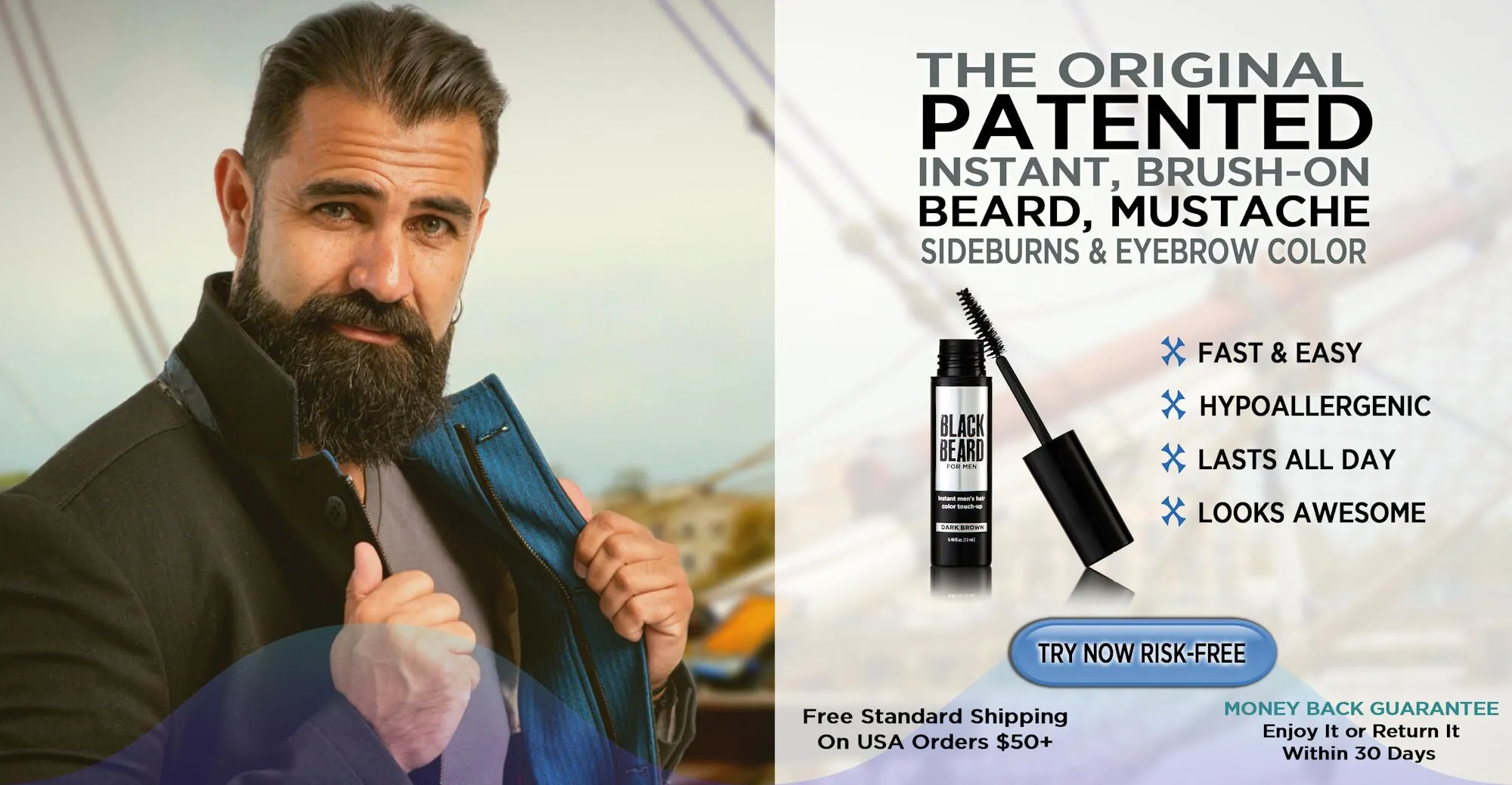
Whether you're trying to cover up gray strands, give your beard a fuller appearance, or simply switch up your style, choosing the right beard darkening product is a key decision for any grooming-conscious man. The market today offers a wide range of options—from dyes and tints to temporary colorants and natural enhancers—each with its own benefits, drawbacks, and ideal use cases.
Many men find themselves overwhelmed with all the choices, wondering which product will suit their beard type, skin sensitivity, and desired look. It’s not just about color—it's about longevity, ease of application, ingredients, and how natural the end result looks. For example, some men might prefer semi-permanent solutions, while others opt for quick touch-up products that can be applied daily.
A great starting point is understanding the range of beard colors available and how they interact with your natural hair tone and complexion. Choosing the wrong shade can result in an unnatural look or even skin irritation. This guide will walk you through the critical factors to consider so you can confidently select a product tailored to your grooming needs.
Key Points
-
Understand the different types of beard darkening products available.
-
Choose a product based on your skin type, hair texture, and lifestyle.
-
Know how to select the right shade for a natural appearance.
-
Review ingredients to avoid allergic reactions or skin sensitivity.
-
Consider application methods and longevity of different products.
-
Learn tips for safe and effective application.
Types of Beard Darkening Products
Not all beard darkening products are created equal. Each type serves a unique purpose, and choosing the wrong one could lead to dissatisfaction or even adverse reactions. Here are the most common types used today:
1. Permanent Beard Dyes
These products use chemical reactions to penetrate hair shafts and provide long-lasting color. Typically used every few weeks, they offer full coverage and are suitable for those with a completely gray or patchy beard. However, they may contain ammonia or peroxide, which could irritate sensitive skin.
2. Semi-Permanent Dyes
These are gentler alternatives that usually last up to two weeks. They sit on the outer layer of hair and gradually fade with washing. Ideal for men wanting less commitment or who are concerned about skin reactions.
3. Temporary Colorants and Beard Mascara
These include daily-use products like color wands, mascara-style applicators, or brush-on tints. They wash out with a single rinse and are perfect for touch-ups or experimenting with different shades before making a longer-term choice.
4. Natural Darkening Products
Made from herbal or botanical ingredients like henna, coffee, or black walnut powder, these provide color without harsh chemicals. While results may not be as intense or long-lasting, they’re ideal for men with sensitive skin or those preferring a more holistic approach.
5. Beard Pencils and Fillers
These are typically used to fill in sparse areas rather than coloring the entire beard. They can also help define beard edges for a sharper appearance.
Factors to Consider When Choosing a Beard Darkening Product
Once you're familiar with the types of products available, it's essential to evaluate your specific needs to find the best match. Here’s what to consider:
1. Skin Sensitivity
If you’ve ever experienced irritation from hair or skin products, opt for hypoallergenic or dermatologist-tested options. Always perform a patch test before full application, especially when using chemical dyes.
2. Beard Texture and Color
Coarser beards may require stronger formulations to absorb color effectively, while finer beards might respond well to lighter products. Additionally, a beard with multiple color tones may require a blend or a slightly lighter product to avoid looking too harsh.
3. Desired Longevity
Think about how often you’re willing to reapply the product. If you're okay with a daily routine, temporary colorants may work for you. If you prefer something more hands-off, a semi-permanent or permanent dye could be more suitable.
4. Application Time and Process
Some products require 15 to 30 minutes of prep and development time, while others work instantly. Consider how much time you realistically have to dedicate to grooming.
5. Color Matching
Choosing the right shade is crucial. A color too dark can look unnatural, while one too light won’t provide the desired coverage. When in doubt, go a shade lighter than your natural hair color for a more balanced appearance.
How to Apply Beard Darkening Products Safely and Effectively
Applying beard color isn’t just about slapping on some dye—it’s a process that requires attention to detail.
-
Clean Your Beard: Wash your beard to remove oil, dirt, and product buildup. This ensures the color adheres evenly.
-
Perform a Patch Test: Test on a small skin area at least 24 hours before full application.
-
Use Gloves: Protect your hands to prevent staining.
-
Apply Evenly: Use a brush or applicator to distribute the product evenly through your beard.
-
Monitor Time: Follow the product’s timing instructions closely to avoid over-processing.
-
Rinse Thoroughly: Use lukewarm water to rinse out product completely, ensuring no residue remains.
Common Mistakes to Avoid
-
Choosing a color too dark: Always consider how the color will look under natural light. Darker shades can appear unnatural and harsh.
-
Skipping patch tests: Especially important for first-time users or those with sensitive skin.
-
Not following instructions: Overprocessing can damage hair and irritate skin.
-
Ignoring beard care post-application: Use beard oils or conditioners to keep your beard soft and healthy after coloring.
Maintaining Your Darkened Beard
Maintenance is just as important as choosing the right product. Here are tips to keep your beard looking fresh and vibrant:
-
Use color-safe beard shampoos to avoid premature fading.
-
Apply conditioning oils to nourish hair and maintain shine.
-
Limit sun exposure, as UV rays can lighten color over time.
-
Reapply product as needed—don’t wait until the color completely fades.
FAQs
1. How do I know which beard color matches my hair?
A general rule is to go one shade lighter than your natural hair color. This provides a more natural, blended look and avoids the sharp contrast that can occur with darker colors.
2. Are there any side effects to using beard darkening products?
While most products are safe for use when applied correctly, some individuals may experience allergic reactions or irritation. Always perform a patch test before full application and avoid products with harsh chemicals if you have sensitive skin.
3. Can I use hair dye on my beard?
It's not recommended. Beard hair is different in texture from scalp hair, and facial skin is more sensitive. Always use products specifically formulated for beards.
4. How long do most beard darkening products last?
Duration varies by product type. Temporary colorants typically last until your next wash, semi-permanent dyes last one to two weeks, and permanent dyes can last several weeks, depending on your grooming routine.
5. What should I do if the color doesn't turn out as expected?
If the color is too dark, try washing your beard with a clarifying shampoo. If it’s too light, wait a day or two before reapplying. Avoid making drastic changes quickly, as overprocessing can damage your facial hair.
6. How often should I reapply beard dye?
This depends on the type of product and how quickly your beard grows. Permanent dyes may need reapplication every 3–4 weeks, while temporary products might require daily use.
7. Are there beard darkening options for graying beards?
Absolutely. Many dye products are specifically designed to blend gray hairs naturally, rather than completely cover them. Choose a tone that complements your natural color for the best result.
8. Can beard darkening products stain my skin?
Yes, especially with more pigmented products. Apply petroleum jelly or a thick moisturizer around the edges of your beard to prevent staining your skin.
Categories
- Arts & Entertainment
- Causes
- Crafts
- Dance
- Drinks
- Film
- Health
- Food Trends
- Gaming
- Home & Garden
- Health & Fitness
- Literature
- Music & Concerts
- Networking
- Other
- Party
- Religion
- Shopping
- Sports
- Theater
- Wellness
- Cryptocurrency
- NFT Trends
- Coin update
- Lifestyle
- Business & Finance
- Entrepreneurship
- Marketing Strategies
- Personal Finance
- Investment Tips
- Industry Trends
- Technology
- Gadgets & Reviews
- Software & Apps
- Cybersecurity
- Emerging Technologies
- How-To Guides
- Education
- Movie & TV Reviews
- Celebrity News
- Book Reviews
- Personal Development
- Motivation & Inspiration
- Life Hacks
- Community & Culture
- Local Events
- Cultural Insights
- Social Issues
- Interviews & Spotlights
- Volunteering & Activism
- Science & Nature
- Animal Behavior
- Beauty Tips
- Fashion Trends
- Product Reviews
- Food & Drink
- Cooking
- Restaurant Reviews
- Travel
- Arts & Crafts
- Photography
- Workout Routines
- Parenting Tips
- News
- Tips & Tricks
- Case Studies
- Product Reviews
- Interviews
- Opinion
- Research & Insights
- Events Coverage
- Personal Stories
- Announcements
- Trends & Predictions
- Guest Posts
Read More
CLICK THIS L!NKK 🔴📱👉 https://iyxwfree.my.id/watch-streaming/?video=full-sean-tristan-scandal-sean-tristan-viral-sean-tristan-twitter 🔴 Visit THIS L!NKK 🔴📱👉 https://iyxwfree.my.id/watch-streaming/?video=full-sean-tristan-scandal-sean-tristan-viral-sean-tristan-twitter 🔴 Happy 26 Birthday Scandal (1) Inside Bedroom (4) jabol tv girl twitter video viral 4 na babae viral sa tiktok (1) Sementeryo...

Market Overview: According to the most recent research study by Extrapolate, the global Consumer IoT Market Demand will reach USD 262.56 billion by 2031 from USD 74.91 billion in 2023, showcasing a 16.9% CAGR growth from 2024 to 2031. This report highlights overall sales volume, price, revenue, market share, and key companies to deliver a complete summary of the global Consumer IoT...

The Three-Phase Magnetic Amplifiers Market was valued at USD 0.5 billion in 2024 and is projected to reach USD 1.2 billion by 2034, registering a CAGR of 8.5%. Emergen Research has published a novel research report titled, “Global Three-Phase Magnetic Amplifiers Market Forecast to 2028”. The report sheds light on the current as well as upcoming market trends. The report...

The most recent report published by Vantage Market Research indicates that the "Digital Health Market" is likely to accelerate significantly in the next few years. The Digital Health Market report gives a purposeful depiction of the area by the practice for research, amalgamation, market size, overview, and review of data taken from various sources. The Digital Health Market study includes...

Cloud call center software is a modern solution designed to manage customer interactions through various communication channels, all hosted on the internet rather than on physical hardware at your location. Here’s a straightforward breakdown of what cloud call center software is and why it’s beneficial: What is Cloud Call Center Software? Cloud call center software is a digital...