How SEO Consultants Build Topical Authority That Google Rewards

For years, SEO success was measured by how well a page targeted a keyword. In 2026, that approach no longer works on its own. Google now rewards websites that demonstrate depth, relevance, and credibility across an entire topic — not just individual search terms.
This shift is where topical authority comes into play.
SEO consultants who consistently deliver results understand that rankings today are built through structure, strategy, and intent alignment. Rather than publishing isolated blog posts, they create ecosystems of content that signal expertise to both users and search engines.
In this article, we’ll unpack how SEO consultants build topical authority in a way Google actually rewards — and why this approach has become central to modern SEO.
What Topical Authority Really Means in Modern SEO
Topical authority refers to how thoroughly a website covers a subject area and how clearly it demonstrates expertise within that space.
Instead of asking, “Does this page match the keyword?”, Google increasingly asks:
-
Does this site consistently publish helpful content on this topic?
-
Are related subtopics covered in depth?
-
Is there a clear structure connecting the content?
-
Do users engage with and trust this information?
SEO consultants focus on answering these questions through strategic planning rather than chasing rankings page by page.
Why Google Rewards Topical Authority
Google’s algorithms have evolved to prioritise usefulness, context, and intent. AI-driven search systems now analyse relationships between topics, not just words on a page.
Sites with strong topical authority tend to:
-
Rank faster for new content
-
Hold rankings longer during updates
-
Compete more effectively in crowded niches
-
Attract higher-quality organic traffic
This is why experienced SEO services consultants spend more time on content architecture than on individual optimisation tricks.
The Pillar-and-Cluster Model SEO Consultants Use
At the core of topical authority is structure.
Most SEO consultants rely on a pillar-and-cluster model, where:
-
A pillar page covers a broad topic in depth
-
Cluster pages explore specific subtopics in detail
-
Internal links connect everything logically
For example, instead of publishing random articles about SEO, a consultant might build a pillar page around SEO strategy, supported by clusters on:
-
Technical SEO
-
Content optimisation
-
Link building
-
Search intent
-
Performance tracking
This structure helps Google understand that the site isn’t just mentioning a topic — it owns it.
Search Intent: The Hidden Driver of Authority
One common mistake businesses make is writing content based on keywords alone.
SEO consultants start with search intent:
-
Informational: learning and research
-
Commercial: comparison and evaluation
-
Transactional: ready to act
To build authority, content must meet intent at every stage of the journey. That means:
-
Educational guides for early-stage users
-
In-depth comparisons for decision-makers
-
Practical resources that support real actions
When intent is consistently matched, engagement improves — and engagement is one of the strongest authority signals Google observes.
Content Depth Beats Content Volume
Publishing more content does not automatically build authority.
SEO consultants prioritise:
-
Depth over frequency
-
Clarity over cleverness
-
Accuracy over opinion
A smaller library of well-connected, high-quality content often outperforms dozens of thin articles. This is why seo services consultants invest heavily in research, outlining, and editorial standards before publishing anything.
Content that genuinely answers questions reduces pogo-sticking, increases dwell time, and earns natural links — all signals Google associates with authority.
Internal Linking as an Authority Signal
Internal links are more than navigation tools. They tell Google how content is related and which pages matter most.
Effective internal linking:
-
Reinforces topical relevance
-
Distributes authority across pages
-
Helps search engines crawl efficiently
-
Guides users through related content
SEO consultants design internal links intentionally, ensuring that supporting content points back to pillar pages and that no important page is isolated.
This kind of structure is a hallmark of high-performing SEO strategies.
Real-World Example: Authority vs Keyword Targeting
Consider two websites in the same industry.
Site A publishes individual blog posts targeting unrelated keywords, each optimised in isolation.
Site B publishes fewer articles but builds a complete content hub around one topic, linking each piece logically and updating them regularly.
Over time, Site B will almost always outperform Site A — even if individual pages are less aggressively optimised. This is the difference between chasing rankings and building authority, a distinction experienced seo services consultants understand well.
How Expertise and Trust Fit Into Topical Authority
Authority is not just about content quantity or structure. It’s also about credibility.
Google looks for:
-
Clear authorship and expertise
-
Consistent tone and accuracy
-
Updated information
-
Real-world relevance
SEO consultants often collaborate with subject-matter experts, use first-hand insights, and prioritise clarity over fluff. This approach aligns closely with Google’s emphasis on experience and trust.
Some agencies, such as crunchy digital, apply these principles by combining technical SEO, content strategy, and ongoing optimisation into a single, cohesive framework rather than treating them as separate tasks.
Measuring Topical Authority Growth
Topical authority doesn’t show up as a single metric, but SEO consultants track its impact through patterns, including:
-
Broader keyword coverage
-
Faster indexation of new content
-
Improved rankings for long-tail queries
-
Increased organic traffic consistency
-
Stronger performance during algorithm updates
These signals indicate that Google is recognising the site as a trusted source within its niche.
Why This Approach Matters in 2026
As AI-generated content becomes more common, Google’s ability to assess real expertise has sharpened. Generic content no longer stands out.
Topical authority is what separates websites that survive algorithm updates from those that disappear.
This is why modern SEO is no longer about “doing SEO tasks” — it’s about building systems that demonstrate relevance, depth, and usefulness over time.
Final Thoughts
SEO consultants who consistently deliver long-term results don’t rely on shortcuts. They build topical authority by understanding intent, structuring content intelligently, and focusing on genuine value.
For businesses, this means choosing SEO strategies that prioritise expertise over volume and clarity over noise. For consultants, it means thinking like an editor, an analyst, and a strategist — not just an optimiser.
Topical authority isn’t a trend. It’s the foundation of how Google rewards trust in modern search.
Categorías
- Arts & Entertainment
- Causes
- Crafts
- Dance
- Drinks
- Film
- Health
- Food Trends
- Gaming
- Home & Garden
- Health & Fitness
- Literature
- Music & Concerts
- Networking
- Other
- Party
- Religion
- Shopping
- Sports
- Theater
- Wellness
- Cryptocurrency
- NFT Trends
- Coin update
- Lifestyle
- Business & Finance
- Entrepreneurship
- Marketing Strategies
- Personal Finance
- Investment Tips
- Industry Trends
- Technology
- Gadgets & Reviews
- Software & Apps
- Cybersecurity
- Emerging Technologies
- How-To Guides
- Educación
- Movie & TV Reviews
- Celebrity News
- Book Reviews
- Personal Development
- Motivation & Inspiration
- Life Hacks
- Community & Culture
- Local Events
- Cultural Insights
- Social Issues
- Interviews & Spotlights
- Volunteering & Activism
- Science & Nature
- Animal Behavior
- Beauty Tips
- Fashion Trends
- Product Reviews
- Food & Drink
- Cooking
- Restaurant Reviews
- Travel
- Arts & Crafts
- Photography
- Workout Routines
- Parenting Tips
- News
- Tips & Tricks
- Case Studies
- Product Reviews
- Interviews
- Opinion
- Research & Insights
- Events Coverage
- Personal Stories
- Anuncios
- Trends & Predictions
- Guest Posts
Read More
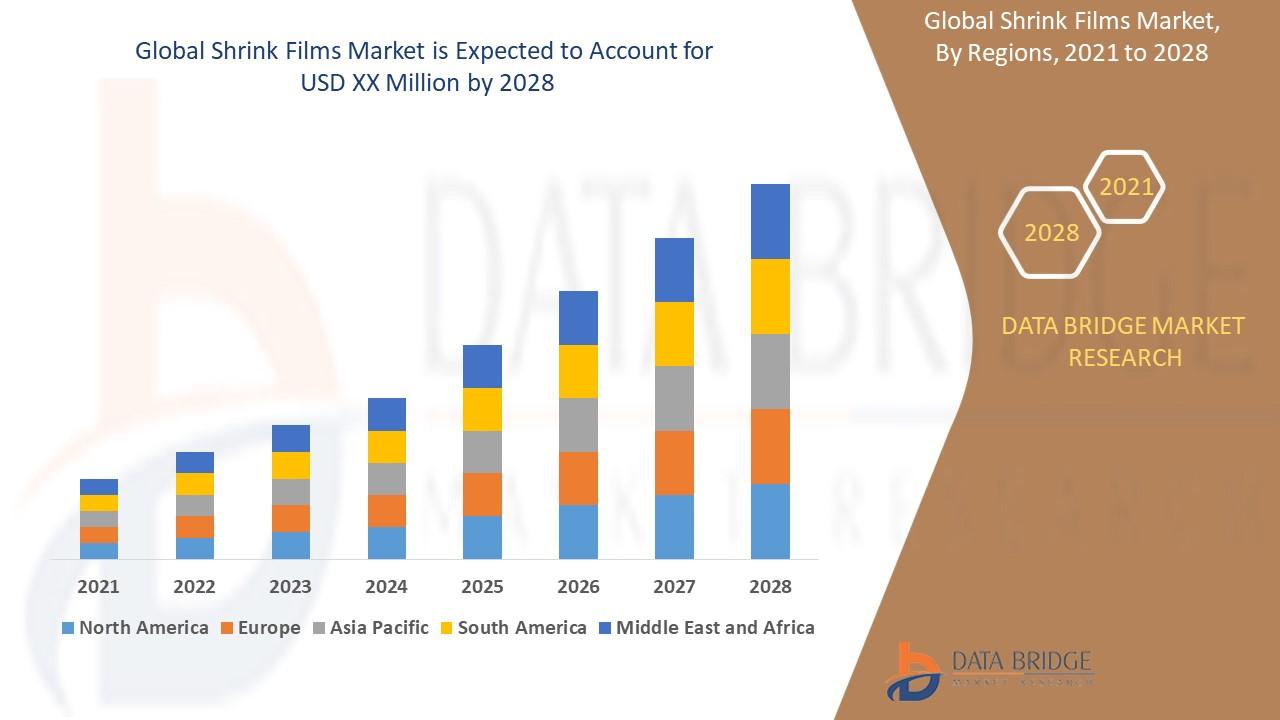
"Executive Summary Shrink Films Market Size, Share, and Competitive Landscape CAGR Value The global shrink films market size was valued at USD 18.07 billion in 2024 and is expected to reach USD 25.69 billion by 2032, at a CAGR of 4.5% during the forecast period An exceptional Shrink Films Market research document can be formulated well with the...
"Hyperimmunoglobulin D Syndrome (HIDS) Treatment Market Size And Forecast by 2029 According to Data Bridge Market Research Data Bridge Market Research analyses that the hyperimmunoglobulin D syndrome (HIDS) treatment market will grow at a CAGR of 3.10% during the forecast period of 2022 to 2029. Periodic Fever Syndrome Therapy Market is proud to announce an exciting expansion of its...

The global Procurement Outsourcing market is a dynamic and promising industry that has shown significant growth in recent years. According to Extrapolates recent market study, the Procurement Outsourcing market was valued at USD 4,643.0 million in 2022 and is expected to reach USD 5,081.4 million by 2030, exhibiting a robust CAGR of 10.94% over the forecast period of 2022-2030. This report...

"Medical Devices Market Size, Share, and Trends Analysis Report—Industry Overview and Forecast to 2031 According to Data Bridge Market Research firms, the Healthcare Equipment Market is set to achieve robust growth, supported by emerging economies and digital transformation. Companies operating in the Medical Equipment Market are leveraging advanced technologies to...
Data Bridge Market Research analyses a growth rate in urology robotic surgery market in the forecast period 2023-2030. The expected CAGR of urology robotic surgery market tend to be around 19.80% in the mentioned forecast period. The market was valued at USD 5.04 billion in 2022, and it would grow upto USD 21.41 billion by 2030. The global business landscape is undergoing a transformation, with...