Maximizing Efficiency And Precision With Professional Line Striping Machines
Investing in the right equipment is the most effective way to ensure your pavement markings are straight, durable, and professional. Whether you are managing a massive commercial shopping center or maintaining a small local playground, using high-quality machinery saves time and drastically reduces paint waste.
Why Every Property Manager Needs Reliable Line Striping Machines?
Maintaining a parking lot or a roadway is about much more than just aesthetics; it is a fundamental aspect of safety and liability management. When you utilize professional line striping machines, you are ensuring that every boundary, crosswalk, and parking stall is clearly defined for drivers and pedestrians. Crisp, vibrant lines prevent traffic confusion and help maximize the number of vehicles that can fit into a specific area. Without the right machinery, lines often end up jagged, uneven, or thin, which can lead to a disorganized appearance that reflects poorly on a business or municipality.
Furthermore, manual painting methods simply cannot compete with the speed and consistency of a dedicated machine. These units are designed to maintain a constant pressure, ensuring that the paint is applied at a uniform thickness across the entire project. This uniformity is crucial for longevity, as paint that is too thin will wear away under tire friction within months, while paint that is too thick may crack and peel. By using a machine, you ensure that the job is done right the first time, reducing the need for frequent touch-ups and long-term maintenance costs.
How To Choose Between Different Types Of Line Striping Machines?
Selecting the perfect equipment requires an understanding of your specific project needs and the volume of work you plan to undertake. There are several categories of line striping machines ranging from simple, hand-pushed aerosol units to high-performance airless gas-powered systems. If you are a small business owner looking to touch up a few stalls once a year, a basic aerosol striper might be sufficient. These are lightweight, easy to store, and require very little cleanup. However, for contractors or large facility managers, moving up to an airless system is a game-changer because it allows for the use of bulk paint, which is significantly more cost-effective than buying hundreds of individual spray cans.
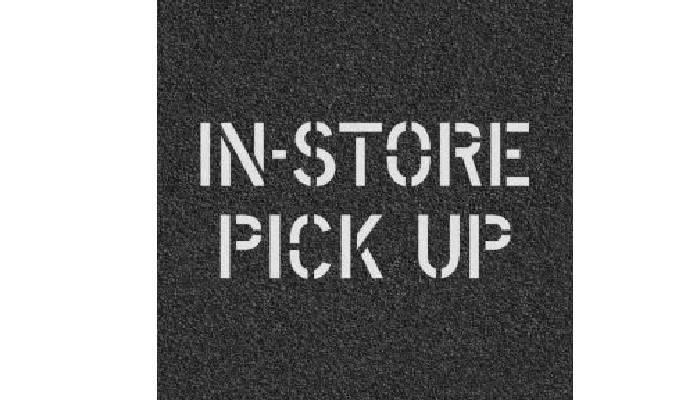
When evaluating your options, consider the terrain and the complexity of the layouts you will be creating. Some machines feature a swiveling front wheel, which is essential for painting smooth curves or circular designs. Others are built with heavy-duty frames and large pneumatic tires to handle rougher asphalt or uneven concrete surfaces without vibrating, which would otherwise cause "wavy" lines. To truly round out your pavement maintenance toolkit, you should also consider pairing your machine with high-quality parking lot stencils to handle specialized markings like handicap symbols, "No Parking" zones, and directional arrows with the same level of precision as your straight lines.
What Are The Benefits Of Using Airless Line Striping Machines?
Airless technology has revolutionized the pavement marking industry by providing a superior finish that traditional air-atomized sprayers simply cannot match. Airless line striping machines work by pumping paint at incredibly high pressure through a small nozzle, which atomizes the fluid into a consistent spray pattern without the need for compressed air. This results in a "dead-sharp" edge on your lines, meaning you won't see the fuzzy or feathered edges that often occur with cheaper sprayers. This level of crispness is exactly what professional inspectors and property owners look for when evaluating a completed striping job.
Another major advantage of airless systems is their ability to handle thicker, fast-drying traffic paints. These paints are often preferred because they allow a parking lot to be reopened to traffic much sooner, but they can be difficult to apply with low-powered equipment. Because airless machines can handle higher viscosities, you get better coverage in a single pass, often achieving the required mil-thickness without needing a second coat. This efficiency allows crews to finish more jobs per day, directly increasing the profitability of a striping business while ensuring the markings are thick enough to withstand harsh weather and heavy vehicle traffic.
How To Properly Maintain Your Line Striping Equipment?
Owning a high-performance machine is only half the battle; keeping it in top working condition is what ensures a return on your investment. Because traffic paint is designed to dry quickly and stick to surfaces permanently, it can wreak havoc on the internal components of your machine if left to sit. Every time you finish a project, it is vital to flush the system with the appropriate cleaning solvent—water for water-based paints or mineral spirits for oil-based products. Failure to do this can lead to clogged filters, ruined spray tips, and seized pump packings, all of which are expensive and time-consuming to repair.
Beyond just cleaning the fluid path, you should regularly inspect the mechanical parts of your line striping equipment. Check the tire pressure frequently, as uneven tires can cause the machine to pull to one side, making it impossible to walk a straight line. Lubricate any moving parts, such as the trigger cable and the wheel axles, to ensure smooth operation. It is also a good idea to keep a "spare parts kit" on hand, including extra spray tips and filters. There is nothing more frustrating than being halfway through a large job and having a tip clog or a seal fail without a replacement ready. A well-maintained machine can easily last a decade or more with proper care.
The Best Tips For Achieving Straight Lines With Your Machine?
Even the most expensive line striping machines require a skilled hand and a good strategy to produce perfect results. One of the best tips for beginners is to never "eyeball" a line. Professionals always use a chalk line or a string line to mark their path before they ever pull the trigger. Once your guide is set, place the pointer of your machine on the chalk line and focus your eyes about five to ten feet ahead of the machine rather than looking directly down at the spray tip. This perspective helps you maintain a much straighter path, similar to how looking down the road helps you drive a car in a straight line.
Speed control is another essential factor in achieving a professional finish. If you walk too fast, the line will be thin and transparent; if you walk too slow, the paint will puddle and potentially run. Finding a comfortable, steady walking pace is key. Many modern machines come with a "speed tracking" feature or a digital display to help you maintain consistency. Additionally, always start moving the machine forward before you pull the trigger, and release the trigger before you stop moving. This prevents a heavy buildup of paint at the beginning and end of each line, ensuring a clean and uniform look from start to finish across the entire lot.
Conclusion
Mastering the art of pavement marking starts with understanding the power and versatility of professional line striping machines. These tools are the backbone of the industry, providing the speed, precision, and durability required to keep our communities organized and safe. By selecting the right machine for your specific workload, maintaining it with diligence, and practicing proven application techniques, you can transform any dull stretch of asphalt into a perfectly marked landscape. As infrastructure continues to expand, the demand for high-quality striping will only grow, making these machines an invaluable asset for any property maintenance professional.
Kategoriler
- Arts & Entertainment
- Causes
- Crafts
- Dance
- Drinks
- Film
- Health
- Food Trends
- Gaming
- Home & Garden
- Health & Fitness
- Literature
- Music & Concerts
- Networking
- Other
- Party
- Religion
- Shopping
- Sports
- Theater
- Wellness
- Cryptocurrency
- NFT Trends
- Coin update
- Lifestyle
- Business & Finance
- Entrepreneurship
- Marketing Strategies
- Personal Finance
- Investment Tips
- Industry Trends
- Technology
- Gadgets & Reviews
- Software & Apps
- Cybersecurity
- Emerging Technologies
- How-To Guides
- EĞİTİM BİLGİLERİ
- Movie & TV Reviews
- Celebrity News
- Book Reviews
- Personal Development
- Motivation & Inspiration
- Life Hacks
- Community & Culture
- Local Events
- Cultural Insights
- Social Issues
- Interviews & Spotlights
- Volunteering & Activism
- Science & Nature
- Animal Behavior
- Beauty Tips
- Fashion Trends
- Product Reviews
- Food & Drink
- Cooking
- Restaurant Reviews
- Travel
- Arts & Crafts
- Photography
- Workout Routines
- Parenting Tips
- News
- Tips & Tricks
- Case Studies
- Product Reviews
- Interviews
- Opinion
- Research & Insights
- Events Coverage
- Personal Stories
- Duyurular
- Trends & Predictions
- Guest Posts
Read More
"Executive Summary Large-Joint Reconstructive Implants Market Market : An international Large-Joint Reconstructive Implants Market Market research report is an absolute overview of the market that spans various aspects such as product definition, customary vendor landscape, and market segmentation based on various parameters such as type of product, its components, type of...

Winter in New Jersey brings long cold nights and steady use of home heating systems. A furnace works many hours during these months, and even a small issue can raise energy bills. Regular care keeps the system strong and helps families avoid sudden repairs. Many homeowners think of checkups only when something breaks, yet steady care brings real savings. Over time, clean parts, balanced airflow...
"North America Forestry Equipment Market Size And Forecast by 2028 The North America Forestry Equipment Market is an evolving industry that holds significant potential across various sectors, driven by advancements in technology, shifting consumer preferences, and growing demand for innovative solutions. With a robust ecosystem of players and a dynamic competitive landscape, the market...
The Industrial Gas Regulators Market is undergoing a significant transformation, with industry forecasts predicting rapid expansion and cutting-edge technological innovations by 2032. As businesses continue to embrace digital advancements and strategic shifts, the sector is set to experience unprecedented growth, driven by rising demand, market expansion, and evolving industry...
In the financial planning and risk management industries, the two words "insurance" and "assurance" are often incorrectly used. Many people mistakenly think of them as being synonymous and, therefore, do not recognize that there is an important difference between the two. Both play a vital role in ensuring a strong financial foundation for your family; however, their objective is different. The...