


Maintenance Tips to Extend the Life of Your Natural Gas Genset
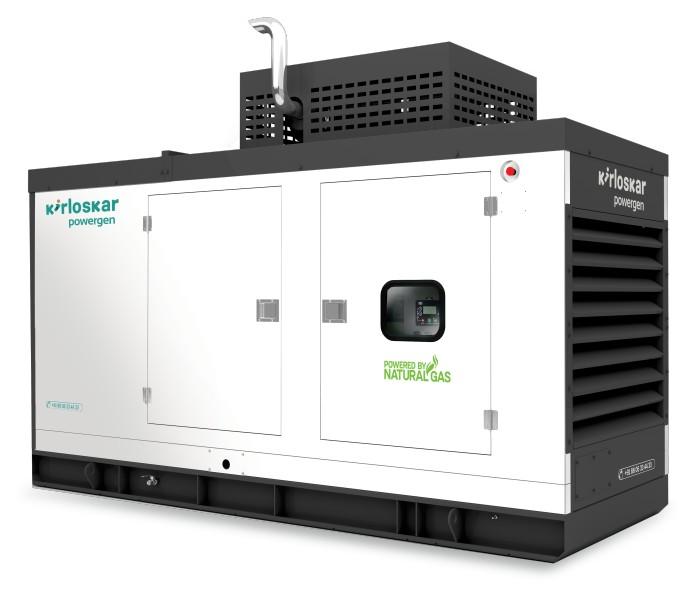
A natural gas genset typically operates quietly in the background, yet it plays a critical role in maintaining operational stability during power interruptions. From hospitals and manufacturing units to data centers and commercial facilities, dependable backup power remains essential. Still, reliability does not happen automatically. Even the most advanced natural gas generator requires consistent maintenance to operate efficiently over time. Regular maintenance helps prevent unexpected shutdowns, reduces operating costs, and protects long-term investment value. When handled correctly, a well-maintained genset delivers cleaner performance, steady output, and a longer service life. Understanding the right maintenance practices allows operators to keep their systems running smoothly while avoiding common issues that shorten equipment lifespan.
Why regular maintenance matters for gas gensets
Every operating hour adds stress to engine components, fuel systems, and electrical parts. Heat, vibration, and load cycles gradually affect performance if left unchecked. Planned maintenance helps detect early signs of wear, maintains fuel efficiency, and supports compliance with operational standards. For industries relying on natural gas gensets as a primary or backup power source, maintenance planning becomes a key operational responsibility rather than a reactive task. With that foundation in place, the following maintenance practices help extend equipment life and maintain consistent output.
Key maintenance practices that support long-term genset performance
-
Follow a structured maintenance schedule
A clear maintenance schedule forms the foundation of genset longevity. Daily visual checks help identify leaks, loose connections, or abnormal vibrations early. Weekly inspections ensure belts, hoses, and electrical connections remain secure. Monthly and quarterly servicing focuses on deeper mechanical and electrical components. Many gas generator manufacturers provide detailed maintenance charts tailored to engine capacity and operating conditions. Sticking to these guidelines reduces wear on internal components and ensures that minor issues never escalate into major failures.
-
Keep lubrication systems in top condition
Engine oil protects critical components from friction and heat. Over time, oil breaks down and collects contaminants that affect performance. Regular oil and filter changes maintain proper lubrication and prevent premature engine wear. Oil quality should always meet manufacturer specifications, especially for high-load natural gas gensets operating for extended hours. Monitoring oil pressure and temperature also helps detect internal issues early, allowing corrective action before damage occurs.
-
Maintain a clean and efficient cooling system
Excessive heat remains one of the most common reasons gensets fail early. Radiators, coolant lines, and heat exchangers require routine inspection and cleaning. Coolant levels must remain within recommended ranges, and the coolant itself should be replaced periodically to avoid corrosion. A clean cooling system ensures stable operating temperatures for any natural gas generator set, especially in environments with high ambient heat or dust.
-
Pay close attention to air and fuel systems
Clean air intake supports efficient combustion and stable output. Air filters should be inspected frequently and replaced when clogged. Restricted airflow strains the engine and increases fuel consumption. Fuel quality also matters. In systems such as a cng generator, regulators, valves, and pipelines must remain free of blockages or leaks. Routine inspection of the fuel supply system ensures consistent gas flow, which directly impacts performance and engine health.
-
Inspect electrical components and control panels
Electrical connections experience wear from vibration, heat, and continuous load cycles. Loose terminals or damaged wiring can cause voltage instability or shutdowns. Control panels, sensors, and safety systems should undergo periodic testing to confirm accurate readings and response times. Reliable electrical performance keeps a natural gas generator ready to start instantly when required, especially during critical power outages.
-
Run periodic load testing
Gensets that operate infrequently face specific challenges over time. Carbon buildup, moisture accumulation, and seal deterioration become more likely. Scheduled load testing allows the engine to reach proper operating temperatures and confirms that the genset can handle real-world demand. Load testing also validates alternator performance and fuel system response, helping operators maintain confidence in emergency readiness.
-
Use trained technicians for servicing
Skilled technicians understand the specific requirements of gas-based power systems. Professional servicing ensures correct calibration, accurate diagnostics, and proper replacement of worn components. Experienced EPC providers often integrate maintenance planning into system installation, simplifying long-term upkeep. Green Power International applies this expertise through its EPC-driven approach, integrating maintenance planning, system design, and long-term service support for gas-based power installations. This approach supports consistent performance across industrial and commercial projects.
-
Maintain detailed service records
Accurate documentation supports smarter maintenance decisions. Service logs track oil changes, part replacements, inspections, and test results. These records help identify performance patterns and anticipate component replacement before failure occurs. Consistent documentation also supports warranty compliance and resale value, particularly for high-capacity natural gas gensets used in commercial applications.
-
Plan for component upgrades and system audits
Technology advances gradually improve efficiency, emissions control, and monitoring capabilities. Periodic system audits identify opportunities to upgrade controllers, sensors, or filtration systems. Modern monitoring tools provide real-time performance data, enabling proactive maintenance rather than reactive repairs. Strategic upgrades extend system life while improving reliability and fuel efficiency.
A natural gas genset performs best when maintenance receives consistent attention. Structured schedules, proper lubrication, cooling efficiency, clean air and fuel systems, and skilled technical support all contribute to long-term reliability. These practices reduce downtime, control operating costs, and protect critical infrastructure. With thoughtful maintenance planning and expert guidance, organizations can ensure their power systems remain reliable for years, maximizing the value of their investment in gas-based power solutions.
Categories
- Arts & Entertainment
- Causes
- Crafts
- Dance
- Drinks
- Film
- Health
- Food Trends
- Gaming
- Home & Garden
- Health & Fitness
- Literature
- Music & Concerts
- Networking
- Other
- Party
- Religion
- Shopping
- Sports
- Theater
- Wellness
- Cryptocurrency
- NFT Trends
- Coin update
- Lifestyle
- Business & Finance
- Entrepreneurship
- Marketing Strategies
- Personal Finance
- Investment Tips
- Industry Trends
- Technology
- Gadgets & Reviews
- Software & Apps
- Cybersecurity
- Emerging Technologies
- How-To Guides
- Education
- Movie & TV Reviews
- Celebrity News
- Book Reviews
- Personal Development
- Motivation & Inspiration
- Life Hacks
- Community & Culture
- Local Events
- Cultural Insights
- Social Issues
- Interviews & Spotlights
- Volunteering & Activism
- Science & Nature
- Animal Behavior
- Beauty Tips
- Fashion Trends
- Product Reviews
- Food & Drink
- Cooking
- Restaurant Reviews
- Travel
- Arts & Crafts
- Photography
- Workout Routines
- Parenting Tips
- News
- Tips & Tricks
- Case Studies
- Product Reviews
- Interviews
- Opinion
- Research & Insights
- Events Coverage
- Personal Stories
- Announcements
- Trends & Predictions
- Guest Posts
Read More
"Customer Experience Platforms Market Size And Forecast by 2030 According to Data Bridge Market Research analyses that the Global Customer Experience Platforms Market which was USD 8777.41 Billion in 2022 is expected to reach USD 11558.17 Million by 2030 and is expected to undergo a CAGR of 3.50% during the forecast period of 2022 to 2030 The Customer Experience Platforms Market is...

Chipboard Packaging Market – Industry Trends and Forecast to 2029 Global Chipboard Packaging Market, By Category (Brown, White), Product (Folding Cartons, Rigid Boxes, Inserts and Dividers, Display Packaging, Specialized Packaging and Chipboard Pads), Application (Food and Beverage, Pharmaceuticals, Electronics, Jewellery, Cosmetics, Personal Care, Household and Decorative,...
What is Crypto Launchpad Development? Crypto Launchpad Development is the process of building a decentralized platform that enables blockchain startups to launch tokens, raise funds, and engage investors through secure models, such as IDO (Initial DEX Offering), ICO, or IEO. These launchpads are designed with multi-chain support, smart contract automation, KYC compliance, and high-level...
"Flavoured Salt Flakes Market Size And Forecast by 2028 Despite its promising outlook, the Flavoured Salt Flakes Market faces several challenges, including regulatory barriers, supply chain disruptions, and competitive pressures. However, the resilience of industry leaders and their focus on innovation and adaptability ensure the market’s sustained growth. By analyzing key growth drivers,...
"Executive Summary North America computer vision Market : CAGR Value Data Bridge Market Research analyses that the market is growing with the CAGR of 5.9% in the forecast period of 2021 to 2028 and expected to reach USD 4,394.90 million by 2028. Transparent, trustworthy and extensive market information and data included in this report will definitely help develop business and...
