Screw Manufacturing in India: Processes, Quality and Applications
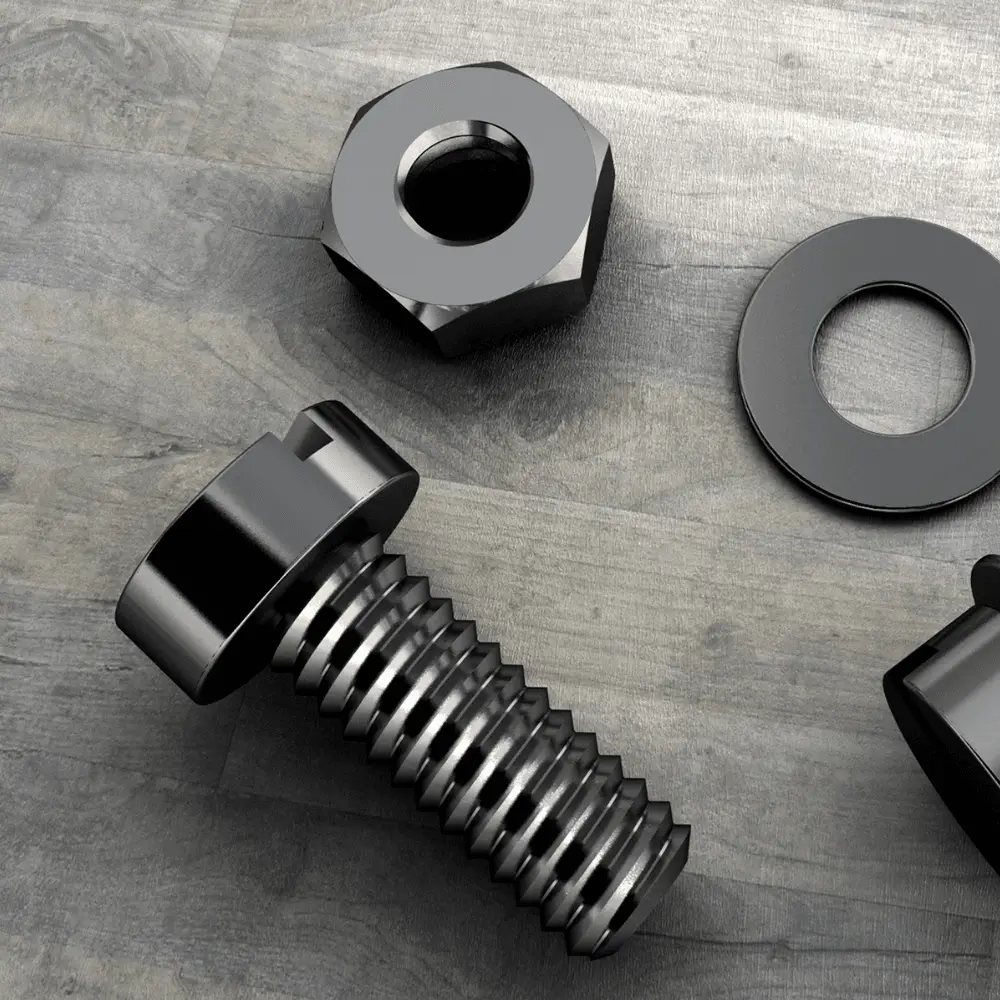
Screw manufacturing in India has grown into a highly organized, technology‑driven industry supporting construction, infrastructure, automotive and interior projects across the country and abroad. This article explains how Indian manufacturers produce high‑quality screws, what standards they follow, and how businesses and contractors can benefit from sourcing from India.
Screw Manufacturing In India For Modern Construction
Screw manufacturing in India for modern construction projects focuses not just on volume but on performance, durability and ease of installation on site. Reputed producers now design fasteners that can handle dynamic loads, thermal expansion and exposure to moisture, which is critical in roofing, façade systems and interior drywall partitions. For example, specialized drywall screws are engineered with sharp points, optimized threads and protective coatings so that installers can quickly fasten gypsum boards to metal or wooden frames without pre‑drilling. In parallel, machine and self‑tapping screws are made available in multiple diameters, head styles and drive types so that project engineers can match fasteners to design loads and substrate thickness. This combination of variety, engineering support and reliable supply has made India an attractive sourcing base for contractors, OEMs and interior solution providers working on both domestic and international projects.
How Does The Screw Manufacturing Process Work?
The screw manufacturing in india process in India usually starts with carefully selected wire rod, which is drawn to the required diameter and then cut into slugs ready for forming. These slugs go through cold forging or cold heading machines that shape the head and shank in multiple blows, ensuring consistent grain flow and higher strength compared with basic machining. Thread‑rolling machines then press hardened dies against the blank, displacing material to form precise threads rather than cutting them away, which improves fatigue resistance and surface finish. After forming, screws move through processes such as heat treatment to achieve the desired hardness and case depth, followed by surface treatments like zinc plating, phosphating or specialized anti‑corrosion coatings. Finally, quality control teams perform dimensional checks, torque and pull‑out tests, salt‑spray or corrosion tests and visual inspections before screws are packed, labeled and sent to distributors or end users.
Why Is Screw Manufacturing In India Cost‑effective?
Screw manufacturing in India is often cost‑effective because producers benefit from economies of scale, integrated facilities and access to competitively priced raw materials. The country is a major producer of steel and alloy metals, so many fastener plants can procure input material from nearby mills, reducing transportation and inventory costs. At the same time, investments in high‑speed, automated machinery allow factories to run large batches with minimal downtime, lowering labor cost per piece without sacrificing quality. Many manufacturers also maintain in‑house tool rooms and die‑making units, which shortens development cycles for new screw designs and reduces dependence on imported tooling. For buyers, this translates into competitive pricing for standard and custom screws, making India a preferred sourcing destination compared with several Western markets, especially when large volumes are required.
What Quality Standards Guide Screw Manufacturing In India?
Quality‑focused screw manufacturing in India is typically guided by international and domestic standards that define material grades, mechanical properties, threads and dimensions. Manufacturers that export fasteners usually align their products with standards like ISO for metric threads, ASTM or equivalent norms for mechanical performance and corrosion resistance, and other sector‑specific specifications when supplying automotive or engineering OEMs. To consistently meet these requirements, many plants operate dedicated laboratories equipped with hardness testers, tensile testing machines, coating‑thickness gauges and salt‑spray chambers. Engineers routinely conduct batch‑wise inspections, from checking wire chemistry to final piece counts, and document results as part of their quality management systems. In addition, customers increasingly ask for traceability, so cartons carry heat numbers or batch codes that allow defects to be isolated quickly in the unlikely event of a field issue.
Where Are Screws From India Used?
Screws manufactured in India serve a wide range of applications across infrastructure, consumer products and industrial equipment. In the construction and interiors segment, they are used to install roofing sheets, façade cladding, drywall partitions, ceiling channels and furniture fittings, often with specialized points and coatings for each use case. The automotive and engineering industries rely on precision machine screws, socket head screws and custom fasteners for assemblies where dimensional accuracy and mechanical performance are critical. Electrical, electronics and appliance manufacturers use smaller screws with pan, flat or countersunk heads to secure components in switchgear, control panels and consumer gadgets. Beyond these sectors, Indian producers supply fasteners to renewable energy projects, industrial sheds and export‑oriented OEMs that integrate the screws into finished products for global markets.
How To Choose Reliable Screw Manufacturers In India?
Choosing reliable screw manufacturers in India starts with evaluating their experience, certifications and range of products. Buyers should look for companies that run modern plants with automated forging, thread rolling and in‑house testing laboratories, since this infrastructure indicates the ability to maintain consistency over long production runs. It is also helpful to review whether the manufacturer supplies to reputed OEMs or exports to multiple countries, because such relationships usually demand strict quality and documentation standards. For project‑based requirements, technical support matters, so engineers must be available to recommend appropriate screw types, coatings and lengths for different substrates such as gypsum boards, metal studs or composite panels. Finally, sample evaluations, test certificates and clear communication about lead times and packaging can give additional confidence that the chosen supplier will perform reliably throughout the project lifecycle.
Conclusion
Screw manufacturing in India has transformed from small workshops into a sophisticated ecosystem of large, technology‑enabled plants that can handle both standard and customized requirements. With strengths in engineering talent, raw material availability and process automation, Indian producers can deliver a wide spectrum of screws that meet international expectations on strength, durability and corrosion resistance. These capabilities, combined with competitive pricing and strong export performance, make India a strategic sourcing hub for contractors, OEMs and distributors across diverse sectors. Whether you are planning a residential interior, an industrial installation or a large infrastructure project, partnering with established Indian manufacturers can ensure that your fastening solutions remain reliable over the long term. As demand for modern construction and engineered products grows, the role of India’s screw manufacturers will continue to expand in both domestic and global supply chains.
Categorie
- Arts & Entertainment
- Causes
- Crafts
- Dance
- Drinks
- Film
- Health
- Food Trends
- Gaming
- Home & Garden
- Health & Fitness
- Literature
- Music & Concerts
- Networking
- Altre informazioni
- Party
- Religion
- Shopping
- Sports
- Theater
- Wellness
- Cryptocurrency
- NFT Trends
- Coin update
- Lifestyle
- Business & Finance
- Entrepreneurship
- Marketing Strategies
- Personal Finance
- Investment Tips
- Industry Trends
- Technology
- Gadgets & Reviews
- Software & Apps
- Cybersecurity
- Emerging Technologies
- How-To Guides
- Formazione
- Movie & TV Reviews
- Celebrity News
- Book Reviews
- Personal Development
- Motivation & Inspiration
- Life Hacks
- Community & Culture
- Local Events
- Cultural Insights
- Social Issues
- Interviews & Spotlights
- Volunteering & Activism
- Science & Nature
- Animal Behavior
- Beauty Tips
- Fashion Trends
- Product Reviews
- Food & Drink
- Cooking
- Restaurant Reviews
- Travel
- Arts & Crafts
- Photography
- Workout Routines
- Parenting Tips
- News
- Tips & Tricks
- Case Studies
- Product Reviews
- Interviews
- Opinion
- Research & Insights
- Events Coverage
- Personal Stories
- Annunci
- Trends & Predictions
- Guest Posts
Leggi tutto
The mundan ceremony, also known as the first haircut or chudakarana, is one of the most cherished milestones in a baby’s life. As this sacred event holds deep cultural and spiritual significance, it deserves a celebration filled with love, laughter, and memories. One of the best ways to begin the festivities is by sending a beautiful mundan invitation card online free PDF to your family...

"Executive Summary Cast Polypropylene (CPP) Packaging Films Market : CAGR Value Data Bridge Market Research analyses that the cast polypropylene (CPP) packaging films market value, which was USD 1.41 billion in 2021, is expected to reach the value of USD 2.04 billion by 2029, at a CAGR of 4.70% during the forecast period. Market definition covered in the large scale Cast...
Key Drivers Impacting Executive Summary Ketogenic Diet Food Market Size and Share CAGR Value The global Ketogenic Diet Food Market size was valued at USD 15.67 million in 2025 and is expected to reach USD 34.33 million by 2033, at a CAGR of 10.30% during the forecast period. The market growth is largely driven by the rising consumer awareness about low-carb,...
"Executive Summary Middle East and Africa Lentiviral Vector Market Size and Share Forecast The Middle East and Africa Lentiviral Vector Market size was valued at USD 85.50 Million in 2025 and is expected to reach USD 282.24 Million by 2033, at a CAGR of 16.10% during the forecast period. All the data and information involved in this Middle East and...
Introduction The Edible Insects Market refers to the global industry focused on the farming, processing, distribution, and consumption of insects intended for human food and animal nutrition. Common edible insects include crickets, mealworms, grasshoppers, black soldier flies, ants, and beetles. These insects are consumed whole, processed into powders, or incorporated as...