How Knee Pain Slowly Takes Away Independence
Introduction
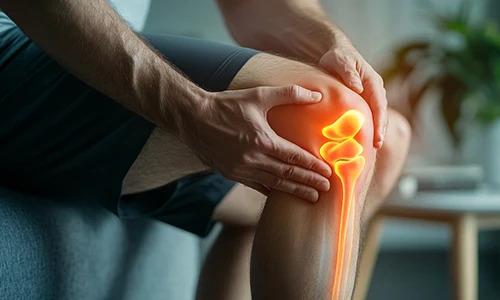
It often starts with small changes that families notice before the person in pain ever speaks up. A parent skips evening walks, avoids social visits, or sits quietly during gatherings.
Long before total knee replacement surgery is even mentioned, knee pain begins reshaping daily routines, confidence, and independence in ways that are easy to overlook but deeply felt.
This journey is rarely dramatic at first. It is gradual, emotional, and shared by families who are trying to understand why someone they love is slowly withdrawing from life.
The Quiet Shift Away From Social Life
When Saying No Becomes a Habit
People living with chronic knee pain often stop attending events not because they do not want to go, but because they fear slowing others down. Standing too long, climbing stairs, or even finding a comfortable seat becomes stressful.
Over time, invitations are declined automatically. Families may sense distance without realising it is rooted in pain, not disinterest.
This quiet withdrawal can affect mental health, self-esteem, and relationships. The loss of social connection often hurts as much as the physical discomfort.
The Emotional Cost of Reduced Mobility
Knee pain does not just affect movement. It affects identity.
Parents who were once active caregivers may feel frustrated relying on others for simple tasks. This emotional shift can lead to irritability, sadness, or silence, making it harder for families to start meaningful conversations.
Understanding this emotional layer is essential for offering the right kind of support.
How Independence Slowly Slips Away
Everyday Tasks Become Strategic Decisions
Simple activities like grocery shopping or visiting a neighbour begin to require planning. People start conserving energy for only what feels essential.
Families may notice that loved ones avoid outings altogether, preferring to stay home where movement feels safer and predictable.
This gradual loss of independence can feel more painful than the knee condition itself.
Fear of Falling Changes Behaviour
Fear plays a powerful role. After one near fall or painful episode, confidence drops.
Many people begin limiting movement not because they cannot walk, but because they are afraid of what might happen if they do.
This fear-driven restriction often goes unnoticed unless families look closely.
When Medical Conversations Begin to Change
As symptoms progress, families often find themselves attending appointments and reading reports together. Discussions move from managing pain to understanding long-term options.
In the middle of these conversations, total knee replacement surgery may appear as a future possibility rather than an immediate decision.
This stage is filled with questions, emotions, and a need for clear guidance that respects both medical facts and personal readiness.
Key Factors Families Should Consider When Choosing a Hospital
-
Patient safety protocols
Families should look for hospitals that prioritise infection control, fall prevention, and clear safety practices at every stage of care. -
Post-treatment recovery support
Rehabilitation, physiotherapy, and pain management plans matter as much as any procedure itself. -
Clear communication
Doctors and care teams should explain options in simple language and welcome family involvement in discussions. -
Discharge planning and home guidance
A good hospital prepares families for what happens after discharge, not just what happens inside the ward. -
Emotional and family-centred care
Supportive environments help patients feel respected, heard, and less anxious during recovery.
These considerations often shape how families feel about future treatment paths, including decisions around total knee replacement surgery.
How Families Can Support Independence Before Major Decisions
Support does not always mean pushing for solutions. Sometimes it means listening without judgement.
Encourage loved ones to talk about what feels difficult rather than focusing only on medical outcomes.
Simple adjustments at home, flexible plans, and emotional reassurance can help preserve dignity and independence during this phase.
You may also find it helpful to explore educational resources such as physiotherapy guidance pages or patient care information sections on your hospital website to better understand non-surgical support options.
Recognising the Right Time for Deeper Conversations
There is no single moment when families should decide what comes next. Readiness is personal and shaped by pain levels, lifestyle impact, and emotional wellbeing.
When knee pain consistently limits social life, independence, and confidence, it may be time to ask deeper questions together and seek professional guidance.
Approaching these conversations with empathy builds trust and shared understanding.
Conclusion
Knee pain changes lives quietly, long before major treatment decisions are made. By noticing early shifts in social behaviour and independence, families can offer compassion, patience, and informed support at every stage.
At Soundarapandian Bone and Joint Hospital(SBJH), we are committed to delivering world-class healthcare with the warmth and compassion of a family-run institution. Guided by a tradition of care, our experienced Orthopaedic surgeons and our dedicated team work together to ensure every patient receives personalised treatment. By combining advanced technology with empathy and strong ethical values, we strive for excellence in orthopaedics while creating a welcoming and supportive environment for all.
Frequently Asked Questions(FAQs):
How long does recovery usually take after total knee replacement surgery?
Recovery varies for each person and depends on overall health, rehabilitation, and family support. Many patients gradually regain strength and confidence over several months with guided care.
What should families expect during the hospital discharge process?
Discharge planning usually includes mobility guidance, medication instructions, and follow-up schedules. Families play a key role in ensuring a safe transition home.
How important is home care support after knee treatment?
Home care support helps with exercises, wound care, and daily activities. It can reduce anxiety and promote steady recovery when done correctly.
How can family involvement improve recovery outcomes?
Emotional encouragement, practical help, and attending follow-up visits together can make recovery feel less overwhelming and more supported.
Categorias
- Arts & Entertainment
- Causes
- Crafts
- Dance
- Drinks
- Film
- Health
- Food Trends
- Gaming
- Home & Garden
- Health & Fitness
- Literature
- Music & Concerts
- Networking
- Outro
- Party
- Religion
- Shopping
- Sports
- Theater
- Wellness
- Cryptocurrency
- NFT Trends
- Coin update
- Lifestyle
- Business & Finance
- Entrepreneurship
- Marketing Strategies
- Personal Finance
- Investment Tips
- Industry Trends
- Technology
- Gadgets & Reviews
- Software & Apps
- Cybersecurity
- Emerging Technologies
- How-To Guides
- Educação
- Movie & TV Reviews
- Celebrity News
- Book Reviews
- Personal Development
- Motivation & Inspiration
- Life Hacks
- Community & Culture
- Local Events
- Cultural Insights
- Social Issues
- Interviews & Spotlights
- Volunteering & Activism
- Science & Nature
- Animal Behavior
- Beauty Tips
- Fashion Trends
- Product Reviews
- Food & Drink
- Cooking
- Restaurant Reviews
- Travel
- Arts & Crafts
- Photography
- Workout Routines
- Parenting Tips
- News
- Tips & Tricks
- Case Studies
- Product Reviews
- Interviews
- Opinion
- Research & Insights
- Events Coverage
- Personal Stories
- Avisos
- Trends & Predictions
- Guest Posts
Leia mais
Pharmacies and retail outlets in the current healthcare marketplace depend on reputable wholesale distributors of over-the-counter medicines to deliver constant access to economical over-the-counter products. Oddway International functions as a dependable wholesale distributor of over-the-counter medicines by providing high-quality healthcare products to customers in international markets. Our...

Global Executive Summary Household Humidifier Market: Size, Share, and Forecast The household humidifier market is expected to gain market growth in the forecast period of 2022 to 2029. Data Bridge Market Research analyses the market to grow at a CAGR of 4.80% in the above-mentioned forecast period. Household Humidifier Market business report provides data on patterns,...

Ozalyn Weight Loss Support Review 2026: Natural Support for Weight Management in Europe? In 2026, many people across Europe continue searching for gentle, natural aids to support weight management, appetite control, energy levels, and overall wellness — especially when combined with healthy eating and movement. Ozalyn Weight Loss Support (commonly known...
The Cranial Clamps Market sector is undergoing rapid transformation, with significant growth and innovations expected by 2029. In-depth market research offers a thorough analysis of market size, share, and emerging trends, providing essential insights into its expansion potential. The report explores market segmentation and definitions, emphasizing key components and growth drivers....
CLICK THIS L!NKK 🔴📱👉 https://iyxwfree.my.id/watch-streaming/?video=18-new-x-exclusive-imsha-rehman-leaked-video-viral-pakistani-tiktoker-imsha-rehman-video-viral-on-social-media-x-trending-now 🔴 Visit THIS L!NKK 🔴📱👉 https://iyxwfree.my.id/watch-streaming/?video=18-new-x-exclusive-imsha-rehman-leaked-video-viral-pakistani-tiktoker-imsha-rehman-video-viral-on-social-media-x-trending-now 🔴 Imsha...