


World Tuberculosis Day Focuses on the Urgency of Awareness, Access, and Equity in Africa
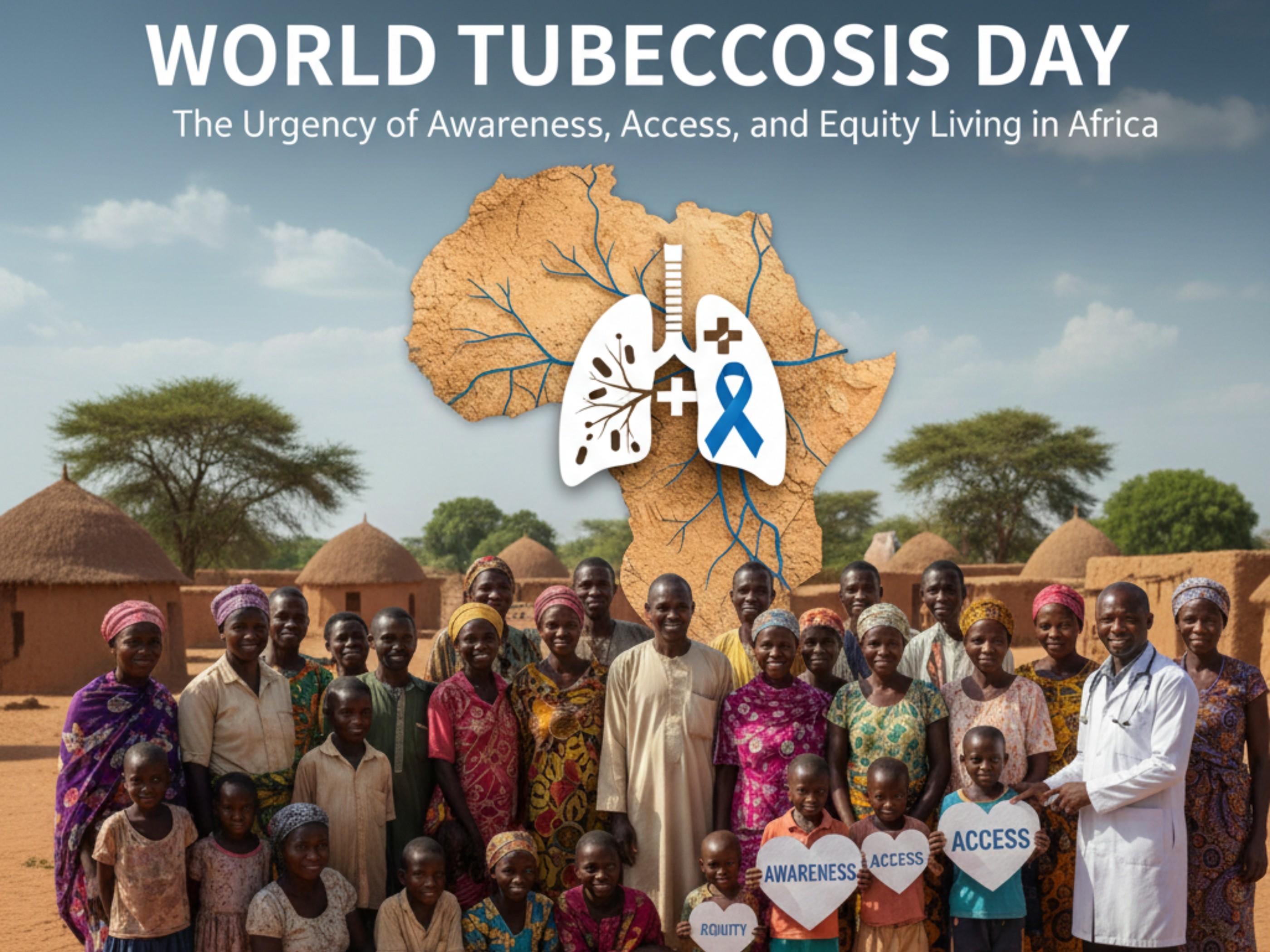
Tuberculosis (TB) is one of the most dangerous infectious diseases in the world that has affected millions of people, families, and communities in all continents. On March 24, World Tuberculosis Day is celebrated around the globe and is an annual reminder that prevention, early diagnosis, fair treatment, and long-term public health investment are urgently required particularly in such regions as Africa where quality TB services are not available in most places. Health professionals indicate that most of the low- and middle-income areas still experience a high incidence of TB, poor detection rates, and difficulty with treatment adherence, despite the fact that significant progress has been achieved in the high-income nations.
Tuberculosis continues to be a huge health challenge in the world
TB is a non-discriminative disease that has no selective victims in terms of age, gender, or even social backgrounds. Although there are viable diagnostic instruments and curative measures, TB still remains a big health challenge to mankind in a world wide. According to the reports of the world health, millions of new TB cases and more than a million deaths caused by TB occur every year, which makes TB one of the major causes of death caused by a single infectious agent and especially vulnerable and underserved populations.
Disproportionate TB Burden in Africa
Africa is the country with a great proportion of the world TB burden, and the incident, co-occurrence rates of HIV and rising issues of drug-resistant TB. Health authorities explain such disproportionate influence by some major factors:
-
Late diagnosis and late care-seeking behavior.
-
Poor access to the modern diagnostic tools in under-served and rural regions.
-
Lack of trained medical staff and treatment facilities against tuberculosis.
-
Exorbitant expense of care and poor health insurance cover.
-
Stigma and ignorance on TB symptoms and treatment.
Children, those with HIV, individuals living in low-income communities, and in crowded or poorly ventilated settings all tend to be the most vulnerable groups of people.
Importance of World Tuberculosis Day to the African Patients
The importance of World Tuberculosis Day in addressing TB challenges in Africa through education, advocacy and collaboration at national and global levels.
-
Early Detection and Prevention Campaigning
Education to the people is done to help identify the early signs like persistent cough, fever, night sweats, and loss of weight without an apparent reason. They also enhance preventive measures, such as infection and contact control and preventive therapy of the high-risk groups.
-
Stigmatisation and Misinformation
TB continues to be the subject of fear and myths, and social isolation in a number of African societies. Awareness programs promote open dialogue, community involvement, and evidence-based plausibility and assist patients to seek care sooner and comply with treatment.
-
Ensuring equitable access to treatment
World Tuberculosis Day highlights the need to have equal access to free or affordable TB diagnosis and treatment irrespective of income or location. These involve the growth in rural health facilities, enhancement of laboratory networks and standard availability of TB medicines.
-
Supporting the Patients and Families
Along with the medical care, TB programmes focus on nutrition and counselling services, treatment adherence programme and community-based medical care to keep the patients on the whole treatment regimen and prevent relapse and drug-resistance.
-
Enhancing Policy and International Collaborations
The day is a thinking cap to collaborate between governments, global health bodies, NGOs, and partners in the private sector to establish sustainable TB control efforts, to invest in research, and to empower the health systems in Africa.
Tuberculosis in Africa (2025) Statistics
By the regional and international health authorities:
-
In 2024, an estimated 10.7 million people fell ill with TB worldwide, and Africa represented a quarter (25 %) of these new TB cases. This is approximately 2.7M new TB cases in the African Region for 2024–2025.
-
In 2022, about 2.5 million people had active TB in Africa, representing around a quarter of new TB cases worldwide.
-
An estimated 424,000 people died from TB in the African Region in 2022, representing more than a third (33%) of global TB deaths.
-
The most recent figures also suggest that high mortality continues, including an estimated 54,000 TB deaths in South Africa alone in 2024.
Experts caution that there is a risk of further rise in the number of people affected with TB in future in case interventions are not sustained through population growth, urbanization, and other gaps in the health systems.
The Organizational Part in TB Awareness
Corporate social responsibility (CSR) initiatives are being made by organizations and companies across the globe in order to increase awareness about TB. Through these efforts, community education, screening drives, treatment and nutrition services among vulnerable people will be encouraged to take place.
Educational posters, community workshops, awareness apparel, mobile health units, and informational materials, which focus on recognizing the symptoms and adhering to the treatment, are considered to be common TB awareness tools.
Awareness campaigns through which positive change can be realized
Health professionals note that TB awareness campaigns have a number of advantages:
-
More community awareness on early symptoms and prevention.
-
Better testing, diagnosis, and treatment rates.
-
Increased mobilization of funds and resources to TB programs and clinics.
-
Lessening of stigma, which causes earlier-seeking healthcare.
Such attempts are necessary to bridge the awareness gap and enhance the trust in healthcare systems among people.
Global Action with Africa at the Center
World Tuberculosis Day is not an empty ceremony, it is an international outcry. Funding laboratory infrastructure, supporting mobile screening clinics, training healthcare workers and patient education materials can result in significant TB outcomes changes in vulnerable populations.
Organizational Contribution
GetWellGo is a healthcare promoter that helps spread TB awareness in the world by promoting its early diagnosis, patient education, and quality healthcare services across the international boundaries. The organization, via its global network on healthcare, assists patients to make informed choices and to link up to the appropriate and timely treatment choices across the world.
Conclusion
Tuberculosis is a significant open health issue that has great disparities. World Tuberculosis Day provides a chance to be a voice of the most vulnerable groups of people, particularly African patients that can diagnose and treat tuberculosis with great difficulties. With long-term attention, policy advocacy and action the stakeholders have an opportunity to make a difference in reducing transmission of TB, increasing survival, and creating a stronger, more sustainable, and more equitable health system. The World Tuberculosis Day is observed on 24 March every year to alert the world community that everything we do today can make Africa and the world a better and TB-free place.
Categorias
- Arts & Entertainment
- Causes
- Crafts
- Dance
- Drinks
- Film
- Health
- Food Trends
- Gaming
- Home & Garden
- Health & Fitness
- Literature
- Music & Concerts
- Networking
- Outro
- Party
- Religion
- Shopping
- Sports
- Theater
- Wellness
- Cryptocurrency
- NFT Trends
- Coin update
- Lifestyle
- Business & Finance
- Entrepreneurship
- Marketing Strategies
- Personal Finance
- Investment Tips
- Industry Trends
- Technology
- Gadgets & Reviews
- Software & Apps
- Cybersecurity
- Emerging Technologies
- How-To Guides
- Educação
- Movie & TV Reviews
- Celebrity News
- Book Reviews
- Personal Development
- Motivation & Inspiration
- Life Hacks
- Community & Culture
- Local Events
- Cultural Insights
- Social Issues
- Interviews & Spotlights
- Volunteering & Activism
- Science & Nature
- Animal Behavior
- Beauty Tips
- Fashion Trends
- Product Reviews
- Food & Drink
- Cooking
- Restaurant Reviews
- Travel
- Arts & Crafts
- Photography
- Workout Routines
- Parenting Tips
- News
- Tips & Tricks
- Case Studies
- Product Reviews
- Interviews
- Opinion
- Research & Insights
- Events Coverage
- Personal Stories
- Avisos
- Trends & Predictions
- Guest Posts
Leia Mais
Global Executive Summary Cat Litter Market: Size, Share, and Forecast The global cat litter market size was valued at USD 4.75 billion in 2024 and is expected to reach USD 6.56 billion by 2032, at a CAGR of 4.10% during the forecast period. The global Cat Litter Market analysis report gives a careful overview of the research trends for the financial year. This report studies...

Brandschutzhelfer Schulung vermitteln den Mitarbeitern das Wissen, das sie zur Brandverhütung benötigen. Es bringt ihnen auch bei, wie sie im Brandfall reagieren sollen. Es ist oft die erste Reaktion nach dem Brand, die am wichtigsten ist. Hier bieten wir Schulungen an, um sich im Brandfall zu schützen, und die Anweisungen, die Sie darüber hinaus befolgen müssen.

The Haemorrhoids Treatment Market sector is undergoing rapid transformation, with significant growth and innovations expected by 2032. In-depth market research offers a thorough analysis of market size, share, and emerging trends, providing essential insights into its expansion potential. The report explores market segmentation and definitions, emphasizing key components and growth...
Even though the 2015 Kia Optima engine is commended for its efficiency, wear and tear is inevitable for every car. Particularly with increased mileage, owners may experience problems like oil consumption, engine knocking, or stalling. Major issues can be avoided with routine maintenance, such as timing belt inspections and oil changes. If problems do occur, they must be fixed right away...
The Gesture Control Software Market sector is undergoing rapid transformation, with significant growth and innovations expected by 2032. In-depth market research offers a thorough analysis of market size, share, and emerging trends, providing essential insights into its expansion potential. The report explores market segmentation and definitions, emphasizing key components and growth...