


Electrical Calibration Services in Singapore: What Businesses Should Know
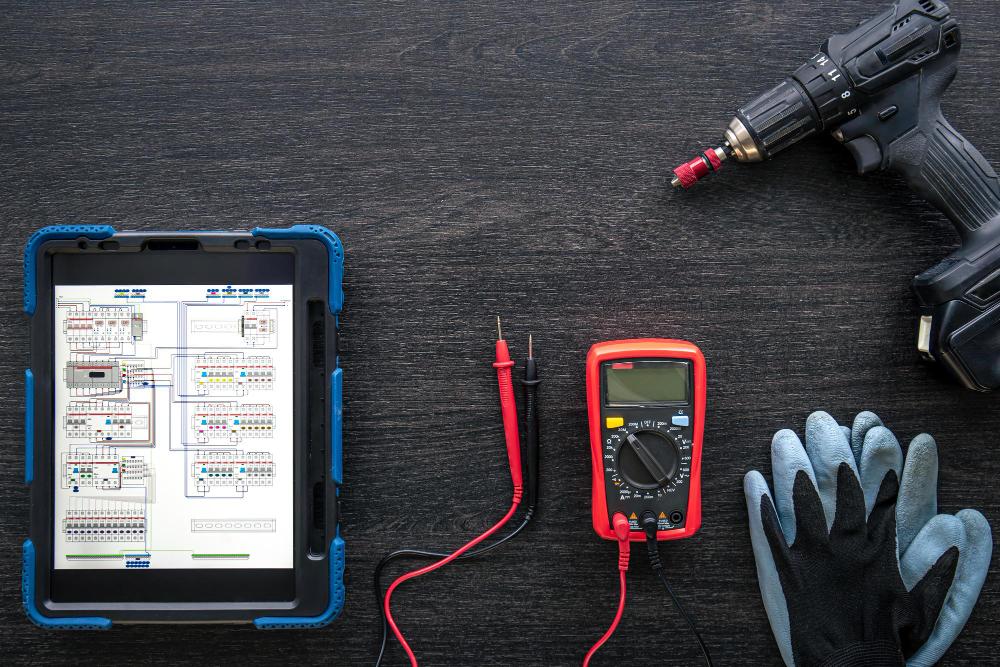
Running a business today means relying heavily on accurate electrical equipment. From factories and laboratories to offices and marine operations, Electrical Calibration plays a quiet but critical role in daily operations. Yet, many businesses in Singapore only think about calibration when something goes wrong.
In this guide, we break down everything Singapore businesses should know about electrical calibration services. We keep it simple, practical, and relevant to local standards and expectations.
What Is Electrical Calibration?
Electrical calibration is the process of checking and adjusting electrical instruments. It ensures they measure values accurately and consistently.
These instruments may include:
-
Multimeters
-
Power supplies
-
Oscilloscopes
-
Clamp meters
-
Insulation testers
-
Electrical sensors
Over time, even the best equipment can drift from its original accuracy. Calibration brings it back within acceptable limits.
Why Electrical Calibration Matters for Singapore Businesses
Singapore is known for strict safety and quality standards. Electrical calibration supports both.
Accuracy Drives Better Decisions
Accurate measurements lead to better operational decisions. Incorrect readings can cause:
-
Product defects
-
System inefficiencies
-
Safety risks
Calibration helps avoid costly errors.
Compliance With Local and International Standards
Many industries must meet ISO, IEC, or SAC-SINGLAS requirements. Regular calibration helps businesses stay compliant during audits.
Safety Comes First
Electrical faults can cause fires, injuries, or downtime. Calibration reduces risks by ensuring equipment works as expected.
Industries in Singapore That Rely on Electrical Calibration
Electrical calibration is not limited to one sector. It supports many industries across the island.
Manufacturing and Production
Factories rely on calibrated machines for quality control. Even small errors can affect large batches.
Marine and Offshore Operations
Ships and offshore platforms depend on accurate electrical systems. Calibration supports safety at sea.
Construction and Engineering
Electrical tools and testing devices must deliver reliable readings. This ensures safe installations and inspections.
Laboratories and Research Facilities
Precision is everything in labs. Calibration supports trustworthy test results.
Commercial Buildings and Smart Offices
Modern buildings use sensors and control systems. Calibration keeps them efficient and safe.
Common Electrical Instruments That Need Calibration
Most businesses already own equipment that requires calibration.
Typical examples include:
-
Voltage and current meters
-
Resistance testers
-
Frequency generators
-
Data loggers
-
Power analysers
If your equipment measures or controls electricity, it likely needs calibration.
How Often Should Electrical Calibration Be Done?
There is no one-size-fits-all answer. However, most experts suggest calibration at least once a year.
Factors That Affect Calibration Frequency
Consider calibrating more often if:
-
Equipment is used daily
-
Tools operate in harsh environments
-
Accuracy is mission-critical
-
Regulations demand tighter controls
Some industries require six-month or even quarterly checks.
Benefits of Professional Calibration Services
Outsourcing calibration brings several advantages.
Consistent Accuracy
Professional providers use traceable standards. This ensures consistent results every time.
Reduced Downtime
Scheduled calibration prevents sudden failures. That means fewer disruptions.
Expert Documentation
Certified reports support audits and inspections. They also protect your business legally.
Peace of Mind
You know your equipment performs as expected. That confidence matters.
Common Misconceptions About Electrical Calibration
Many businesses delay calibration due to misunderstandings.
“New Equipment Does Not Need Calibration”
Even new instruments can drift during shipping or installation.
“Calibration Is Only for Large Companies”
Small and medium businesses benefit just as much.
“It Is Too Expensive”
Calibration costs far less than equipment failure or recalls.
“One-Time Calibration Is Enough”
Accuracy changes over time. Regular checks are essential.
Understanding Calibration Services in Singapore
Singapore has a strong calibration ecosystem. Many providers offer both on-site and laboratory services.
On-Site Calibration
Ideal for large or fixed equipment. It reduces transportation risks.
Laboratory Calibration
Best for sensitive or portable instruments. Controlled environments improve accuracy.
Accredited Calibration
Look for providers aligned with SAC-SINGLAS or ISO standards. This adds credibility.
Choosing the Right Calibration Service Provider
Not all providers offer the same quality.
Key Factors to Consider
-
Industry experience
-
Accreditation and traceability
-
Clear documentation
-
Turnaround time
-
Local support
Always ask for sample reports before committing.
Electrical Calibration and Smart Systems in Singapore
Singapore is moving toward smart buildings and Industry 4.0. Calibration plays a growing role here.
Smart Buildings
Sensors control lighting, air conditioning, and energy use. Calibration keeps systems responsive.
Automation and IoT
Connected devices rely on accurate electrical inputs. Calibration supports system reliability.
Energy Efficiency Goals
Accurate readings help businesses reduce energy waste. This supports sustainability goals.
Practical Tips for Businesses
Staying on top of electrical calibration does not need to be complicated.
Simple Steps to Follow
-
Keep a calibration schedule
-
Label equipment with due dates
-
Store reports digitally
-
Train staff on basic checks
-
Review results regularly
These habits save time and money.
The Role of Documentation and Traceability
Calibration is not just about adjustment. Documentation matters.
Why Reports Are Important
Calibration certificates show:
-
Measurement results
-
Traceability to standards
-
Pass or fail status
They protect your business during audits or disputes.
What Happens During an Electrical Calibration?
The process is usually straightforward.
Typical Steps
-
Equipment inspection
-
Measurement against reference standards
-
Adjustment if needed
-
Final verification
-
Report issuance
Most calibrations are completed quickly.
Challenges Businesses Face With Calibration
Despite its importance, challenges exist.
Scheduling Conflicts
Busy operations can delay calibration. Planning helps.
Equipment Downtime
On-site services reduce downtime.
Understanding Results
Good providers explain findings in simple terms.
Expert Insights: Why Calibration Is a Long-Term Strategy
Industry experts agree that calibration is not a one-time task. It is part of long-term risk management.
Accurate equipment builds trust. It supports safety, quality, and growth. Businesses that invest early avoid future issues.
Future Trends in Electrical Calibration
Calibration services continue to evolve.
Digital Calibration Records
Cloud-based systems simplify tracking and audits.
Predictive Maintenance
Data helps predict when calibration is needed.
Increased Automation
Smart tools reduce human error.
These trends benefit forward-thinking businesses.
Conclusion: Staying Accurate in a Competitive Market
Electrical calibration may not be exciting, but it is essential. In Singapore’s regulated and fast-moving environment, accuracy matters.
Regular Calibration Services help businesses stay compliant, safe, and efficient. They reduce risks and support long-term success.
If you manage equipment that measures electricity, calibration should be part of your routine. Small steps today prevent big problems tomorrow.
Frequently Asked Questions
1. Is electrical calibration mandatory in Singapore?
It depends on your industry. Many regulated sectors require it for compliance.
2. Can calibration be done on-site?
Yes. Many providers offer on-site services for convenience.
3. How long does electrical calibration take?
Most instruments can be calibrated within a few hours.
4. What happens if equipment fails calibration?
It may need adjustment or repair before being used again.
Kategorien
- Arts & Entertainment
- Causes
- Crafts
- Dance
- Drinks
- Film
- Health
- Food Trends
- Gaming
- Home & Garden
- Health & Fitness
- Literature
- Music & Concerts
- Networking
- Andere
- Party
- Religion
- Shopping
- Sports
- Theater
- Wellness
- Cryptocurrency
- NFT Trends
- Coin update
- Lifestyle
- Business & Finance
- Entrepreneurship
- Marketing Strategies
- Personal Finance
- Investment Tips
- Industry Trends
- Technology
- Gadgets & Reviews
- Software & Apps
- Cybersecurity
- Emerging Technologies
- How-To Guides
- Ausbildung
- Movie & TV Reviews
- Celebrity News
- Book Reviews
- Personal Development
- Motivation & Inspiration
- Life Hacks
- Community & Culture
- Local Events
- Cultural Insights
- Social Issues
- Interviews & Spotlights
- Volunteering & Activism
- Science & Nature
- Animal Behavior
- Beauty Tips
- Fashion Trends
- Product Reviews
- Food & Drink
- Cooking
- Restaurant Reviews
- Travel
- Arts & Crafts
- Photography
- Workout Routines
- Parenting Tips
- News
- Tips & Tricks
- Case Studies
- Product Reviews
- Interviews
- Opinion
- Research & Insights
- Events Coverage
- Personal Stories
- Ankündigungen
- Trends & Predictions
- Guest Posts
Mehr lesen
Malware Analysis Market – Industry Trends and Forecast to 2029 Global Malware Analysis Market, By Component (Solution, Services), Deployment Model (On-Premises, Cloud), Organization Size (Large Enterprises, Small & Medium Enterprises), Industry Vertical (Aerospace & Defence, BFSI, Public Sector, Retail, Healthcare, IT & Telecom, Energy & Utilities, Manufacturing,...

Audio Signal Transformers Market Report: Emerging Trends and Growth Opportunities The Audio Signal Transformers Market is experiencing rapid growth as industries worldwide embrace innovative solutions. These advancements improve efficiency, enhance business performance, and create better user experiences. The increasing adoption of digital transformation strategies, coupled with...

The Biomaterial Testing Equipment Market sector is undergoing rapid transformation, with significant growth and innovations expected by 2032. In-depth market research offers a thorough analysis of market size, share, and emerging trends, providing essential insights into its expansion potential. The report explores market segmentation and definitions, emphasizing key components and...

Executive Summary Recycled Polyethylene Terephthalate Market : The recycled polyethylene terephthalate market (RPET) packaging market will reach at an estimated value of USD 21.56 billion and grow at a rate of 4.10% for the forecast period of 2021 to 2028. The data collected to structure a large scale Recycled Polyethylene Terephthalate Market report is based on the data...
The year 2026 marks a revolutionary shift in the ECG cables and lead wires market as "cable-free" technology moves from clinical trials to commercial reality. A dominant trend is the market introduction of the first-ever FDA-cleared synthesized 12-lead ECG systems that function without any physical cables. These devices use 3D signal capture to recreate a full diagnostic 12-lead representation...