


How to Train Employees on ISO 37001 Compliance in Hong Kong
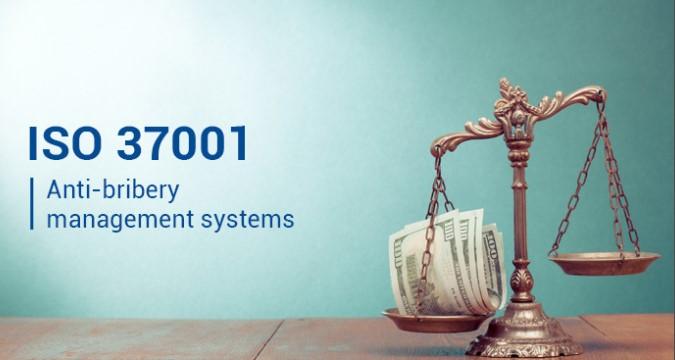
ISO 37001, the international standard for anti-bribery management systems, provides a robust framework for organisations to prevent, detect, and address bribery and corruption. For businesses in Hong Kong, where ethical business practices and corporate governance are increasingly under scrutiny, implementing and adhering to ISO 37001 is essential to ensure compliance with both local and international anti-bribery regulations. One of the most critical steps in achieving ISO 37001 certification is ensuring that employees are properly trained on the standard’s requirements and best practices.
This article explores how businesses in Hong Kong can effectively train employees on ISO 37001 compliance to build a culture of integrity and transparency within the organisation.
Steps to Train Employees on ISO 37001 Compliance
1. Start with Executive Leadership Buy-in
Training employees on ISO 37001 begins at the top. For the training program to be effective, it’s essential that senior management and leadership teams are fully committed to the anti-bribery initiatives outlined in the standard. In Hong Kong, where corporate governance and transparency are highly valued, leadership must set the tone by promoting a culture of integrity and ensuring that all levels of the organisation are aligned with the anti-bribery objectives.
Top management should actively participate in the training process, demonstrating their commitment to compliance and ethical behaviour. This will help employees understand the importance of ISO 37001 and its impact on the organisation’s reputation and long-term success.
2. Develop a Comprehensive Training Program
Once leadership is on board, the next step is to create a comprehensive training program tailored to the needs of your organization. The training should cover all aspects of ISO 37001, from the key principles and requirements to practical applications of anti-bribery measures in daily operations.
The training program should include the following elements:
-
Overview of ISO 37001: Employees should understand the purpose of the standard and the key components of an anti-bribery management system.
-
Anti-Bribery Policies: Detailed explanations of the organisation’s anti-bribery policies, including what constitutes bribery, prohibited conduct, and the reporting mechanisms available.
-
Risk Assessment and Due Diligence: Training on how to conduct risk assessments and due diligence on third parties to ensure that potential bribery risks are identified and mitigated.
-
Internal Controls and Reporting: Employees should be familiar with the internal controls in place to prevent bribery, as well as how to report suspicious activities safely and confidentially.
-
Case Studies and Scenarios: Real-life case studies or hypothetical scenarios that demonstrate how bribery situations can arise and how employees should respond.
3. Utilize a Variety of Training Methods
To ensure that the training is engaging and effective, use a combination of training methods that cater to different learning styles. In Hong Kong, where businesses operate in a dynamic, multicultural environment, it’s essential to provide training that is both informative and accessible to all employees, regardless of their background.
Consider using the following methods:
-
In-Person Workshops: Face-to-face training sessions provide an opportunity for interactive discussions and immediate feedback.
-
Online Training Modules: Digital learning platforms allow employees to complete training at their own pace, which is particularly useful for large organisations or those with remote workers.
-
E-Learning: Interactive e-learning modules with quizzes and assessments help reinforce key concepts and track employee progress.
-
Role-Playing and Simulations: Simulated bribery scenarios help employees practice applying ISO 37001 principles in real-world situations.
4. Focus on Practical Application
It’s not enough for employees to simply understand the theory behind ISO 37001; they must also know how to apply it in their daily work. Training should emphasise practical applications of anti-bribery measures, including:
-
How to handle gifts and hospitality in a way that complies with ISO 37001.
-
How to conduct due diligence on third parties, including suppliers, contractors, and business partners.
-
How to identify potential bribery risks in the workplace and report them through the proper channels.
By focusing on real-world scenarios and practical solutions, employees will be better equipped to handle situations that may arise in their roles.
5. Ensure Ongoing Training and Awareness
Compliance with ISO 37001 is not a one-time event; it requires continuous effort and improvement. To ensure that employees remain up to date with the latest developments in anti-bribery practices and maintain a high level of awareness, ongoing training is essential.
Consider the following strategies for maintaining a culture of compliance:
-
Refresher Courses: Regularly scheduled refresher courses to reinforce key concepts and keep employees updated on any changes to policies or regulations.
-
Internal Communication Campaigns: Use internal newsletters, emails, or posters to remind employees about the importance of anti-bribery measures and provide updates on any changes to the ISO 37001 system.
-
Feedback Mechanisms: Encourage employees to provide feedback on the training program and report any challenges they face in adhering to the anti-bribery policies.
6. Measure the Effectiveness of the Training
To ensure that the training program is effective, it’s important to measure its impact on employee knowledge and behaviour. Use assessments, surveys, and audits to evaluate whether employees understand the key principles of ISO 37001 and are applying them in their daily activities.
In Hong Kong, where regulatory compliance is critical for maintaining business integrity, measuring the effectiveness of the training helps organisations identify any gaps in knowledge or areas where additional training may be required. Regular evaluations also ensure that the training program evolves with changes in the business environment or regulatory landscape.
Conclusion
Training employees on ISO 37001 compliance is essential for businesses in Hong Kong looking to prevent bribery and corruption, enhance their corporate governance, and meet both local and international regulatory standards. By starting with executive leadership buy-in, developing a comprehensive training program, using a variety of training methods, and ensuring ongoing education, businesses can build a strong culture of compliance and integrity.
Ultimately, effective training not only helps employees understand and comply with ISO 37001 but also empowers them to make ethical decisions, mitigate risks, and contribute to the organisation’s long-term success.
Catégories
- Arts & Entertainment
- Causes
- Crafts
- Dance
- Drinks
- Film
- Health
- Food Trends
- Gaming
- Home & Garden
- Health & Fitness
- Literature
- Music & Concerts
- Networking
- Autre
- Party
- Religion
- Shopping
- Sports
- Theater
- Wellness
- Cryptocurrency
- NFT Trends
- Coin update
- Lifestyle
- Business & Finance
- Entrepreneurship
- Marketing Strategies
- Personal Finance
- Investment Tips
- Industry Trends
- Technology
- Gadgets & Reviews
- Software & Apps
- Cybersecurity
- Emerging Technologies
- How-To Guides
- Éducation
- Movie & TV Reviews
- Celebrity News
- Book Reviews
- Personal Development
- Motivation & Inspiration
- Life Hacks
- Community & Culture
- Local Events
- Cultural Insights
- Social Issues
- Interviews & Spotlights
- Volunteering & Activism
- Science & Nature
- Animal Behavior
- Beauty Tips
- Fashion Trends
- Product Reviews
- Food & Drink
- Cooking
- Restaurant Reviews
- Travel
- Arts & Crafts
- Photography
- Workout Routines
- Parenting Tips
- News
- Tips & Tricks
- Case Studies
- Product Reviews
- Interviews
- Opinion
- Research & Insights
- Events Coverage
- Personal Stories
- Communiqués
- Trends & Predictions
- Guest Posts
Lire la suite
" Global Litho Laminated Packaging Market Size, Share, and Trends Analysis Report—Industry Overview and Forecast to 2032 Executive Summary: The litho laminated packaging market size was valued at USD 7.46 billion in 2024 and is projected to reach USD 11.11 billion by 2032, with a CAGR of 5.10% during the forecast period of 2025 to 2032. Global Litho Laminated Packaging...

Hey there, fellow gamers! 👋 Are you ready to dive into a world where your imagination is the only limit? If you've been scrolling through social media lately, chances are you've stumbled upon countless posts about players showing off their incredible creations in Infinite Craft. But what exactly is this game that's got everyone talking, and why should you care? Buckle up, because we're...

Navigating through the hustle and bustle of New York City can be overwhelming, especially when you need to be somewhere on time and in style. Whether you’re heading to a corporate meeting, catching a flight, or planning a luxurious night out, a private car service in New York ensures a smooth, comfortable and stress-free experience. At Business Class Limo, we specialize in delivering...
"Porous Ceramic Market Size And Forecast by 2031 Despite its promising outlook, the Porous Ceramic Market faces several challenges, including regulatory barriers, supply chain disruptions, and competitive pressures. However, the resilience of industry leaders and their focus on innovation and adaptability ensure the market’s sustained growth. By analyzing key growth drivers,...
"Cell Permeabilization Market Size And Forecast by 2031 Insights into revenue analysis show a robust upward trajectory, with projections indicating sustained growth through detailed revenue forecasts. The accompanying graph highlights the market's expansion, underscoring its potential to generate substantial returns. The growing value of the Cell Permeabilization...
