


Sustainable Construction in Bangalore: A Guide to Eco-Friendly Materials and Practices
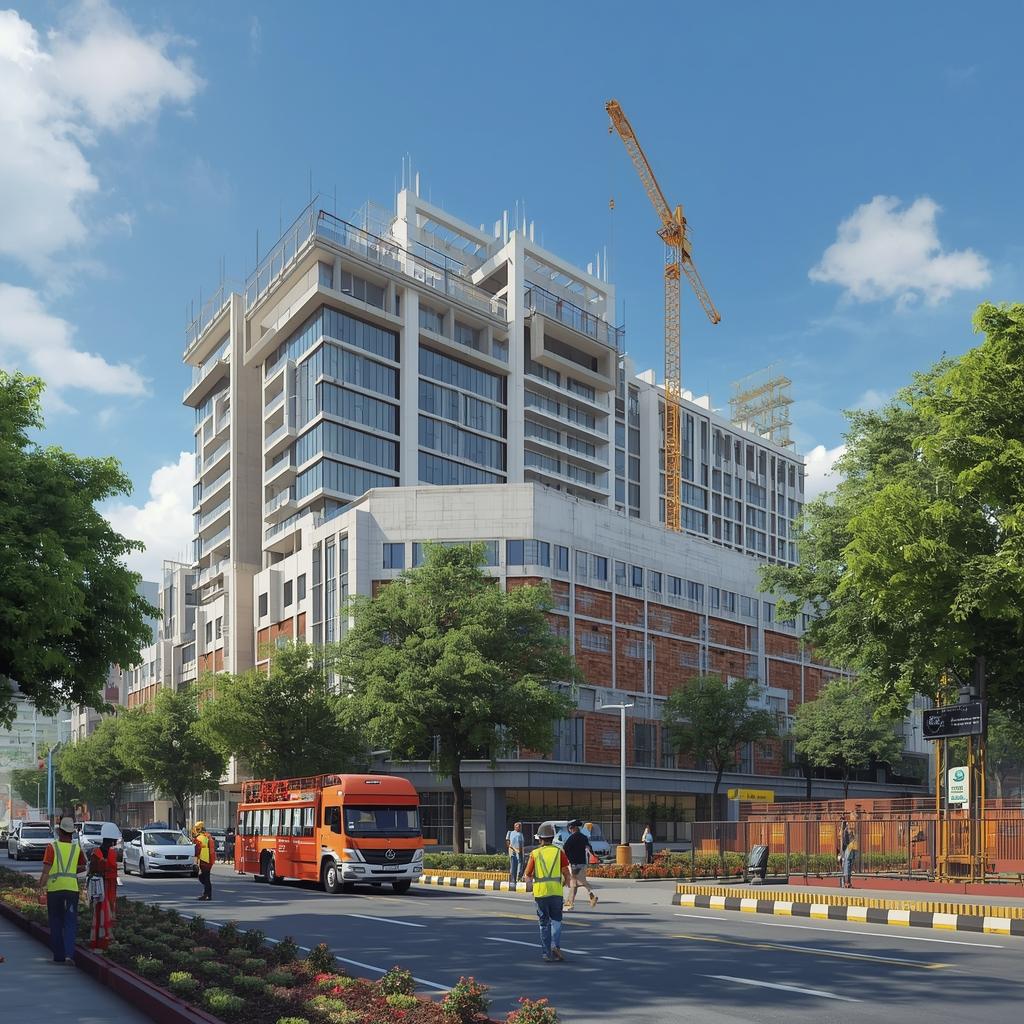
In India's garden city, where rapid urbanization meets growing environmental consciousness, sustainable construction has evolved from a niche preference to a mainstream imperative. Bangalore's unique climate challenges, coupled with its status as a technology and innovation hub, have positioned it at the forefront of India's green building revolution. Homeowners and construction companies in Bangalore are increasingly recognizing that building sustainably isn't just an environmental choice—it's a practical, economic, and health-conscious decision that pays dividends for years to come.
The shift toward eco-friendly construction in Bangalore represents a fundamental transformation in how we conceptualize, design, and build living spaces. From material selection to waste management, energy efficiency to water conservation, sustainable practices are redefining quality in the construction industry. This comprehensive guide explores the innovative materials and methods that forward-thinking construction firms in Bangalore are adopting to create homes that are not only beautiful and functional but also environmentally responsible and healthier for their inhabitants.
The Bangalore Context: Why Sustainable Construction Matters
Several factors make sustainable construction particularly relevant for Bangalore:
Climate Considerations:
-
Moderate temperatures with significant seasonal variation
-
Seasonal water scarcity issues
-
Urban heat island effect in densely built areas
-
Optimal conditions for passive solar design and natural ventilation
Environmental Pressures:
-
Depleting groundwater levels
-
Increasing energy demands
-
Growing waste management challenges
-
Loss of green cover due to urbanization
Economic Factors:
-
Rising energy costs making efficiency crucial
-
Government incentives for green buildings
-
Increasing property value for sustainable homes
-
Long-term operational cost savings
Eco-Friendly Building Materials Revolutionizing Bangalore Construction
1. Sustainable Foundation and Structural Materials
Fly Ash Bricks:
-
Made from industrial waste byproducts
-
Higher compressive strength than conventional bricks
-
Better thermal insulation properties
-
Reduced mortar consumption during construction
-
Lower embodied energy compared to traditional clay bricks
AAC Blocks (Autoclaved Aerated Concrete):
-
Excellent thermal insulation reducing cooling needs
-
Lightweight, reducing structural costs
-
Precision-sized for better finish and less mortar
-
Fire-resistant and pest-resistant
-
Utilizes less raw material per volume
Recycled Steel and Aluminum:
-
75-95% less energy required than virgin metal production
-
Equal strength and durability to new materials
-
Supported by established recycling infrastructure in Karnataka
-
Reduced environmental impact from mining
2. Green Insulation and Wall Systems
Natural Fiber Insulation:
-
Coconut coir and jute-based insulation
-
Excellent thermal and acoustic properties
-
Renewable and biodegradable
-
Non-toxic and safe for installation
Structural Insulated Panels (SIPs):
-
Factory-made panels with insulated cores
-
Rapid construction with minimal waste
-
Superior energy efficiency
-
Reduced on-site labor requirements
Rammed Earth Walls:
-
Utilizing local soil with minimal processing
-
Excellent thermal mass for temperature regulation
-
Unique aesthetic appeal
-
Completely recyclable at end of life
3. Sustainable Flooring Options
Bamboo Flooring:
-
Rapidly renewable resource (matures in 3-5 years)
-
Harder than many hardwoods
-
Natural aesthetic appeal
-
Carbon sequestration during growth
Reclaimed Wood:
-
Salvaged from old structures
-
Unique character and history
-
Prevents deforestation
-
No energy required for processing
Local Stone:
-
Reduced transportation emissions
-
Durable and long-lasting
-
Natural thermal properties
-
Low maintenance requirements
4. Eco-Friendly Roofing Solutions
Cool Roofs:
-
High-reflectance coatings and materials
-
Reduced heat absorption by 50-60%
-
Lower indoor temperatures by 2-5°C
-
Reduced air conditioning costs
Green Roofs:
-
Living vegetation layers
-
Stormwater management
-
Improved air quality
-
Additional insulation and habitat creation
Solar Roof Tiles:
-
Integrated photovoltaic technology
-
Dual function of protection and energy generation
-
Aesthetically pleasing alternative to panels
-
Long-term energy independence
Sustainable Construction Practices Adopted by Leading Bangalore Builders
1. Water Conservation Systems
Rainwater Harvesting:
-
Comprehensive catchment systems
-
Underground storage solutions
-
Integration with landscape irrigation
-
Compliance with Bangalore municipal requirements
Greywater Recycling:
-
Treatment systems for bathroom and laundry water
-
Reuse for flushing and irrigation
-
30-50% reduction in freshwater demand
-
Automated filtration and disinfection
Water-Efficient Fixtures:
-
Low-flow faucets and showerheads
-
Dual-flush toilets
-
Sensor-based taps in common areas
-
Smart irrigation controllers
2. Energy Efficiency Strategies
Passive Solar Design:
-
Optimal building orientation
-
Strategic window placement
-
Thermal mass implementation
-
Natural ventilation optimization
High-Performance Glazing:
-
Double-paned windows
-
Low-emissivity coatings
-
Argon gas fills for better insulation
-
Proper shading devices
Energy-Efficient Systems:
-
BEE 5-star rated appliances
-
LED lighting throughout
-
Solar water heating systems
-
Smart energy management systems
3. Waste Management During Construction
Construction Waste Recycling:
-
On-site sorting of waste materials
-
Concrete crushing for reuse
-
Timber recycling and repurposing
-
Partnership with certified recycling facilities
Material Optimization:
-
Precise quantity calculations
-
Prefabricated components to reduce waste
-
Modular design approaches
-
Digital modeling for accurate material takeoffs
Certification Systems and Government Initiatives
Green Building Certifications:
-
IGBC (Indian Green Building Council): Various rating systems for different building types
-
GRIHA (Green Rating for Integrated Habitat Assessment): National rating system
-
LEED India: International standards adapted for Indian conditions
Government Incentives:
-
Faster approval processes for green buildings
-
Property tax benefits in some municipalities
-
Additional FAR/FSI concessions
-
Subsidies for specific green technologies
For those seeking builders with proven expertise in sustainable construction, our guide to the Top 10 Construction Companies in Bangalore highlights firms with strong environmental credentials.
Benefits of Sustainable Construction for Bangalore Homeowners
Environmental Benefits:
-
Reduced carbon footprint
-
Conservation of natural resources
-
Improved air and water quality
-
Enhanced biodiversity support
Economic Advantages:
-
20-40% reduction in energy costs
-
30-50% reduction in water bills
-
Higher property resale value
-
Lower maintenance costs
Health and Comfort:
-
Better indoor air quality
-
Improved thermal comfort
-
Enhanced natural lighting
-
Reduced exposure to toxic materials
Implementing Sustainability: A Practical Approach for Homeowners
Planning Phase:
-
Engage architects and builders with green building experience
-
Conduct site analysis for optimal orientation
-
Set clear sustainability goals and budget
-
Research available incentives and certifications
Design Considerations:
-
Optimize building form for energy efficiency
-
Specify environmentally preferable materials
-
Plan for natural ventilation and daylighting
-
Incorporate water and energy monitoring systems
Construction Execution:
-
Implement waste management plan
-
Ensure proper installation of sustainable systems
-
Conduct regular site inspections for compliance
-
Document sustainable features for future reference
The Future of Sustainable Construction in Bangalore
Emerging trends that will shape tomorrow's green buildings:
Technological Innovations:
-
Building Integrated Photovoltaics (BIPV)
-
Smart glass that adjusts to light conditions
-
Phase change materials for temperature regulation
-
AI-powered building management systems
Material Science Advances:
-
Self-healing concrete
-
Transparent wood composites
-
Carbon-negative insulation materials
-
Bio-based polymers and composites
Regulatory Developments:
-
Mandatory green building codes
-
Net-zero energy building requirements
-
Circular economy principles in construction
-
Enhanced water conservation mandates
Building a Greener Future, One Home at a Time
The movement toward sustainable construction in Bangalore represents more than just an architectural trend—it's a necessary evolution in how we build and live. The city's construction companies in Bangalore have a crucial role to play in this transformation, balancing growth with responsibility, innovation with practicality, and immediate needs with long-term sustainability.
At Relgrow, we believe that the future of construction is inherently green. We're committed to connecting homeowners with construction firms in Bangalore who share this vision and possess the expertise to turn sustainable principles into practical, beautiful, and high-performing homes. These forward-thinking builders understand that true quality extends beyond aesthetics to encompass environmental performance, resource efficiency, and occupant well-being.
Κατηγορίες
- Arts & Entertainment
- Causes
- Crafts
- Dance
- Drinks
- Film
- Health
- Food Trends
- Gaming
- Home & Garden
- Health & Fitness
- Literature
- Music & Concerts
- Networking
- άλλο
- Party
- Religion
- Shopping
- Sports
- Theater
- Wellness
- Cryptocurrency
- NFT Trends
- Coin update
- Lifestyle
- Business & Finance
- Entrepreneurship
- Marketing Strategies
- Personal Finance
- Investment Tips
- Industry Trends
- Technology
- Gadgets & Reviews
- Software & Apps
- Cybersecurity
- Emerging Technologies
- How-To Guides
- Εκπαίδευση
- Movie & TV Reviews
- Celebrity News
- Book Reviews
- Personal Development
- Motivation & Inspiration
- Life Hacks
- Community & Culture
- Local Events
- Cultural Insights
- Social Issues
- Interviews & Spotlights
- Volunteering & Activism
- Science & Nature
- Animal Behavior
- Beauty Tips
- Fashion Trends
- Product Reviews
- Food & Drink
- Cooking
- Restaurant Reviews
- Travel
- Arts & Crafts
- Photography
- Workout Routines
- Parenting Tips
- News
- Tips & Tricks
- Case Studies
- Product Reviews
- Interviews
- Opinion
- Research & Insights
- Events Coverage
- Personal Stories
- Ανακοινώσεις
- Trends & Predictions
- Guest Posts
Διαβάζω περισσότερα
Artificial Intelligence (AI) continues to shape the way businesses operate, individuals work, and technology evolves. From enhancing communication to simplifying complex tasks, AI tools are more powerful and accessible than ever. As we look into 2025, there are many AI alternatives to Crushon AI that provide unique solutions for everything from customer support to content creation. In this...

Dry Ice Blasting: A Precision Cleaning Solution for Complex Industries When it comes to cleaning, modern industries need accuracy, speed, and compliance. Older techniques like chemical scrubbing, water jetting, and sandblasting can cause more issues than they fix, from prolonged downtime to environmental issues. Dry ice blasting is a better option in this situation. Dry ice blasting, sometimes...
Experience relief from chronic shoulder joint pain with Dr Saumil Patel, a best shoulder joint replacement surgeon in Ahmedabad Specializing in advanced, minimally invasive hip replacement surgery, Dr Patel helps patients regain mobility and improve their quality of life Discover personalized care, faster recovery, and long lasting results with one of Ahmedabad’s best shoulder joint...

Emergency Plumbing Myths Debunked: What Baulkham Hills Residents Need to Know If you have a plumbing problem, you need a professional you can trust to fix it quickly and right. Anu Plumbing has great emergency plumber Carlingford that will get your plumbing problems fixed quickly and properly. Our skilled plumbers are available 24 hours a day, seven days a week, so you can call us whenever...

"Executive Summary Oyster Mushroom Market : The global oyster mushroom market size was valued at USD 56.13 billion in 2023, is projected to reach USD 102.37 billion by 2031, with a CAGR of 7.8% during the forecast period 2024 to 2031. The base year for calculation in Oyster Mushroom Market business report is taken while the historic year which will tell how the market...
