The Power of Visual Branding in Your Business Plan Documents

A well-written business plan is essential for securing investors, guiding strategy, and presenting your company’s vision with clarity. However, beyond the data, charts, and words, visual branding plays a transformative role in shaping how your business plan is perceived. Visual branding encompasses your color scheme, typography, logo placement, imagery, and layout—all of which work together to convey your brand’s personality, professionalism, and purpose. When designed thoughtfully, these visual elements can turn a standard business plan into a powerful communication tool that inspires confidence and interest.
Why Visual Branding Matters in Business Plans
In today’s competitive landscape, investors and stakeholders often review dozens of business plans before deciding where to invest their attention and money. A document that looks visually cohesive and branded immediately signals credibility and attention to detail. Humans are visual creatures—research shows that people process visuals 60,000 times faster than text. This means that before a reader even delves into your content, they’re already forming opinions based on what they see.
Visual branding sets the tone for your business identity. It communicates professionalism, consistency, and confidence, all crucial traits investors look for. A well-branded plan also helps differentiate your company from competitors who might offer similar products or services but fail to create an emotional or memorable connection. In essence, your visual branding acts as a silent ambassador, telling your story before a single word is read.
Building Brand Recognition Through Design
Your business plan is not just a financial document—it’s a reflection of your company’s brand identity. Consistency across visual elements reinforces brand recognition. When your pitch deck, website, marketing materials, and business plan share a unified design language, it creates a seamless brand experience. This consistency builds trust, as it shows potential investors that your company values organization and brand coherence.
Incorporating your logo, brand colors, and fonts into your business plan reinforces your identity. Use your logo sparingly but strategically, such as on the cover page and header sections. Maintain your brand’s color palette to highlight key sections or data points without overwhelming the reader. Similarly, consistent typography enhances readability and reinforces your brand’s visual rhythm. These small touches can make your plan feel like an extension of your company’s ethos rather than a detached report.
Balancing Aesthetics with Functionality
While strong visual branding is essential, it should never compromise readability or clarity. The goal is to enhance understanding, not distract from it. For instance, overly decorative fonts or bold background colors can make text difficult to read, diminishing the impact of your content. Effective visual branding finds harmony between style and substance.
Use design to guide readers through your plan. Headings, subheadings, bullet points, and white space improve the visual hierarchy, helping readers absorb key information quickly. Strategic use of infographics, icons, and charts can simplify complex ideas and make data more engaging. A well-designed financial chart or market analysis graphic can communicate insights far more effectively than paragraphs of text.
The Psychological Impact of Color and Imagery
Color psychology plays an influential role in how your brand is perceived. Different colors evoke different emotions—blue conveys trust and professionalism, green suggests growth and sustainability, while red communicates energy and urgency. Selecting the right palette for your business plan can subtly influence how investors feel about your brand. For instance, a tech startup might use cool blues and greys to convey innovation and reliability, while a wellness brand may lean towards calming greens and neutrals.
Imagery also contributes to emotional resonance. High-quality visuals such as product photos, lifestyle imagery, or conceptual illustrations help investors visualize your brand’s world. Avoid stock photos that feel generic; instead, use imagery that reflects your unique offering and target market. Authentic visuals make your plan feel grounded and relatable.
Enhancing Credibility Through Professional Design
A business plan that looks polished and professionally branded immediately elevates your credibility. Investors associate clean design with competence and reliability. It shows that you care about presentation—a reflection of how you likely care about execution. Conversely, poorly formatted or inconsistent visuals can make even strong ideas appear unrefined or untrustworthy.
This is where professional help can make a substantial difference. Many entrepreneurs choose to collaborate with Business Plan Creation Services in Dubai, where experts blend strategic content with high-quality design. These services understand how to balance brand aesthetics with investor expectations, ensuring the final document feels both appealing and persuasive. A professionally designed business plan is an investment in perception—often the first impression you make on key stakeholders.
Visual Storytelling and Emotional Connection
Beyond aesthetics, visual branding is a storytelling tool. Every color, image, and layout choice contributes to the narrative you’re telling about your business. Investors are not only evaluating numbers; they’re also assessing vision and values. Through visual cues, you can subtly convey your brand’s mission, innovation, and energy. For example, minimalist designs can communicate sophistication, while bold visuals suggest creativity and confidence.
Visual storytelling allows readers to connect emotionally with your brand. It transforms static data into a journey—guiding investors through your problem statement, solution, and growth potential in a visually intuitive way. When your visuals and message align, they reinforce each other, making your business plan more memorable and persuasive.
Conclusion: Branding Beyond the Surface
Visual branding in business plan documents is more than a design exercise—it’s a strategic communication tool. A cohesive and well-designed plan not only captures attention but also enhances comprehension and emotional engagement. It tells investors that you are intentional, organized, and invested in your brand’s future.
By combining strong content with a refined visual identity, you can turn a conventional document into a compelling narrative of your business vision. Whether you design it in-house or through expert partners such as Business Plan Creation Services in Dubai, a visually branded business plan can significantly strengthen your first impression and increase your chances of success.
Categorías
- Arts & Entertainment
- Causes
- Crafts
- Dance
- Drinks
- Film
- Health
- Food Trends
- Gaming
- Home & Garden
- Health & Fitness
- Literature
- Music & Concerts
- Networking
- Other
- Party
- Religion
- Shopping
- Sports
- Theater
- Wellness
- Cryptocurrency
- NFT Trends
- Coin update
- Lifestyle
- Business & Finance
- Entrepreneurship
- Marketing Strategies
- Personal Finance
- Investment Tips
- Industry Trends
- Technology
- Gadgets & Reviews
- Software & Apps
- Cybersecurity
- Emerging Technologies
- How-To Guides
- Educación
- Movie & TV Reviews
- Celebrity News
- Book Reviews
- Personal Development
- Motivation & Inspiration
- Life Hacks
- Community & Culture
- Local Events
- Cultural Insights
- Social Issues
- Interviews & Spotlights
- Volunteering & Activism
- Science & Nature
- Animal Behavior
- Beauty Tips
- Fashion Trends
- Product Reviews
- Food & Drink
- Cooking
- Restaurant Reviews
- Travel
- Arts & Crafts
- Photography
- Workout Routines
- Parenting Tips
- News
- Tips & Tricks
- Case Studies
- Product Reviews
- Interviews
- Opinion
- Research & Insights
- Events Coverage
- Personal Stories
- Anuncios
- Trends & Predictions
- Guest Posts
Read More
The Textile Home Decor Market is undergoing a significant transformation, with industry forecasts predicting rapid expansion and cutting-edge technological innovations by 2032. As businesses continue to embrace digital advancements and strategic shifts, the sector is set to experience unprecedented growth, driven by rising demand, market expansion, and evolving industry trends. A...

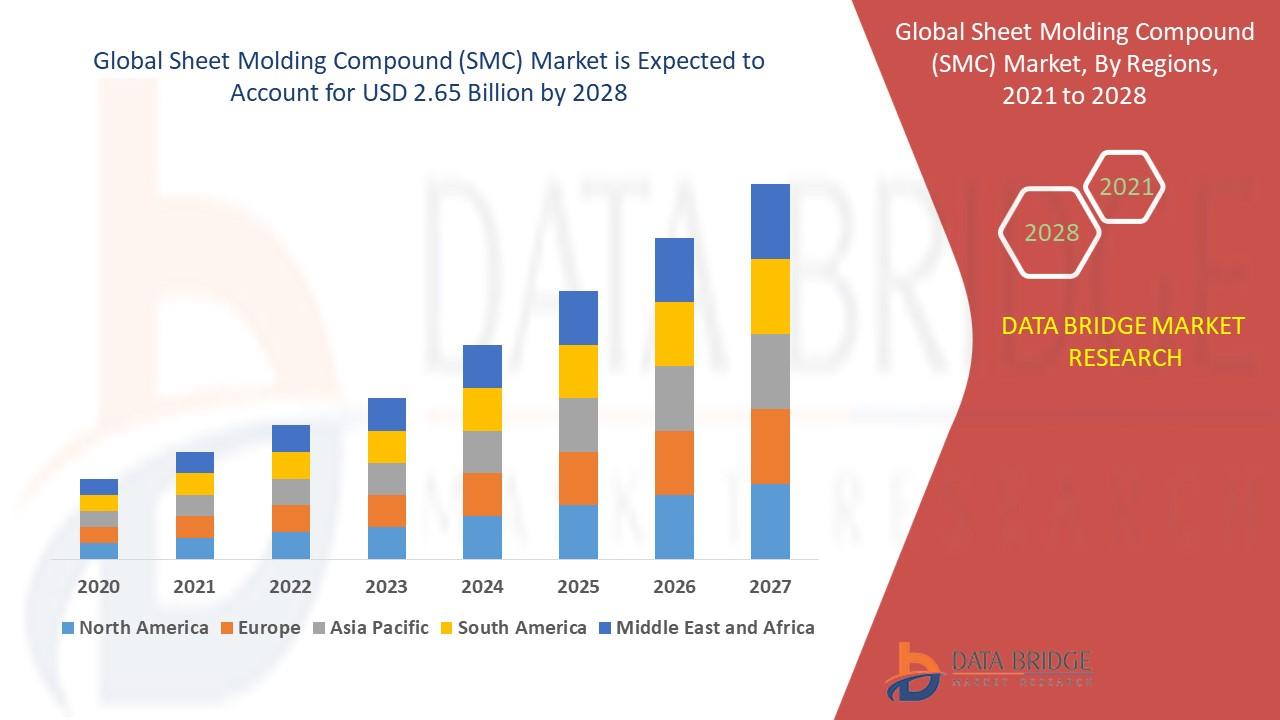
"Sheet Molding Compound (SMC) Market Size And Forecast by 2028 The Composite Molding Market is experiencing rapid transformation, driven by technological advancements, evolving consumer preferences, and industry innovations. According to top market research companies, businesses across sectors are leveraging in-depth insights to navigate challenges and capitalize on emerging...
Hire taxi in Bilaspur at best price. Book local and outstation cab in Bilaspur. Confirmed cab, Real time driver details. Price starts ₹1400
"Executive Summary Synthetic Compressor Oil Market: Growth Trends and Share Breakdown CAGR Value Data Bridge Market Research analyses that the synthetic compressor oil market will witness a CAGR of 6.5% for the forecast period of 2022-2029 and likely to reach 6,922.5 million in 2029. While preparing this professional and exhaustive Synthetic Compressor Oil Market research report, customer...

A comprehensive Data Center Storage Market research report delivers up-to-date data and insights, enabling businesses to strategize effectively in a rapidly evolving business landscape. Utilizing advanced analytical methods such as SWOT analysis and Porter's Five Forces, this report rigorously assesses both primary and secondary research findings. Additionally, the Data Center...